



May 8, 2026
How Iconic Furniture Designers Continue to Shape Contemporary Luxury Interiors
The world of luxury interiors is constantly evolving, yet some design philosophies remain timeless. Modern homeowners and collectors are increasingly drawn toward furniture that combines artistic heritage with practical sophistication. Rather than following temporary trends, today’s interiors often celebrate craftsmanship, authenticity, and historical influence. This growing appreciation for collectible furniture has brought legendary twentieth-century designers back into the spotlight, inspiring a new generation of sophisticated living spaces.
Among the most influential movements in interior history is Mid-Century Design. Defined by clean lines, functional forms, and understated elegance, this design movement transformed modern interiors forever. Mid-century furniture introduced the idea that beauty and practicality could exist together in perfect harmony. Decades later, these principles still dominate luxury spaces because they create interiors that feel balanced, timeless, and effortlessly refined. Designers continue to incorporate Mid-Century elements into modern homes because of their versatility and enduring visual appeal.
The international admiration for Brazilian Design has also expanded significantly in recent years. Brazilian modernist furniture became famous for combining sculptural forms with natural warmth. Designers embraced rich hardwoods, curved silhouettes, and handcrafted techniques that reflected the country’s artistic culture and tropical environment. This unique approach introduced a softer interpretation of modernism, creating interiors that feel elegant while remaining welcoming and comfortable. Today, Brazilian-inspired furniture continues to influence luxury interiors around the world.
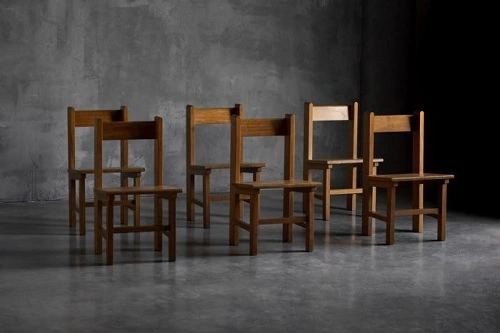
The legacy of Pierre Chapo represents the highest level of artisanal craftsmanship. Chapo’s furniture focused on solid wood construction, visible joinery, and geometric simplicity. His work demonstrated that structure itself could become a decorative element. Collectors admire his designs because they combine durability with architectural beauty, creating pieces that remain relevant across generations. In contemporary interiors, Chapo-inspired furniture adds warmth, authenticity, and timeless character.
Another visionary who transformed modern living spaces is Charlotte Perriand. Her innovative philosophy centered on functionality, simplicity, and human-centered design. Perriand believed furniture should enhance daily life while maintaining elegance and comfort. Her influence remains highly visible in minimalist interiors where clean forms and adaptable spaces define modern sophistication. By prioritizing both practicality and aesthetics, she helped establish the foundation for contemporary interior design.
The increasing popularity of Functional Art has further changed the way furniture is perceived in luxury spaces. Modern collectors now view furniture as more than practical objects; they see it as a form of artistic expression. Sculptural seating, handcrafted tables, and statement lighting pieces are appreciated for their emotional and visual impact as much as their functionality. This shift has elevated collectible furniture into the same cultural category as fine art and architecture.
Few designers captured industrial innovation as successfully as Jean Prouvé. Combining engineering knowledge with artistic vision, Prouvé created furniture that emphasized structural efficiency and visual clarity. His use of metal frameworks paired with wooden surfaces established a distinctive industrial-modern aesthetic that continues to inspire contemporary designers. Luxury interiors influenced by Prouvé often feature minimalist structures, clean architectural forms, and refined material contrasts.
Italian creativity also remains deeply influential in modern furniture culture. The work of Afra & Tobia Scarpa introduced a sophisticated balance between craftsmanship and comfort. Their furniture designs reflected exceptional attention to detail, proportion, and material quality. By combining architectural precision with soft visual warmth, the Scarpa duo created timeless pieces that continue to define elegant interiors today.
Another major contributor to contemporary furniture culture is Mario Bellini, whose bold approach revolutionized modern seating. Bellini introduced softer shapes and more relaxed forms into luxury interiors, proving that comfort and innovation could coexist beautifully. His work challenged rigid modernist traditions and introduced a more inviting aesthetic into contemporary design.