


July 31, 2026
Best Laparoscopic Surgeon in Borivali for Hernia Care
Why Choosing the Best Laparoscopic surgeon in Borivali Matters
When it comes to surgical treatment, selecting the Best Laparoscopic surgeon in Borivali can significantly improve your recovery, comfort, and long-term health. Laparoscopic surgery, also known as minimally invasive surgery, has transformed the way many abdominal conditions are treated. Compared to traditional open surgery, this advanced technique uses small incisions, specialized instruments, and a high-definition camera to perform precise procedures with minimal tissue damage.
Patients today prefer laparoscopic surgery because it offers reduced pain, shorter hospital stays, quicker recovery, and minimal scarring. Whether you need treatment for gallstones, appendicitis, hernia, or other abdominal conditions, choosing an experienced specialist ensures the best possible outcome.
What Is Laparoscopic Surgery?
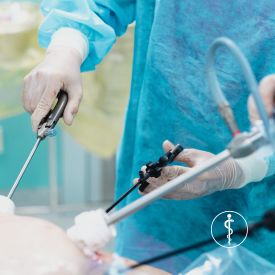
Laparoscopic surgery is a modern surgical technique performed through tiny incisions instead of one large cut. A laparoscope, which is a thin tube with a camera attached, allows the surgeon to view internal organs on a monitor while operating with specialized instruments.
This minimally invasive approach is commonly used for:
- Hernia repair
- Gallbladder removal
- Appendix surgery
- Gastrointestinal procedures
- Diagnostic abdominal surgery
- Certain gynecological procedures
The growing popularity of laparoscopic surgery is due to its effectiveness and faster recovery compared to conventional surgical methods.
Benefits of Choosing the Best Laparoscopic surgeon in Borivali
Selecting a highly qualified laparoscopic specialist offers several important advantages.
Smaller Incisions
Tiny incisions reduce trauma to the body, leading to less pain after surgery and improved cosmetic results.
Faster Recovery
Patients usually return to daily activities much sooner than with traditional open surgery.
Lower Risk of Infection
Smaller wounds reduce the possibility of infections and other post-operative complications.
Less Blood Loss
Advanced laparoscopic techniques help minimize bleeding during surgery.
Short Hospital Stay
Many laparoscopic procedures allow patients to return home within one or two days, depending on their condition.
Understanding Hernia and Its Treatment
A hernia develops when an internal organ or tissue pushes through a weakened area of muscle or connective tissue. It may appear as a visible bulge and can cause pain, discomfort, or pressure, especially while lifting heavy objects, coughing, or standing for long periods.
Ignoring a hernia can lead to complications such as obstruction or strangulation, making early diagnosis extremely important.
This is why consulting the Best Hernia Surgeon in Borivali is essential for timely evaluation and treatment.
Types of Hernias
Several types of hernias require surgical treatment.
Inguinal Hernia
The most common type, occurring in the groin area.
Umbilical Hernia
Develops near the belly button and affects both adults and children.
Incisional Hernia
Occurs through a previous surgical incision.
Femoral Hernia
Found near the upper thigh and more common in women.
Hiatal Hernia
Occurs when part of the stomach moves through the diaphragm into the chest.
An experienced surgeon will accurately diagnose the condition and recommend the most suitable treatment option.
Why Choose the Best Hernia Surgeon in Borivali
Hernia surgery requires precision, expertise, and personalized treatment planning. An experienced surgeon understands that every patient is different and creates an individualized surgical approach based on the hernia type, size, and overall health.
A skilled specialist offers:
- Accurate diagnosis
- Advanced laparoscopic repair techniques
- Mesh and non-mesh repair options
- Safe anesthesia management
- Comprehensive post-operative care
- Long-term follow-up
These factors contribute to successful surgery with a lower chance of recurrence.
Conditions Commonly Treated Using Laparoscopic Surgery
Besides hernia repair, laparoscopic surgery is widely used for several abdominal conditions.
Gallbladder Stones
Gallbladder removal through laparoscopy is considered the gold standard due to minimal pain and rapid recovery.
Appendicitis
Emergency appendix removal can often be completed using minimally invasive techniques.
Gastrointestinal Disorders
Certain stomach and intestinal conditions benefit from laparoscopic procedures.
Diagnostic Procedures
When imaging tests cannot clearly identify abdominal problems, laparoscopy provides a direct view of internal organs.
What to Expect Before Surgery
Preparation plays an important role in ensuring a successful procedure.
Patients usually undergo:
- Physical examination
- Blood investigations
- Imaging studies
- Medical history review
- Medication assessment
- Pre-anesthesia evaluation
Following all medical instructions before surgery helps reduce risks and supports smoother recovery.
Recovery After Laparoscopic Surgery
Recovery is generally much faster than with traditional surgery.
Most patients experience:
- Mild discomfort for a few days
- Early walking within hours
- Quick return to light activities
- Small surgical scars
- Reduced need for pain medication
Doctors usually recommend avoiding heavy lifting for several weeks while the body heals completely.
Qualities to Look for in a Laparoscopic Surgeon
Finding the right surgeon involves more than checking qualifications alone.
Look for a specialist who offers:
- Extensive surgical experience
- Expertise in minimally invasive procedures
- Modern surgical equipment
- Strong patient communication
- Personalized treatment plans
- High standards of safety
- Comprehensive aftercare
These qualities improve both surgical success and patient confidence.
Importance of Early Hernia Treatment
Many patients delay treatment because the symptoms appear mild initially. However, untreated hernias often become larger over time and may eventually require more complex surgery.
Early intervention provides several benefits:
- Smaller hernia repair
- Faster recovery
- Lower complication rates
- Reduced discomfort
- Better long-term outcomes
Seeking medical advice promptly helps prevent emergency situations.
Lifestyle Tips After Hernia Surgery
Following healthy habits after surgery supports long-term recovery.
Some useful recommendations include:
- Maintain a healthy body weight
- Eat a balanced, fiber-rich diet
- Stay hydrated
- Avoid smoking
- Prevent constipation
- Follow exercise guidelines provided by your surgeon
- Avoid lifting heavy objects until fully healed
These simple measures help reduce pressure on the repaired area and lower the risk of recurrence.
Conclusion
Choosing the Best Laparoscopic surgeon in Borivali ensures access to advanced surgical techniques, personalized care, and faster recovery. Minimally invasive surgery has revolutionized abdominal procedures by reducing pain, shortening hospital stays, and helping patients return to normal life more quickly.
Similarly, consulting the Best Hernia Surgeon in Borivali at the earliest signs of a hernia can prevent complications and provide effective, long-lasting treatment. With expert evaluation, modern laparoscopic technology, and comprehensive post-operative care, patients can achieve excellent surgical outcomes while enjoying a safer and smoother recovery. Prioritizing experience, expertise, and patient-focused care is the key to making informed healthcare decisions and maintaining long-term well-being.