




August 26, 2026
What Is Later Living Construction and Why Is It Becoming More Popular?
Later living construction focuses on creating homes and communities that meet the changing needs of older adults. These developments go beyond providing a place to live. They combine comfort, accessibility, safety, social spaces, and practical services to create an environment where residents can enjoy a better quality of life.
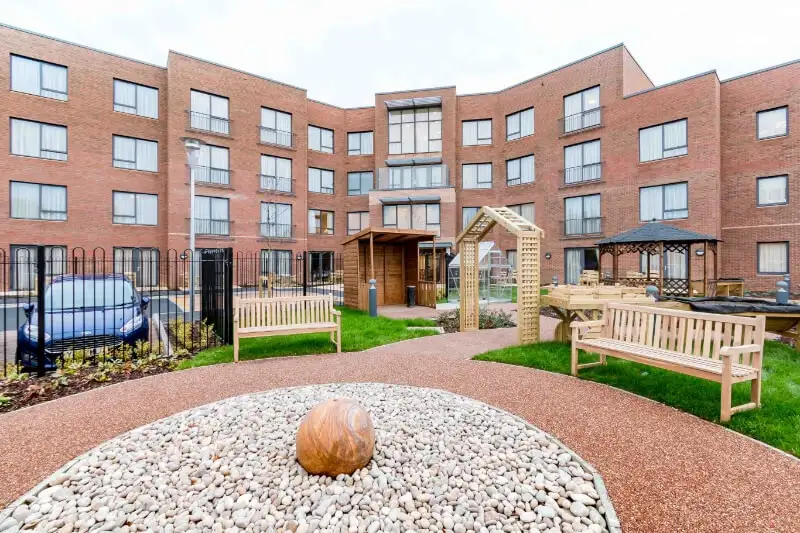
Modern later living construction often includes apartments, retirement communities, assisted living spaces, communal lounges, gardens, dining areas, fitness facilities, and wellness spaces. Designers consider how residents may use the building today and how their needs could change in the future.
Unlike traditional housing, these developments place greater emphasis on accessibility and long-term usability. Features such as step-free entrances, wider doorways, accessible bathrooms, lifts, handrails, and well-planned lighting can make everyday activities easier and safer.
Why Is Demand for Later Living Homes Increasing?
The ageing population is one of the main reasons demand for later living communities continues to grow. More people are reaching retirement age, and many want housing that provides greater convenience without sacrificing independence.
Older adults also have changing expectations. Many no longer want to move into a traditional care setting unless they require intensive support. Instead, they prefer attractive homes that offer independence, community, and access to support when needed.
Later living developments can answer this demand. They provide purpose-built accommodation that allows residents to maintain their lifestyles while benefiting from services and facilities designed around their needs.
This changing preference has encouraged developers, architects, and construction companies to invest more heavily in specialist later living projects.
How Does Later Living Construction Support Independent Living?
Independence remains a major priority for many older residents. A well-designed later living community can help people remain independent for longer.
Thoughtful design makes a significant difference. Developers can include open-plan layouts, accessible kitchens, walk-in showers, non-slip flooring, easy-to-use fittings, and clear circulation routes. These features reduce unnecessary obstacles without making the home feel clinical.
Technology can also support independent living. Smart lighting, security systems, emergency communication devices, temperature controls, and other connected features can provide convenience and reassurance.
The goal is not to restrict residents. Instead, effective later living construction creates an environment that supports independence while making additional assistance available when required.
Why Are Community Spaces Important in Later Living Developments?
Social connection plays an important role in creating successful later living communities. Designers therefore include shared spaces where residents can meet, relax, and participate in activities.
Communal lounges, cafés, libraries, gardens, activity rooms, and dining areas can encourage residents to interact naturally. These spaces can host exercise classes, hobby groups, social events, and community gatherings.
Good design also considers how residents move between private and shared areas. Attractive communal spaces located close to residential areas can encourage participation without making residents feel pressured.
A strong sense of community can make a development feel more like a neighbourhood than an institution. This approach represents one of the biggest changes in modern later living design.
How Does Sustainability Influence Later Living Construction?
Sustainability has become another important consideration. Developers increasingly look for ways to reduce energy consumption, operating costs, and environmental impact.
Energy-efficient windows, insulation, efficient heating systems, LED lighting, renewable energy technologies, and water-saving fixtures can improve building performance. Good natural ventilation and daylighting can also create comfortable indoor environments while reducing reliance on artificial lighting.
Sustainable landscaping can further improve the development. Green spaces, native planting, outdoor seating, and well-designed pathways can create attractive surroundings while supporting biodiversity.
Sustainability benefits residents as well as developers. Efficient buildings can help control running costs and create more comfortable living environments.
What Role Does Technology Play in Modern Later Living Homes?
Technology continues to change the way later living communities operate. Modern developments can incorporate smart systems that improve comfort, communication, security, and energy management.
Residents may use simple controls to adjust lighting, heating, blinds, or other home features. Security systems can provide controlled access and help protect residents without creating an intrusive atmosphere.
Technology can also support care teams. Digital monitoring and communication systems may help staff respond efficiently when residents need assistance, depending on the services offered within a particular development.
However, technology should support people rather than replace personal interaction. The best developments combine useful technology with thoughtful design and strong community services.
Why Is Care Home Renovation Also Becoming Important?
Not every operator can start a completely new development. Many existing care properties need updates to meet modern expectations. This has increased interest in care home renovation projects.
Renovation can transform outdated interiors, improve accessibility, upgrade facilities, and create more attractive communal areas. Operators can modernise bedrooms, bathrooms, kitchens, dining rooms, reception areas, gardens, and activity spaces.
A successful renovation should focus on residents as well as appearance. Contractors need to consider safety, accessibility, comfort, durability, and day-to-day operations.
Careful planning also helps reduce disruption. Construction teams can phase work so that residents and staff can continue using essential areas wherever possible.
How Can Renovation Improve Existing Care Homes?
A well-planned care home renovation can address many common problems in older buildings. Outdated layouts may create unnecessary movement, narrow corridors may restrict accessibility, and poor lighting can affect comfort and visibility.
Renovation provides an opportunity to solve these issues. Contractors can improve circulation, introduce accessible bathrooms, upgrade flooring, increase natural light, and create more welcoming communal areas.
Modern finishes can also make a major difference. Comfortable furniture, attractive colours, quality materials, and thoughtful interior design can create a residential atmosphere rather than an institutional one.
Renovation can therefore improve both the appearance and functionality of a property.
What Should Developers Consider When Planning Later Living Construction?
Developers need to understand the people who will use the building before construction begins. Resident needs should influence everything from the overall layout to individual room details.
Accessibility should remain a priority throughout the design process. Developers should also consider future flexibility. Rooms and communal areas may need to accommodate changing needs, so adaptable layouts can provide long-term value.
Operational requirements also matter. Staff need efficient workspaces, practical storage, appropriate service routes, and easy access to important facilities.
At the same time, developers should create attractive environments. Later living homes should feel welcoming, modern, and comfortable rather than overly clinical.
How Can Care Home Builders Deliver Better Later Living Projects?
Experienced Care Home Builders understand that later living projects require a different approach from standard residential construction. They must balance aesthetics, functionality, accessibility, safety, durability, and operational requirements.
Professional builders work closely with architects, designers, developers, operators, and other specialists to turn a project brief into a practical building. Strong communication throughout the process can help control costs, manage schedules, and address potential issues early.
Choosing an experienced construction partner can also help operators understand the practical challenges involved in refurbishment and new-build projects.
What Does the Future Hold for Later Living Construction?
The future of later living construction looks increasingly focused on independence, community, wellness, sustainability, and flexible support. Residents want attractive homes where they can maintain their routines while enjoying convenient services and social opportunities.
Developers are responding by creating communities that feel more residential and less institutional. At the same time, existing care homes can use care home renovation to modernise their facilities and improve resident experiences.
As expectations continue to evolve, construction companies will need to combine practical expertise with thoughtful design. Care Home Builders can play an important role by delivering spaces that support comfort, dignity, safety, and independence.
Ultimately, later living construction is becoming more popular because it responds to a clear need: older adults want homes that adapt to their lifestyles rather than forcing them to adapt to outdated buildings. By combining accessible design, modern facilities, community spaces, sustainability, and supportive technology, later living developments can create better places to live today and well into the future.