


September 3, 2026
What Are the Most Common Dishwasher Problems?
A dishwasher that does not start can quickly disrupt your kitchen routine. Several issues can cause this problem, including a faulty power connection, a tripped circuit breaker, a damaged door latch, or an incorrect cycle setting. Start by checking whether the dishwasher receives power. Make sure the circuit breaker remains on and the power cord connects properly.
The door must also close completely before most dishwashers begin a cycle. If the latch does not engage, the appliance may appear completely inactive. A damaged control panel or internal electronic component can create the same symptom.
If basic checks do not solve the problem, professional Dishwasher Repair Charleston services can help identify the underlying electrical or mechanical fault safely.
Why Is My Dishwasher Not Cleaning Dishes Properly?
Poor cleaning is one of the most common dishwasher complaints. You may notice food particles, grease, or stains remaining on dishes after a full cycle. Overloading the racks can prevent water and detergent from reaching every item.
A clogged spray arm can also reduce cleaning performance. Food debris and mineral deposits can block the small spray holes and limit water pressure. Remove the spray arms when possible and clean them carefully.
You should also inspect the dishwasher filter. A dirty filter traps food particles but can eventually restrict water circulation. Cleaning the filter regularly helps maintain better washing performance.
Using the correct detergent and loading dishes according to the manufacturer’s instructions can also improve results.
Why Does My Dishwasher Leave Water Inside?
Standing water at the bottom of a dishwasher usually points to a drainage problem. A clogged filter, blocked drain hose, or obstructed garbage disposal connection can prevent wastewater from leaving the appliance.
First, turn off the dishwasher and inspect the filter for food debris. Clean it thoroughly and check the area around the drain for visible blockages. If your dishwasher connects to a garbage disposal, make sure the disposal drains properly.
A damaged drain pump can also cause standing water. Because the pump involves internal components, a professional technician should inspect it when simple cleaning does not fix the issue.
Prompt attention matters because stagnant water can produce unpleasant odors and may contribute to further appliance problems.
Why Is My Dishwasher Leaking?
A leaking dishwasher should never be ignored. Water can damage cabinets, flooring, and surrounding appliances if you allow the problem to continue.
Common causes include a worn door gasket, loose hose connection, cracked components, excessive detergent, or an improperly leveled dishwasher. Check the door seal for cracks, gaps, or signs of deterioration. You can also inspect visible hoses for loose connections.
Using too much detergent can create excessive suds, which may force water out through the door. Always follow the detergent manufacturer’s recommended amount.
If water continues to leak after these basic checks, contact a qualified appliance technician. Professional Appliance Repair Charleston services can inspect the dishwasher and locate the source of the leak.
Why Is My Dishwasher Making Strange Noises?
Dishwashers normally produce some sound during operation, but unusual noises can indicate a mechanical issue. Grinding, rattling, buzzing, or squealing sounds may come from different components.
A rattling noise can occur when utensils or dishes move during the cycle. Check the racks and make sure nothing touches the spray arms. A grinding noise may indicate debris around the pump or motor.
Squealing can sometimes indicate wear in a motor or pump component. A persistent buzzing sound may also point to an electrical or mechanical problem.
Avoid ignoring unusual sounds. Early inspection can help prevent a small issue from becoming a more expensive repair.
Why Is My Dishwasher Not Drying Dishes?
If dishes remain wet after the cycle, several factors may contribute to the problem. Some modern dishwashers use different drying technologies, so results can vary by model.
A malfunctioning heating element can reduce drying performance in models that use heated drying. A faulty thermostat or control component may cause a similar problem.
Plastic containers often remain wetter than glass or ceramic dishes because plastic does not retain heat as efficiently. Selecting the appropriate drying setting can improve results.
If everything appears normal but dishes consistently remain wet, a technician can test the heating and control components.
Why Does My Dishwasher Smell Bad?
A bad smell often develops when food particles, grease, and residue accumulate inside the dishwasher. The filter represents one of the first areas you should inspect.
Remove and clean the filter according to the manufacturer’s instructions. Wipe around the door gasket and check the bottom of the tub for trapped food. Running an appropriate cleaning cycle can also help remove buildup.
You should also avoid leaving dirty dishes inside the dishwasher for extended periods. Scraping excess food from plates before loading them can reduce the amount of debris entering the appliance.
Persistent odors may indicate a drainage issue. If wastewater does not drain completely, professional inspection can identify the cause.
Why Is My Dishwasher Not Filling With Water?
A dishwasher needs an adequate water supply to clean dishes effectively. If the appliance does not fill, check whether the water supply valve is open. A kinked inlet hose can also restrict water flow.
A faulty inlet valve may prevent the dishwasher from receiving water even when the household supply works correctly. Problems with the float switch or electronic controls can create similar symptoms.
Because these components require electrical and mechanical testing, professional service can provide a safer and more accurate diagnosis.
Why Is My Dishwasher Using Too Much Water?
Modern dishwashers generally use carefully controlled amounts of water. If you notice unusual water consumption, a malfunctioning component may be responsible.
A faulty water inlet valve, sensor, or control system can interfere with the normal filling process. A leaking component can also increase water usage.
Do not attempt to replace internal parts without confirming the cause. Incorrect repairs can create additional leaks or electrical problems. A qualified technician can test the appliance and determine whether a component requires adjustment or replacement.
How Can You Prevent Common Dishwasher Problems?
Regular maintenance can reduce many common dishwasher problems. Clean the filter regularly, inspect the spray arms, and keep the door gasket free from food residue. Avoid overloading the racks and use the correct detergent for your appliance.
Run cleaning cycles when recommended by the manufacturer, especially if you notice grease or mineral buildup. Check hoses and visible connections periodically for signs of wear.
You should also address small changes in performance early. Strange sounds, slow drainage, unusual odors, or incomplete cleaning can signal developing problems.
CASPI Home Service can be a useful option when routine maintenance does not resolve a dishwasher issue. Professional technicians can diagnose the problem and recommend the appropriate repair rather than relying on guesswork.
When Should You Call a Dishwasher Repair Professional?
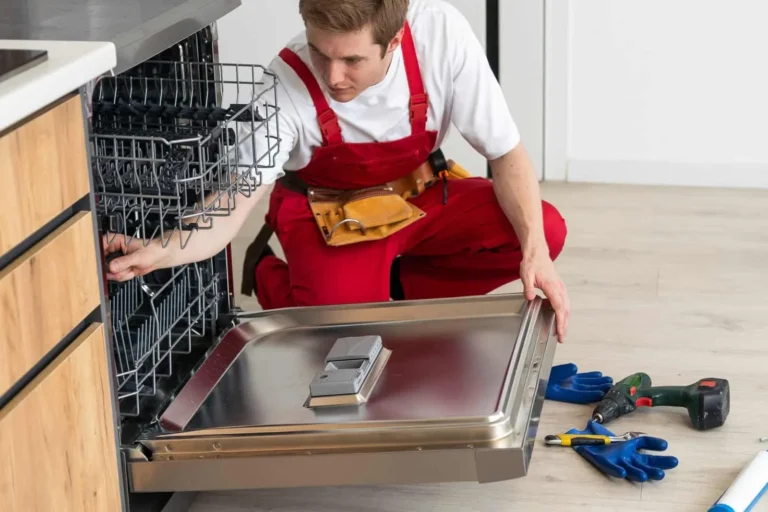
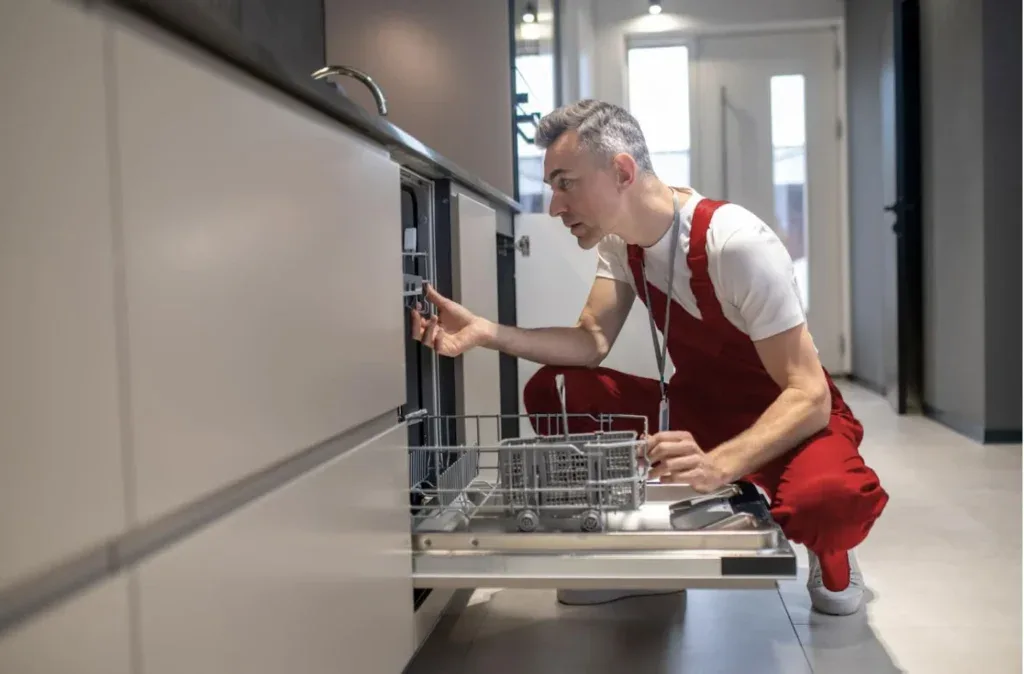
You can handle simple maintenance tasks such as cleaning filters and checking visible connections. However, electrical faults, leaking components, damaged pumps, heating problems, and control-board issues usually require professional attention.
Continuing to operate a malfunctioning dishwasher can sometimes increase damage. Water leaks may affect flooring or cabinetry, while electrical problems can create safety concerns.
When basic troubleshooting fails, scheduling Dishwasher Repair Charleston is a practical way to identify the actual cause and restore reliable performance. For broader household appliance problems, CASPI Home Service can also help homeowners address issues before they become more costly.
What Is the Best Way to Keep a Dishwasher Working Efficiently?
The best approach combines proper use, regular cleaning, and timely repairs. Load dishes correctly, remove large food particles, clean the filter, and use suitable detergent. Pay attention to changes in noise, drainage, cleaning quality, and drying performance.
A dishwasher provides convenient daily service, but it still needs care. Recognizing common problems early can help extend its working life and maintain consistent performance. When a problem requires specialized tools or electrical knowledge, professional Appliance Repair Charleston services can provide the right solution.