


September 7, 2026
How Can Medical Website Maintenance Improve Website Security?
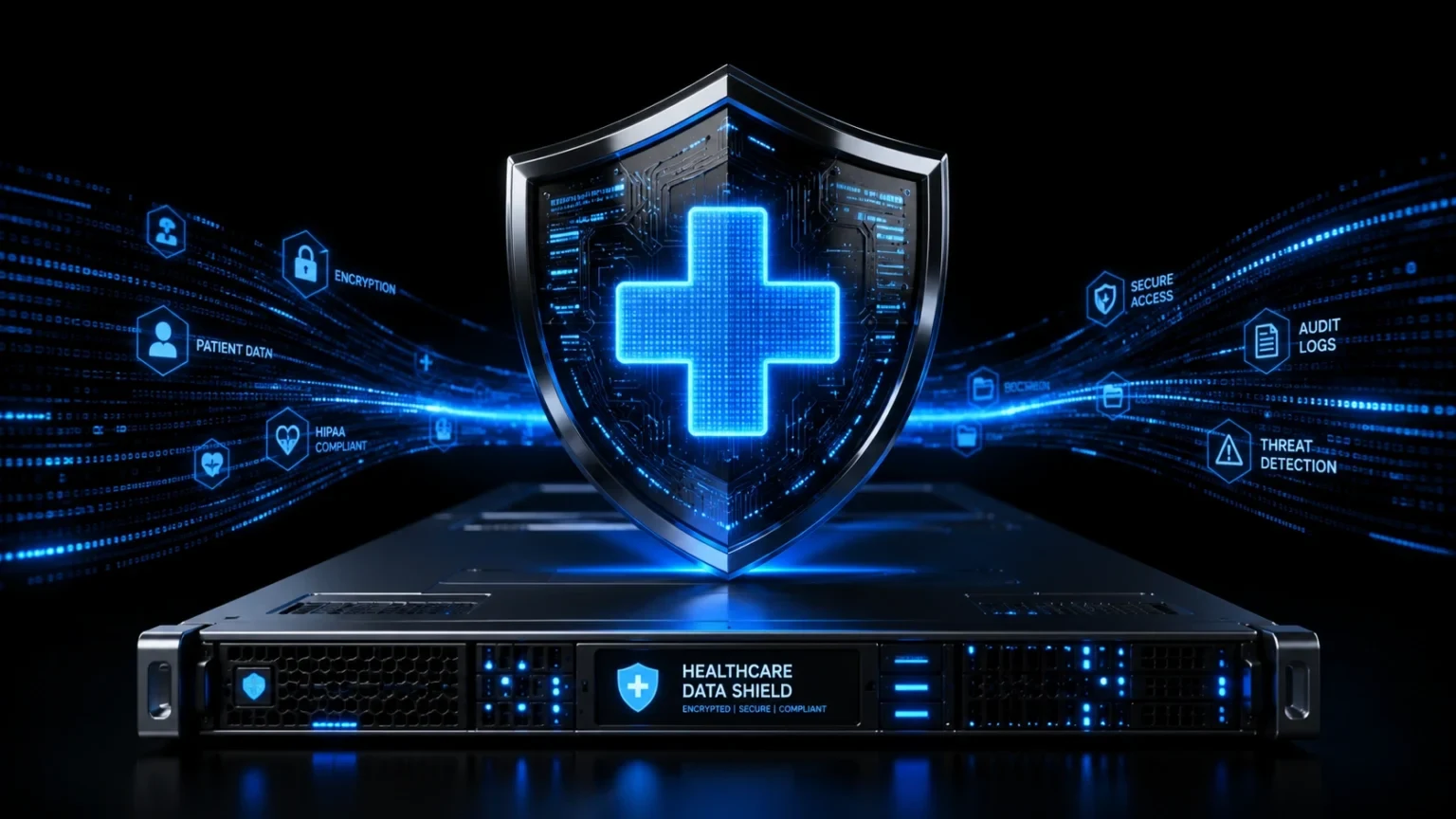
A medical website does more than provide information about doctors, treatments, and healthcare services. It often handles sensitive patient inquiries, appointment requests, contact details, and other important information. Because of this, healthcare websites face serious security risks. Hackers may target outdated software, weak passwords, insecure plugins, or poorly maintained servers.
Regular medical website maintenance helps healthcare businesses keep their websites secure, reliable, and functional. A consistent maintenance plan identifies vulnerabilities before attackers can exploit them and ensures that essential website components remain updated.
Why Is Website Security Important for Medical Websites?
Healthcare websites can contain information that requires strong protection. Even when a website does not directly store medical records, it may collect names, phone numbers, email addresses, appointment details, and contact form submissions.
A security breach can damage patient trust and affect a healthcare organization’s reputation. It can also cause website downtime, data exposure, malware infections, or unauthorized access.
Regular maintenance creates a proactive approach to security. Instead of waiting for a cyberattack, website owners can identify and fix potential weaknesses before they become serious problems.
How Do Regular Software Updates Protect a Medical Website?
Outdated website software can create security gaps. Content management systems, themes, plugins, frameworks, and server software frequently receive security updates to address newly discovered vulnerabilities.
During medical website maintenance, administrators should check for available updates and install them carefully. They should also test the website after updating to make sure important pages, forms, booking systems, and integrations continue working correctly.
For WordPress websites, updates become particularly important because third-party plugins and themes can introduce vulnerabilities when developers stop supporting older versions.
Can WordPress Maintenance and Support Services Improve Security?
Yes. Professional wordpress maintenance and support services can provide ongoing monitoring, updates, backups, malware checks, and security improvements.
Healthcare organizations may not have the time or technical expertise to monitor their websites every day. A dedicated maintenance team can handle these tasks while allowing doctors, clinics, hospitals, and healthcare businesses to focus on patient care.
Professional support can include:
- WordPress core updates
- Plugin and theme updates
- Malware monitoring
- Security scanning
- Website backups
- Login protection
- Broken-link monitoring
- Performance checks
- Database optimization
- Technical troubleshooting
This regular attention reduces the chance that a small technical issue will develop into a major security problem.
How Do Security Scans Detect Website Threats?
Security scanning helps identify suspicious files, malware, unauthorized changes, vulnerable software, and unusual activity. Automated tools can regularly inspect website files and alert administrators when they detect potential problems.
However, scanning alone does not provide complete protection. Website owners should combine security scans with software updates, strong authentication, backups, access control, and professional monitoring.
A maintenance team can review security alerts and take appropriate action instead of allowing warnings to remain unresolved.
Why Are Strong Passwords and User Permissions Important?
Weak passwords create an easy entry point for attackers. Medical websites often have several users, including administrators, content editors, marketing teams, and technical staff.
Each account should use a strong, unique password. Website administrators should also assign users only the permissions they need. For example, a content editor does not necessarily need full administrator access.
Two-factor authentication can provide another layer of protection. It requires users to provide an additional verification method when logging in, making unauthorized account access more difficult.
How Do Website Backups Support Medical Website Security?
Backups provide an important recovery option if a website becomes infected, compromised, or damaged.
A reliable maintenance plan should create regular backups of important website files and databases. The backup should also be stored separately from the live website whenever possible.
If malware affects the website, administrators can remove the compromised installation and restore a clean version from a recent backup. This approach can significantly reduce downtime and help organizations recover more quickly.
Backups should also be tested periodically. A backup is useful only when administrators can successfully restore it when necessary.
How Does SSL Encryption Protect Patient Information?
An SSL certificate enables HTTPS encryption between a visitor’s browser and the website. This protection becomes especially important when visitors submit information through contact forms, appointment forms, patient inquiry forms, or other online services.
A secure HTTPS connection helps protect information from interception during transmission. It also gives visitors a visible security indicator in modern browsers.
Website maintenance should include regular SSL checks to ensure that certificates remain valid and that the website consistently uses HTTPS.
Can Maintenance Prevent Malware and Unauthorized Changes?
Regular maintenance can reduce the risk of malware infections by keeping software updated and monitoring website activity.
Administrators should also check for unexpected changes to website files, unfamiliar administrator accounts, suspicious redirects, and unusual content. These signs may indicate that someone has gained unauthorized access.
If suspicious activity appears, the maintenance team can investigate the issue, isolate affected components, remove malicious files, and restore the website when necessary.
PactYield can support a structured approach to website upkeep by making security monitoring and routine maintenance part of an ongoing website management strategy.
How Does Website Maintenance Improve Server Security?
Website security does not depend only on WordPress or another content management system. The hosting environment also plays an important role.
Regular maintenance should include checking server configurations, PHP versions, database settings, file permissions, and hosting security features. Using supported software versions helps reduce exposure to known vulnerabilities.
Website administrators should also remove unused files, inactive plugins, outdated themes, and unnecessary user accounts. Reducing unnecessary components creates fewer opportunities for attackers to exploit weaknesses.
Why Should Healthcare Websites Monitor Login Activity?
Login monitoring can help administrators identify suspicious access attempts. Multiple failed login attempts, unfamiliar locations, or unexpected administrator activity may indicate an attempted attack.
Security tools can limit repeated login attempts and block suspicious activity. Administrators can also use two-factor authentication and stronger password policies to protect important accounts.
These measures become especially valuable for healthcare websites because an attacker who gains administrator access can potentially modify content, install malicious software, or access information that the website processes.
How Can Maintenance Keep Medical Websites Compliant and Trustworthy?
Healthcare organizations need to take privacy and security seriously. While specific legal and regulatory requirements vary depending on the country, location, services, and type of information collected, maintaining a secure website supports responsible data handling.
Regular maintenance also builds trust. Visitors are more likely to interact with a healthcare website when pages load properly, HTTPS works correctly, forms function securely, and the website does not display security warnings.
A professional maintenance process helps organizations demonstrate that website security remains an ongoing priority.
How Does Proactive Maintenance Reduce Security Risks?
Waiting for a website to break can become expensive and stressful. Proactive maintenance takes a different approach. Administrators regularly inspect the website, update software, review security settings, create backups, and monitor performance.
This approach can identify vulnerabilities before attackers exploit them. It also helps reduce unexpected downtime and protects the overall user experience.
For healthcare providers, proactive medical website maintenance can therefore support both cybersecurity and website reliability.
What Should a Medical Website Maintenance Plan Include?
A strong maintenance plan should cover several areas rather than focusing on one security task. A practical checklist can include:
- Update WordPress and website software.
- Update plugins and themes.
- Scan for malware and suspicious activity.
- Maintain regular website backups.
- Test backup restoration.
- Check SSL and HTTPS configuration.
- Strengthen passwords and user permissions.
- Enable two-factor authentication where appropriate.
- Remove unused plugins, themes, and accounts.
- Monitor website uptime and performance.
- Review security alerts regularly.
- Fix vulnerabilities as soon as possible.
Healthcare businesses can also use professional wordpress maintenance and support services when they want specialists to manage these technical responsibilities.
How Can Professional Maintenance Strengthen Patient Trust?
Patients expect healthcare websites to provide accurate, accessible, and secure information. A website that frequently displays errors, redirects visitors to suspicious pages, or goes offline can quickly lose credibility.
Consistent maintenance helps prevent these problems. It keeps the website updated, secure, functional, and available to visitors.
PactYield can help businesses recognize website maintenance as an ongoing investment rather than a one-time technical task. By combining security checks, updates, backups, monitoring, and performance improvements, healthcare organizations can create a stronger digital presence.
Conclusion: Can Medical Website Maintenance Improve Website Security?
Absolutely. Regular medical website maintenance plays an important role in protecting healthcare websites from common security threats. Software updates, malware scanning, secure passwords, access controls, SSL protection, backups, and monitoring all contribute to a stronger security strategy.
Healthcare organizations should not wait until a security breach or website failure occurs. A proactive maintenance plan can identify vulnerabilities early, reduce downtime, protect website visitors, and maintain patient confidence.
By using professional wordpress maintenance and support services, healthcare businesses can keep their websites secure while ensuring that their technical systems continue to support their patients and daily operations.