



September 18, 2026
Fat Nigga Cry Meme and Dictator Meme Template: A Look at Viral Internet Humor
Internet memes have become one of the fastest ways people communicate humor, reactions, opinions, and emotions online. From reaction images to carefully edited templates, memes constantly evolve as users remix familiar visuals into new jokes. Two search terms that appear in meme-related discussions are Fat Nigga Cry Meme and “Dictator Meme Template.” Although the first phrase contains a derogatory racial slur and should be used cautiously, both terms demonstrate how recognizable images and cultural references can become part of online meme culture.
What Is the Fat Nigga Cry Meme?
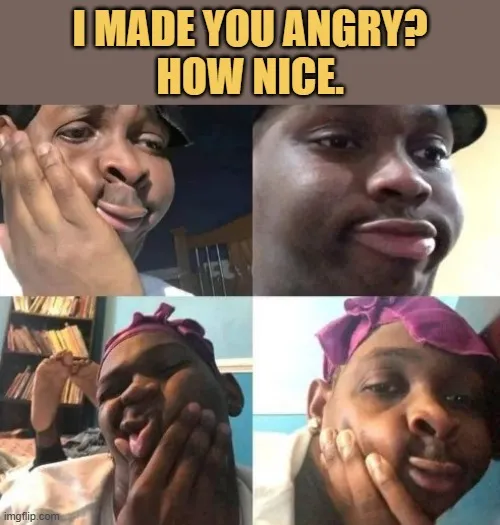
The Fat Nigga Cry Meme is a search phrase commonly associated with reaction-style meme content depicting an overweight person crying or appearing emotionally distressed. People generally use this type of image to represent exaggerated sadness, disappointment, frustration, or an emotional reaction to an unfortunate situation.
The wording of the search term itself is offensive because it contains an anti-Black racial slur. For that reason, many creators and websites may prefer neutral alternatives such as “crying reaction meme,” “sad reaction meme,” or “crying guy meme.” When discussing the meme for research or SEO purposes, it is useful to recognize the distinction between describing a commonly searched phrase and endorsing the language contained within it.
Reaction memes work because viewers can immediately understand the emotion being represented. A crying expression can communicate everything from “I cannot believe this happened” to humorous disappointment. Adding a short caption often transforms a simple photograph into a relatable joke.
Understanding the Dictator Meme Template
The Dictator Meme Template is another popular category of internet meme based on imagery associated with authoritarian rulers, fictional dictators, or recognizable political figures. These templates are frequently edited with captions that exaggerate someone’s behavior, demands, rules, or obsession with control.
Unlike a traditional joke, a meme template provides a visual framework that users can repeatedly adapt. Someone might take an image of a stern-looking leader and add text about controlling a group chat, choosing what restaurant everyone visits, or setting unnecessarily strict rules for a game.
Political and historical imagery is especially useful for memes because facial expressions, uniforms, speeches, and dramatic poses can create an exaggerated sense of authority. The humor usually comes from applying that serious imagery to an ordinary or ridiculous situation.
Why Meme Templates Become Popular
One major reason meme templates spread quickly is accessibility. Users do not need advanced graphic-design skills to create a meme. A familiar image combined with a short caption can become a complete piece of content within seconds.
Another factor is relatability. The most successful memes often take an everyday experience and present it in an exaggerated way. Someone being disappointed by a cancelled plan can become a dramatic crying reaction, while a friend insisting on controlling every detail of an activity can inspire a dictator-style meme.
Social media platforms further accelerate this process. Once an image becomes recognizable, users can create hundreds or even thousands of variations. Each variation gives the original template a new context while preserving its basic visual identity.
Using Meme Templates Responsibly
Meme culture is generally playful, but context matters. Some templates involve race, politics, historical tragedies, or other sensitive subjects. Creators should consider how an image or caption might affect the people or communities being referenced.
For example, when discussing the Fat Nigga Cry Meme, using neutral terminology in an article or caption can help avoid unnecessarily repeating offensive language. Similarly, a Dictator Meme Template can be used for harmless satire without making light of real-world suffering or historical atrocities.
Good meme creation often depends on creativity rather than shock value. A clever caption, unexpected comparison, or relatable situation can make a meme entertaining without relying on discriminatory language.
The Evolution of Internet Humor
Meme formats change rapidly. A reaction image that dominates social media for a few months may eventually be replaced by a new format. However, the basic concept remains the same: combine a recognizable visual with concise text to communicate an idea quickly.
The Fat Nigga Cry Meme and Dictator Meme Template represent two different approaches to this process. One centers primarily on emotional reaction, while the other relies on exaggerated authority and satire. Both demonstrate how visual context can change the meaning of an image.
Final Thoughts
Memes are more than simple pictures with captions. They are a form of digital communication shaped by humor, trends, social media, and shared cultural references. Search phrases such as “Fat Nigga Cry Meme” and “Dictator Meme Template” reflect the wide range of visual formats people explore when looking for reaction images and editable meme ideas.
Whether someone is creating a reaction meme, parodying an exaggerated situation, or experimenting with a popular template, the key is understanding the context behind the image. Creative captions and relatable situations can turn familiar templates into fresh jokes while keeping meme culture engaging and accessible.