




September 21, 2026
How Can Basement Flood Clean Up Restore Your Property?
A flooded basement can quickly turn a safe and comfortable home into a stressful environment. Water can damage flooring, walls, furniture, electrical systems, and stored belongings within a short time. Standing water also creates conditions that encourage mould growth and unpleasant odours. For these reasons, homeowners need to act quickly after a basement flood.
Professional basement flood clean up helps remove water, dry affected areas, clean damaged surfaces, and reduce the risk of further property damage. Trained restoration professionals use specialised equipment and proven methods to manage water damage efficiently. With timely help, homeowners can restore their basement and return the property to a safe condition.
Why Does Basement Flooding Require Immediate Attention?
Basement flooding can become more serious when water remains inside the property for too long. Moisture can soak into drywall, insulation, carpets, wooden structures, and other porous materials. These materials may become difficult to restore if they remain wet for an extended period.
Water can also spread beyond the original flooded area. It may move through flooring, walls, and cracks, affecting nearby rooms and structural components. Acting quickly helps limit the affected area and prevents additional damage.
Professional disaster restoration services can respond quickly to assess the situation and begin the necessary restoration work. Early action can also make the cleaning process more manageable and reduce the possibility of long-term moisture problems.
How Does Professional Basement Flood Clean Up Remove Standing Water?
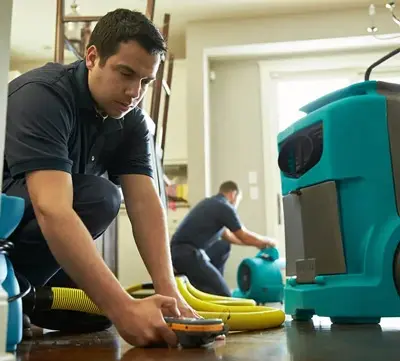
The first major step in basement restoration involves removing standing water. Professionals use commercial-grade pumps, wet vacuums, and other extraction equipment to remove large amounts of water efficiently.
Removing water manually can take considerable time, especially when flooding covers a large section of the basement. Professional equipment allows technicians to extract water more quickly and reach areas that may be difficult to access.
Once technicians remove the visible water, they inspect the basement for hidden moisture. Water can remain underneath flooring, behind walls, or inside other materials. Identifying these hidden moisture sources helps prevent problems from developing after the initial clean-up.
Can Professional Drying Prevent Further Property Damage?
Yes, thorough drying plays an important role in restoring a flooded basement. Removing standing water does not always eliminate all moisture. Materials can continue to hold water even after the surface appears dry.
Restoration professionals use air movers, dehumidifiers, moisture meters, and other drying equipment to reduce moisture levels. They monitor affected areas during the drying process and adjust equipment when necessary.
Proper drying helps protect building materials and reduces the conditions that support mould growth. It also helps prevent musty smells and other moisture-related problems.
A professional team such as Ideal Response can evaluate the affected areas and create a practical drying plan based on the level and extent of the water damage.
How Does Basement Flood Clean Up Address Mould Risks?
Mould can develop when damp conditions remain inside a property. A flooded basement often provides the moisture that mould needs to grow, particularly when water affects drywall, carpets, insulation, or wooden materials.
Professional clean-up focuses on removing excess moisture and identifying materials that require additional treatment or replacement. Technicians can clean affected surfaces using appropriate methods and recommend further action when materials cannot be safely restored.
Fast drying remains one of the most important steps because it reduces prolonged moisture exposure. Homeowners should avoid covering damp surfaces or simply masking musty odours, as these approaches do not solve the underlying moisture problem.
What Happens to Damaged Flooring and Walls?
Floodwater can affect different building materials in different ways. Carpet may absorb large amounts of water, while wooden flooring can swell or warp. Drywall can also absorb moisture and deteriorate when exposed to water for too long.
During basement flood clean up, professionals inspect these materials and determine whether they can be cleaned and dried or require removal. They consider the type of water involved, the extent of the damage, and the condition of the affected material.
Removing severely damaged materials can help prevent moisture from remaining inside the structure. At the same time, professionals can preserve materials that remain suitable for restoration, helping homeowners avoid unnecessary replacement costs.
Why Is Professional Cleaning Important After a Basement Flood?
Floodwater may leave behind dirt, debris, sediment, and unpleasant odours. Depending on the source of the water, it may also introduce contaminants into the basement.
Professional cleaning addresses these concerns by removing debris and cleaning affected surfaces. Restoration technicians use appropriate cleaning products and equipment based on the materials and conditions involved.
Cleaning also helps prepare the basement for later repairs. A clean and properly dried area provides a better foundation for replacing flooring, repairing walls, repainting surfaces, or completing other restoration work.
How Can Disaster Restoration Services Help Protect Belongings?
A basement often stores furniture, boxes, appliances, documents, seasonal decorations, and personal belongings. Floodwater can damage these items quickly.
Professional restoration teams can assess affected belongings and separate items that may be salvageable from those that require disposal. Technicians may clean, dry, or move recoverable items to a safer location.
Acting quickly gives belongings a better opportunity for recovery. Items that remain wet for an extended period may develop stains, odours, or other damage that becomes harder to reverse.
How Do Professionals Handle Electrical and Safety Concerns?
Flooded basements can present safety hazards, especially when water reaches electrical outlets, appliances, wiring, or electrical panels. Homeowners should avoid entering areas where electrical hazards may exist.
Professionals assess the environment and identify safety concerns before beginning restoration work. When necessary, they coordinate with qualified specialists to address electrical or structural issues.
Safety should always remain a priority during restoration. Homeowners should not take unnecessary risks simply to remove water or retrieve belongings.
Can Basement Flood Clean Up Restore the Property Completely?
The extent of restoration depends on the severity of the flood, the source of the water, the duration of exposure, and the materials affected. Some basements may require only water extraction, drying, and cleaning. More severe situations may require demolition, repairs, and reconstruction.
Professional disaster restoration services can help homeowners understand the scope of the damage and determine which steps are necessary. A detailed assessment allows the restoration team to address both visible and hidden problems.
Once cleaning and drying are complete, repair work can restore damaged walls, flooring, ceilings, and other areas. The goal is to return the basement to a clean, dry, functional, and safe condition.
Why Should You Choose Professional Restoration Help?
A basement flood can involve more than visible standing water. Hidden moisture, damaged materials, mould risks, odours, and safety concerns can complicate the restoration process.
Professional teams bring specialised equipment, technical knowledge, and structured procedures to the job. They can respond to the immediate damage while also looking for conditions that could create future problems.
Ideal Response provides professional restoration support designed to address water damage efficiently and systematically. A structured approach helps homeowners move from emergency water removal toward complete property recovery.
How Can You Prepare Your Basement for Future Flooding?
Although no property can completely eliminate the risk of flooding, homeowners can take steps to reduce potential damage. Regularly inspect sump pumps, drainage systems, gutters, downspouts, and basement windows. Keep valuable belongings stored away from the floor where possible.
You can also learn where the main water shut-off valve and electrical controls are located. Regular maintenance can identify problems before they contribute to serious water damage.
After a flood, professional basement flood clean up remains an important step toward restoring the property. Prompt water extraction, effective drying, careful cleaning, and appropriate repairs can make a major difference.
Ideal Response can help homeowners address the effects of basement flooding with organised disaster restoration services. By acting quickly and using professional restoration methods, property owners can reduce further damage and work toward restoring their basement to a safe and usable condition.