


September 22, 2026
What Are Pilates Small Group Classes?
Pilates has become a popular way to improve strength, flexibility, balance, and body awareness. While many people choose private sessions, Pilates Small Group Classes offer another effective option. These classes bring a small number of participants together with a qualified instructor. You receive personal guidance while also enjoying the energy and motivation of a group.
Small group Pilates creates a comfortable middle ground between one-on-one training and large fitness classes. The instructor can observe your movements, explain techniques, and provide corrections without losing the benefits of a shared class environment. This approach can suit beginners, experienced practitioners, and people who want more focused attention during their workouts.
How Do Pilates Small Group Classes Work?
Pilates Small Group Classes usually include a limited number of participants. The exact class size can vary between studios, but the smaller setting allows the instructor to interact with each person more closely.
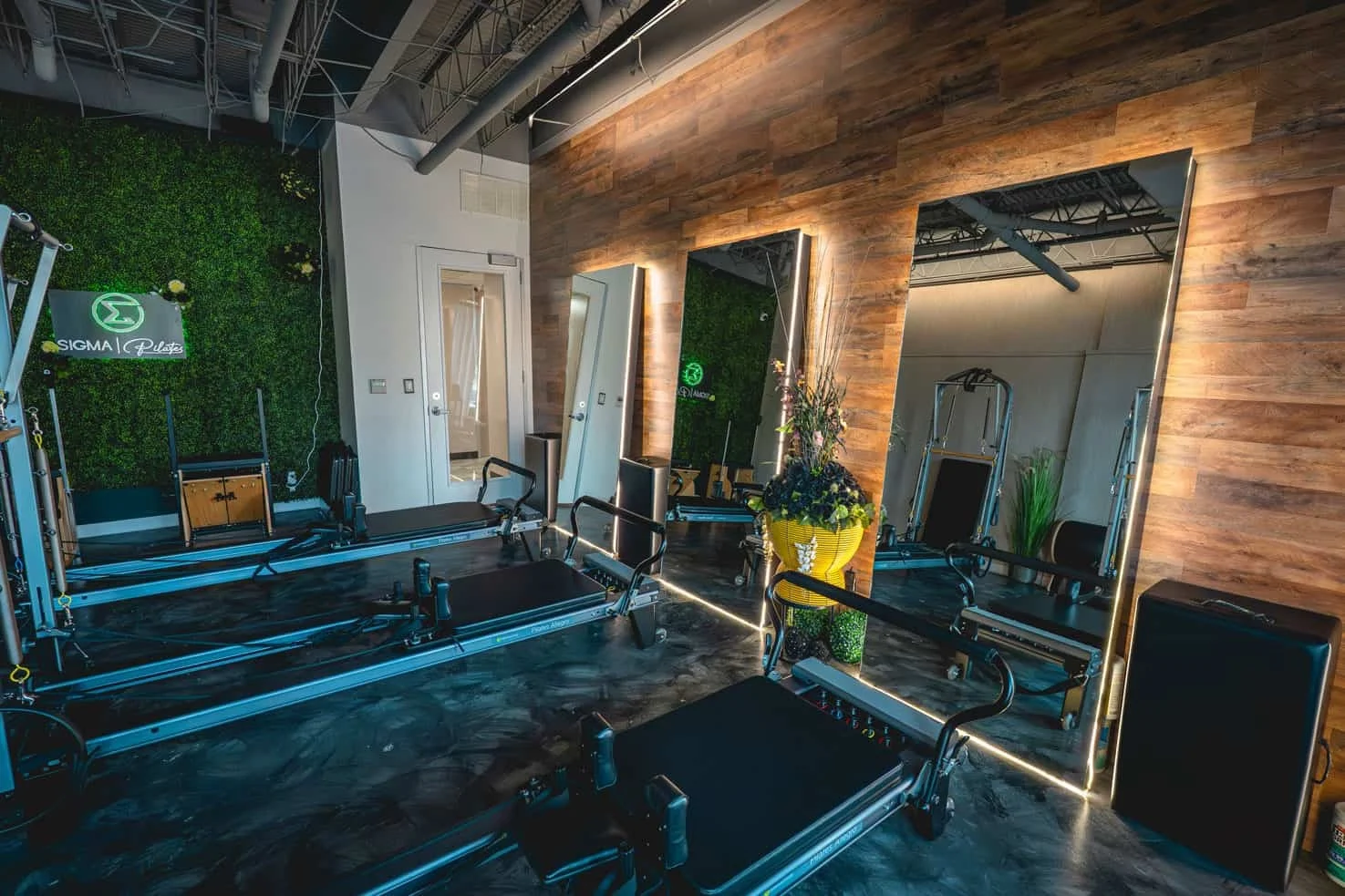
A typical session may include warm-up movements, core exercises, controlled strength work, flexibility training, and a cool-down. Depending on the studio and class format, you may use Pilates mats, reformers, resistance bands, balls, or other equipment.
The instructor demonstrates each movement and explains proper alignment. Participants then perform the exercises while the instructor monitors their technique. Because the group remains small, the coach can offer individual adjustments when needed.
This structure helps you learn Pilates movements correctly instead of simply following a fast-paced routine.
Why Choose a Small Group Pilates Class?
A small group class offers several advantages. First, you receive more attention than you normally would in a large group fitness session. The instructor has more opportunities to notice your posture, movement patterns, and technique.
Second, the group environment can make exercise more enjoyable. You can train alongside people with similar goals and build a sense of community. Some participants find that this shared experience helps them stay consistent with their fitness routine.
Small groups can also provide variety. Instructors can adapt exercises for different experience levels while maintaining a common class structure. This makes the sessions engaging without making them feel overwhelming.
Can Beginners Join Pilates Small Group Classes?
Yes, beginners can often join Pilates Small Group Classes, especially when the studio offers classes designed for introductory or mixed experience levels. You do not need advanced flexibility or strong core muscles before starting Pilates.
A good instructor introduces foundational movements first. You may learn how to engage your core, control your breathing, maintain neutral alignment, and move with precision. As your confidence improves, the instructor can gradually introduce more challenging exercises.
Beginners should communicate their experience level with the instructor before the session. This allows the coach to provide appropriate modifications and explain unfamiliar movements.
Starting with the correct technique can help you develop a strong foundation for future Pilates workouts.
What Benefits Can You Get From Pilates Small Group Classes?
Pilates focuses on controlled movement rather than simply completing as many repetitions as possible. Regular practice can support several aspects of physical fitness.
Can Pilates Improve Core Strength?
Core training remains one of the central elements of Pilates. Many exercises engage the abdominal muscles, back muscles, hips, and surrounding stabilizing muscles.
A stronger core can help you maintain better control during exercise and everyday movements. Small group instruction also allows the coach to remind you how to activate your core correctly.
Can Pilates Support Flexibility?
Pilates combines strength and controlled stretching. Many movements encourage you to work through a comfortable range of motion while maintaining proper alignment.
Consistent practice can help you become more aware of tight areas and improve your overall movement quality.
Can Pilates Improve Balance and Coordination?
Pilates requires concentration and body awareness. You often need to coordinate your breathing, posture, and movement at the same time.
These exercises can challenge your balance and coordination while encouraging controlled movement. The instructor can also modify exercises when you need additional support.
Can Pilates Help Improve Posture?
Posture depends on strength, mobility, body awareness, and movement habits. Pilates exercises often emphasize spinal alignment and controlled positioning.
During a small group class, the instructor can observe your alignment and provide useful technique reminders. Over time, this feedback can help you become more conscious of how you position your body during exercise.
How Do You Find the Right Pilates Coaches near Me?
When searching for Pilates Coaches near Me, consider more than location. Look for instructors who have appropriate Pilates training and experience working with people at your fitness level.
You should also consider the class size, equipment, teaching style, and studio environment. A smaller class may provide more opportunities for individual feedback.
Ask whether the instructor offers beginner modifications if you are new to Pilates. You can also ask about the class structure, session length, and whether the studio provides reformer or mat-based training.
Reading reviews can help you understand other clients’ experiences, but your personal comfort with the instructor and studio should also influence your decision.
What Should You Expect During Your First Small Group Session?
Your first session may begin with a brief introduction. The instructor may ask about your experience, goals, and any movement limitations you want to discuss.
The coach will then explain the equipment and demonstrate basic exercises. Pay attention to breathing, alignment, and controlled movement rather than trying to perform every exercise perfectly.
Do not worry if other participants have more experience. A well-organized class can provide different exercise variations so participants can work at an appropriate level.
Consistency matters more than intensity when you are developing your Pilates skills.
How Can You Stay Consistent With Pilates?
Creating a realistic schedule can make Pilates easier to maintain. Choose class times that fit naturally into your weekly routine. Attending consistently allows you to become familiar with the exercises and gradually improve your technique.
You should also focus on progress rather than perfection. You may notice improvements in body awareness, control, flexibility, strength, and confidence as you continue practicing.
A supportive studio can make this process more enjoyable. Sigma Pilates can provide a structured environment where participants can learn Pilates movements while receiving guidance from an instructor.
Are Small Group Pilates Classes Right for You?
Small group Pilates can suit people who want personalized instruction without choosing a fully private session. It offers focused coaching, social interaction, and a structured approach to movement.
If you prefer individual attention, enjoy learning alongside others, and want to build strength and mobility through controlled exercise, this class format may fit your needs.
Before joining, consider your current fitness level, goals, preferred class size, and the instructor’s experience. Finding the right environment can make your Pilates journey more comfortable and sustainable.
What Makes a Good Pilates Studio?
A quality Pilates studio should prioritize safe movement, clear instruction, proper equipment, and a welcoming atmosphere. Instructors should explain exercises clearly and offer modifications when necessary.
The studio should also maintain clean equipment and provide enough space for participants to move comfortably. Most importantly, the instructor should encourage proper technique instead of rushing participants through exercises.
Sigma Pilates focuses on creating an environment where participants can develop their Pilates skills through structured and attentive instruction.
How Can You Get Started With Pilates Small Group Classes?
Getting started can be simple. First, identify your goals and experience level. Next, explore local studios and ask about available small group sessions. If you are new to Pilates, consider an introductory class so you can learn the fundamentals.
Once you find a suitable class, attend consistently and communicate with your instructor. Ask questions when you are unsure about a movement and focus on controlled technique.
Pilates Small Group Classes can provide an effective balance of personalized coaching and group motivation. With regular practice and qualified instruction, you can develop greater body awareness while working toward improved strength, flexibility, balance, and movement control.