



October 30, 2026
What Makes French Furniture Different from Contemporary Furniture?
Furniture plays an important role in defining the appearance, comfort, and atmosphere of a home. Different furniture styles offer unique ways to decorate living spaces and express personal taste. French furniture and contemporary furniture are two popular choices, but they have distinct characteristics. French furniture reflects traditional craftsmanship, elegant details, and timeless beauty, while contemporary furniture focuses on modern designs, simplicity, and practical functionality.
Understanding the french furniture company differences between these styles can help homeowners choose furniture that suits their lifestyle and interior preferences. Whether you want a sophisticated traditional home or a clean modern environment, both styles offer attractive possibilities.
What Defines the Traditional Beauty of French Furniture?
French furniture is known for its elegance, decorative details, and classic appeal. Its designs often draw inspiration from different historical periods, including Louis XV, Louis XVI, and French provincial styles. These influences create furniture pieces that bring character and sophistication to interiors.
Traditional French furniture commonly features curved legs, carved wooden frames, decorative mouldings, and beautifully finished surfaces. Upholstered chairs and sofas may include luxurious fabrics, subtle patterns, and elegant detailing.
Natural materials also play an important role in this style. Furniture makers often use solid wood, decorative veneers, and quality upholstery to create pieces that combine beauty with durability.
These characteristics make French furniture suitable for homeowners who appreciate traditional interiors and timeless decorative elements.
How Does Contemporary Furniture Differ in Design?
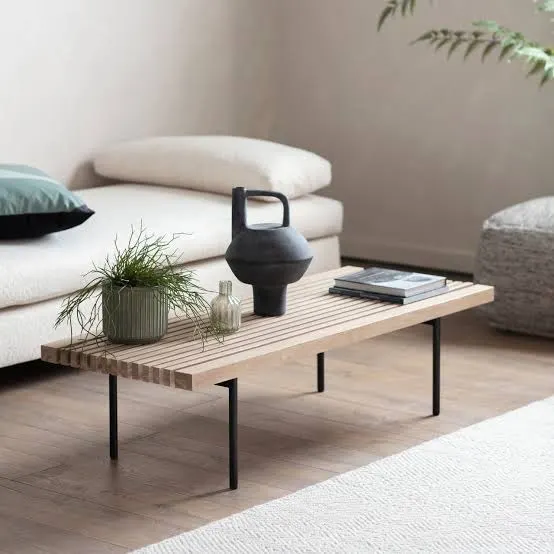
Contemporary furniture follows current design preferences and modern lifestyle requirements. Unlike traditional French designs, it usually focuses on clean lines, simple shapes, and minimal decoration.
Modern furniture often features geometric forms, smooth surfaces, and neutral colour combinations. Designers prioritise practical use and create pieces that fit comfortably into modern homes.
Materials such as metal, glass, engineered wood, and modern upholstery fabrics appear frequently in contemporary furniture collections. These materials create a fresh appearance while supporting everyday functionality.
Contemporary furniture also adapts to changing interior trends. Its designs may evolve with new materials, colours, and manufacturing techniques, making it a flexible choice for people who enjoy modern surroundings.
Why Does French Furniture Focus on Craftsmanship?
Craftsmanship is one of the most recognisable features of traditional French furniture. Many designs highlight decorative techniques that require attention to detail and skilled workmanship.
Carved details, shaped wooden frames, decorative finishes, and carefully selected upholstery help create distinctive furniture pieces. These elements give each design a sense of character that simple mass-produced furniture may not offer.
French-inspired furniture also celebrates traditional finishing techniques. Antique-style surfaces, distressed paint effects, and delicate decorative accents can add warmth and personality to a room.
Contemporary furniture, on the other hand, often focuses on efficient manufacturing and streamlined construction. Although modern furniture can also offer excellent craftsmanship, its appearance generally places less emphasis on elaborate decoration.
What Materials Are Commonly Used in Both Furniture Styles?
Materials influence the appearance, quality, and durability of furniture. French and contemporary furniture collections use different combinations of materials depending on their design goals.
French furniture often features:
- Solid wood, including oak and other traditional hardwoods.
- Decorative veneers and carved wooden details.
- Natural fabrics such as linen and cotton.
- Velvet and other luxurious upholstery materials.
- Antique-inspired finishes and decorative metal accents.
Contemporary furniture commonly includes:
- Metal frames and structural components.
- Glass surfaces and modern finishes.
- Engineered wood and laminates.
- Synthetic upholstery materials.
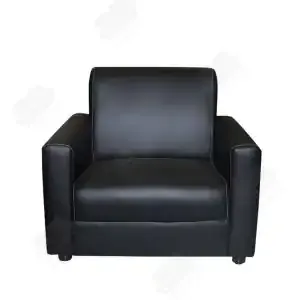
- Leather and minimalist fabric designs.
French furniture generally uses materials and finishes that highlight traditional character, while contemporary designs often combine different materials to achieve a streamlined appearance.
However, quality depends on the construction, material selection, and maintenance rather than the style alone.
How Does Art Deco Furniture Fit Between Traditional and Modern Designs?
Art Deco furniture offers an interesting connection between traditional elegance and modern design. This style became popular during the early twentieth century and introduced bold geometric patterns, luxurious materials, and decorative finishes.
Unlike heavily carved traditional furniture, Art Deco designs often use symmetrical shapes, polished surfaces, and striking visual contrasts. Common materials include glass, polished wood, metal, and luxurious upholstery.
Art Deco furniture can complement both classic and contemporary interiors. For example, a decorative Art Deco cabinet can create an attractive focal point in a modern living room. Similarly, an elegant upholstered chair can add sophistication to a traditional dining area.
Homeowners who appreciate decorative furniture but prefer a more structured appearance can consider Art Deco designs. They offer a distinctive balance between classic luxury and modern simplicity.
Which Furniture Style Offers Better Comfort and Functionality?
Comfort and functionality depend on how people use their furniture every day. Both French and contemporary furniture can provide comfortable seating, practical storage, and attractive designs.
French furniture often combines supportive construction with traditional upholstery. Deep-seated sofas, cushioned armchairs, and upholstered dining chairs can create inviting spaces for relaxing and entertaining guests.
Contemporary furniture usually places greater emphasis on modern living requirements. Many designs feature compact dimensions, flexible layouts, built-in storage, and practical shapes that suit smaller homes.
For example, a contemporary sofa may include adjustable sections or a modular design. A traditional French sofa may focus more on decorative upholstery, elegant curves, and classic proportions.
The right choice depends on available space, personal comfort preferences, and everyday requirements.
How Can You Choose the Right Furniture for Your Interior?
Choosing between French and contemporary furniture becomes easier when you consider your home’s existing design and practical needs.
Start by identifying the atmosphere you want to create. If you prefer warmth, elegance, and traditional charm, French furniture may suit your interior. If you enjoy open spaces, simple shapes, and modern finishes, contemporary furniture could be a better option.
Consider these important factors:
1. Available Space: Large decorative French furniture can work beautifully in spacious rooms, while contemporary designs often suit compact interiors.
2. Colour Preferences: French interiors frequently use soft neutrals, cream, beige, and muted pastel shades. Contemporary spaces may feature neutral palettes alongside bold accent colours.
3. Existing Decorations: Choose furniture that complements your flooring, lighting, wall colours, and decorative accessories.
4. Maintenance Requirements: Consider the cleaning and care required for wooden finishes, upholstery, glass, and other materials.
5. Long-Term Appeal: Select furniture that matches your personal taste and provides lasting value rather than following temporary trends.
A carefully planned combination of both styles can also create a distinctive and balanced interior.
Can You Combine French Furniture with Contemporary Interiors?
Yes, combining French furniture with contemporary interiors can produce a stylish and welcoming environment. This approach allows homeowners to enjoy traditional elegance without making their spaces look overly formal.
For example, you can place a French-inspired armchair in a minimalist living room. Its curved frame and decorative upholstery can introduce visual interest without overwhelming the surroundings.
A traditional wooden dining table can also look attractive with simple contemporary dining chairs. Similarly, an elegant French console table can add character to a modern hallway.
The key is to maintain balance. Avoid filling every corner with decorative pieces. Instead, choose a few statement items and allow them to stand out.
Working with La Maison Chic can help homeowners explore elegant furniture options that bring traditional French character into carefully designed interiors.
Why Should You Consider Quality When Buying French Furniture?
Furniture represents a long-term investment, so quality should remain an important consideration. Well-constructed furniture can maintain its appearance and functionality through regular use.
Before purchasing, examine the frame, joints, upholstery, surface finish, and overall construction. Check whether drawers open smoothly and whether chairs and tables feel stable.
Pay attention to the materials used in the furniture. Solid wood, quality upholstery, and durable finishes can contribute to a longer lifespan when properly maintained.
You should also consider the proportions of each piece. Beautiful furniture will only improve your interior when it fits comfortably within the available space.
A trusted furniture retailer can help you understand different styles, materials, finishes, and design options before making a decision.
Which Furniture Style Is the Best Choice for Your Home?
French and contemporary furniture offer different ways to create attractive and comfortable interiors. French furniture celebrates traditional craftsmanship, decorative details, luxurious materials, and timeless elegance. Contemporary furniture focuses on simplicity, modern functionality, clean lines, and adaptable designs.
Neither style is automatically better than the other. Your decision should reflect your interior preferences, available space, lifestyle, and budget.
If you appreciate classic beauty and sophisticated detailing, French furniture can bring lasting character to your home. If you prefer practical layouts and minimalist surroundings, contemporary furniture may be more suitable. You can also combine selected pieces from both styles to create a personalised interior.
With carefully selected designs from La Maison Chic, homeowners can explore the appeal of French-inspired interiors and introduce elegant furniture that makes everyday living more beautiful.