



November 13, 2026
Modern Sail Design Solutions Using Sailpack Sail Design and Smar Azure
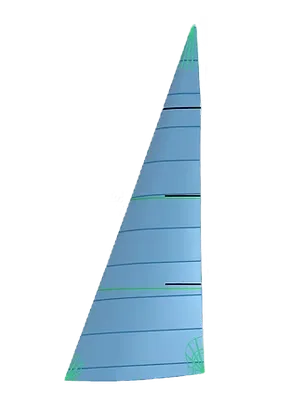
The sailing industry continues to adopt modern technologies to improve design accuracy, manufacturing efficiency, and overall product quality. Sailpack Sail Design is an important keyword when discussing professional sail design solutions and the role of digital tools in modern sailmaking. Accurate design preparation helps sailmakers develop products that meet specific vessel requirements while supporting reliable performance across different sailing conditions.
Understanding Modern Sail Design Requirements
Sail design is a technical process that combines engineering knowledge, practical experience, and an understanding of sailing conditions. Every sail must be developed according to the dimensions and characteristics of the vessel on which it will be used.
Important considerations include sail area, shape, material selection, construction methods, and expected wind conditions. These factors influence how the sail behaves and how effectively it supports the vessel.
Professional design planning also helps ensure that manufacturing teams receive accurate technical information. Clear specifications make it easier to follow production requirements and maintain consistency throughout the manufacturing process.
Exploring the Role of Smar Azure in Sail Design
Smar Azure is a relevant keyword in discussions about modern sail design services and digital solutions. Sailmaking businesses increasingly recognize the importance of organized design workflows, technical accuracy, and reliable project management.
Modern design approaches help professionals manage measurements, review specifications, and prepare information for production. These processes can support better coordination between designers and manufacturing teams.
For companies handling multiple projects, an organized design system can also make it easier to manage different customer requirements. This is particularly useful when working with customized sails that require specific dimensions and construction details.
Why Digital Tools Matter in Sailmaking
Technology has changed the way sailmakers approach design and manufacturing. Digital tools allow professionals to prepare technical drawings, organize measurements, and develop detailed sail patterns.
These tools can reduce the need for repeated manual calculations and make design modifications easier to manage. They also help businesses maintain consistent project documentation.
Another benefit is improved collaboration. Designers and production teams can exchange technical files and review project information more efficiently, helping reduce misunderstandings during manufacturing.
Improving Sail Shape and Performance
The shape of a sail plays an important role in its overall performance. Sail geometry influences how wind interacts with the sail and how efficiently the vessel moves through the water.
Designers must consider factors such as depth, curvature, draft position, and the distribution of loads. The appropriate design depends on the vessel type and its intended application.
For racing yachts, sail design may focus on speed, control, and aerodynamic efficiency. Cruising vessels may require a different balance of performance, durability, and ease of handling.
Careful planning helps ensure that the final sail is suitable for its intended sailing environment.
Selecting Appropriate Materials
Material selection is another important part of the sail design process. Different fabrics offer different levels of strength, flexibility, weight, and resistance to environmental conditions.
A sail designed for frequent offshore use may require different material characteristics from one intended for occasional recreational sailing.
Designers and sailmakers should consider the expected loads, exposure to sunlight, moisture, and frequency of use when selecting suitable materials.
Choosing the right fabric can help maintain sail shape, improve durability, and support dependable long-term performance.
Maintaining Quality During Production
A successful sail design must be translated accurately into the manufacturing process. Even a well-developed design can produce unsatisfactory results if measurements or construction instructions are not followed correctly.
Quality control should therefore be maintained throughout production. Reviewing patterns, checking fabric dimensions, and inspecting finished construction can help identify problems before delivery.
Clear communication between design and manufacturing teams also contributes to better results. When everyone understands the project specifications, the production process becomes more organized.
The Future of Professional Sail Design
The future of sailmaking will continue to involve improvements in digital technology, materials, and production methods. Businesses that adopt organized design processes can respond more effectively to customer expectations and changing industry requirements.
Combining professional knowledge with modern design tools creates opportunities to improve efficiency and maintain consistent product standards.
Conclusion
Modern sail design requires technical expertise, accurate measurements, appropriate materials, and effective production planning. Digital approaches can help sailmakers manage these requirements while improving communication and workflow efficiency.
By focusing on design accuracy and continuous improvement, sailmaking businesses can develop reliable products and strengthen their position in the competitive sailing industry.