



February 7, 2026
How do kurti manufacturers handle design revisions?
In the fast-moving fashion industry, design flexibility plays a critical role in staying relevant and competitive. Kurti manufacturers understand that customer preferences evolve quickly, seasonal trends shift, and retail buyers often request customizations. To meet these demands, manufacturers have developed structured systems to handle design revisions efficiently without compromising quality or timelines. A professional jaipur kurti manufacturer, in particular, combines traditional craftsmanship with modern production workflows to manage revisions smoothly and deliver consistent results.
Understanding the Revision Requirement
Kurti manufacturers begin by carefully analyzing the client’s revision request. Designers review feedback related to fabric choice, silhouette, embroidery placement, color palette, or sizing. Instead of treating revisions as obstacles, experienced manufacturers view them as opportunities to refine the garment and improve customer satisfaction.
Most manufacturers assign a dedicated design coordinator who communicates directly with the buyer. This step ensures that everyone clearly understands the requested changes. When manufacturers clarify expectations early, they reduce errors, speed up execution, and maintain a strong working relationship.
Digital Design Tools for Precision
Modern kurti manufacturers rely heavily on digital design tools to streamline revisions. Computer-aided design (CAD) software allows designers to adjust patterns, colors, and motifs without recreating the entire design from scratch. These tools help teams visualize changes instantly and share updated mockups with clients for approval.
A leading jaipur kurti manufacturer often integrates digital sampling into their workflow. Digital previews allow buyers to see how revisions will look before physical production begins. This process saves time, reduces fabric waste, and ensures accuracy.
Sampling and Prototype Development
After confirming design changes digitally, manufacturers create a revised sample or prototype. Skilled tailors and artisans execute these samples with close attention to detail. This stage is critical because it transforms conceptual revisions into tangible garments.
Manufacturers conduct internal quality checks before presenting the revised sample to the client. They evaluate stitching, embroidery alignment, fabric drape, and finishing. If the sample meets standards, the client reviews it for final approval. If additional adjustments are necessary, the manufacturer repeats the refinement cycle until satisfaction is achieved.
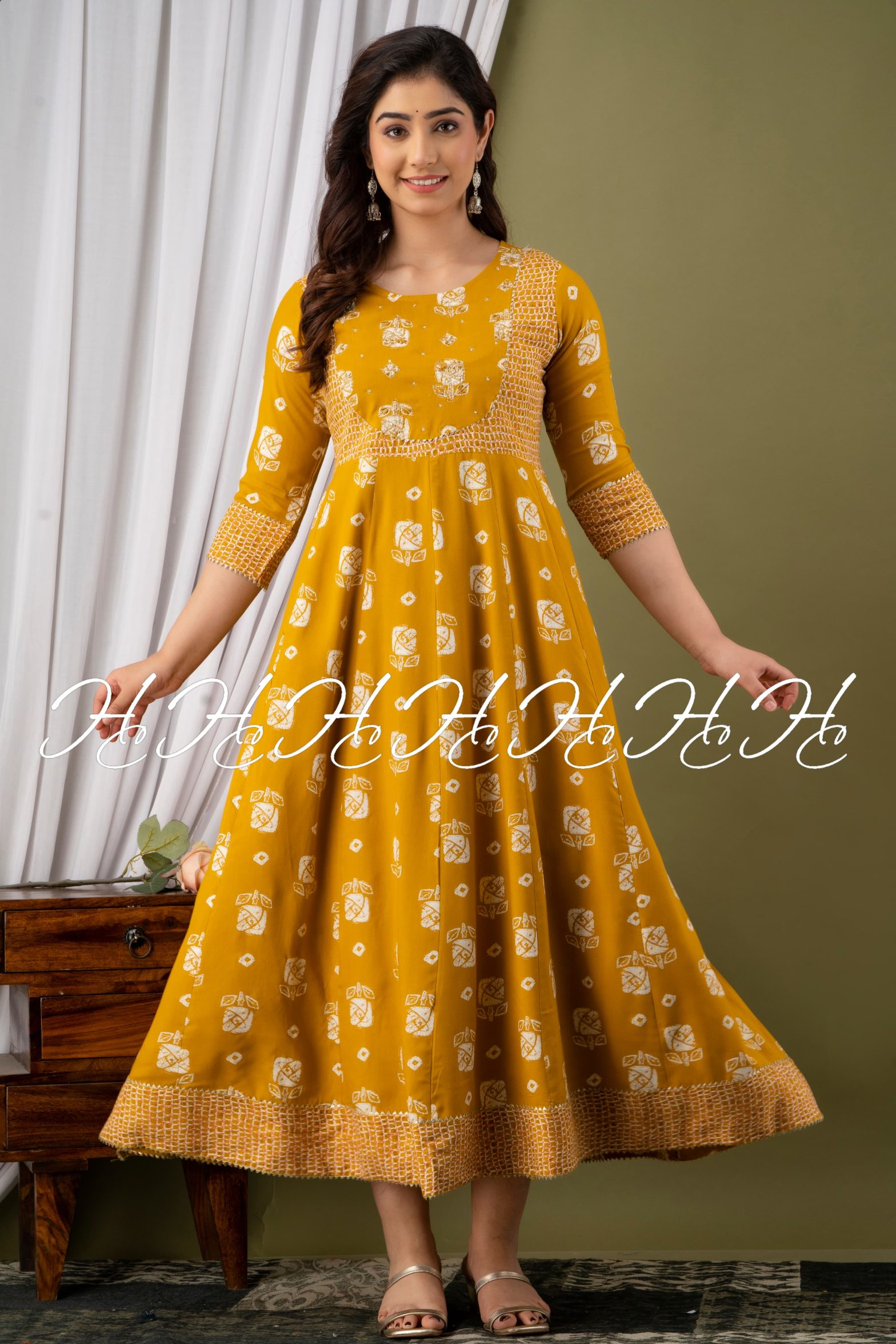
This iterative process is common when producing intricate styles like anarkali kurtis at factory price jaipur, where precision in flare, panel stitching, and embellishment placement directly affects the garment’s appeal.
Collaborative Communication
Effective communication drives successful design revisions. Kurti manufacturers maintain open dialogue with buyers throughout the revision process. They share progress updates, timelines, and feasibility insights so clients remain informed.
Manufacturers also provide expert recommendations. For instance, if a requested fabric change affects drape or durability, designers suggest alternatives that achieve a similar aesthetic without compromising performance. This collaborative approach builds trust and leads to better final products.
Flexible Production Planning
Handling revisions requires smart production scheduling. Manufacturers allocate buffer time within their workflow to accommodate design changes without disrupting large-scale operations. Production managers coordinate with cutting, stitching, and embellishment teams to adjust timelines efficiently.
A seasoned jaipur kurti manufacturer balances speed with craftsmanship. They prioritize revised orders strategically so that changes do not delay other commitments. This operational flexibility allows manufacturers to handle both bulk orders and custom revisions seamlessly.
Skilled Workforce and Craftsmanship
Kurti revisions often involve delicate craftsmanship, especially when embroidery, prints, or embellishments change. Experienced artisans play a key role in executing these updates. Manufacturers invest in training their workforce to adapt quickly to design variations while maintaining consistency.
When producing detailed garments like anarkali kurtis at factory price jaipur, artisans adjust panel cutting, embroidery layouts, and finishing techniques with precision. Their expertise ensures that revisions enhance the design rather than disrupt its balance.
Quality Assurance After Revisions
Quality control remains a top priority after implementing design changes. Manufacturers conduct multi-stage inspections to confirm that revisions align with client specifications. Inspectors verify measurements, stitching quality, color consistency, and finishing details.
This thorough evaluation prevents costly mistakes during mass production. It also reassures clients that the revised design maintains the brand’s quality standards.
Documentation and Process Learning
Professional kurti manufacturers document every revision cycle. They record feedback, technical adjustments, and production notes. This documentation creates a knowledge base that helps teams handle similar revisions more efficiently in the future.
By analyzing past revisions, manufacturers identify patterns, streamline workflows, and continuously improve their design management systems.
Balancing Creativity and Efficiency
Handling design revisions requires a balance between artistic creativity and operational discipline. Kurti manufacturers encourage designers to remain flexible while adhering to production feasibility. This balance allows them to deliver customized garments without sacrificing efficiency or cost control.
A reputable jaipur kurti manufacturer understands that revisions are part of the creative journey. Instead of resisting change, they integrate it into their workflow, ensuring that each updated design reflects both client vision and manufacturing excellence.
Conclusion
Kurti manufacturers handle design revisions through structured communication, digital tools, skilled craftsmanship, and strong quality control. They treat revisions as collaborative opportunities to refine garments and enhance customer satisfaction. Whether adjusting silhouettes or perfecting embellishments for anarkali kurtis at factory price jaipur, manufacturers rely on expertise and process discipline to deliver exceptional results.