

September 3, 2026
What Makes Veneer Adhesive and Aluminium to Aluminium Adhesive Essential for Modern Projects?
Choosing the right adhesive can make a major difference in the quality, durability, and appearance of a finished project. Different materials require different bonding solutions because every surface has its own properties. Wood veneer, for example, needs an adhesive that provides strong bonding without damaging its delicate surface. Aluminium requires a different approach because it is smooth, non-porous, and can be exposed to temperature changes and moisture.
This is where specialized products such as veneer adhesive and aluminium to aluminium adhesive become valuable. Selecting the right product helps manufacturers, furniture makers, interior designers, and fabricators achieve reliable and long-lasting results.
What Is Veneer Adhesive and Where Is It Used?
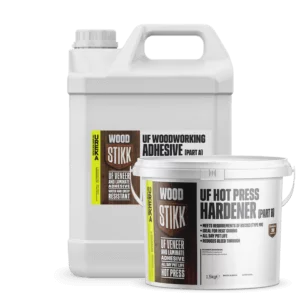
Veneer adhesive is specially formulated to bond thin sheets of natural or engineered wood veneer to substrates such as plywood, MDF, particleboard, and other furniture materials. Veneer provides an attractive wood appearance while using less solid timber, making it popular in furniture, cabinetry, wall panels, doors, and interior décor.
A suitable adhesive creates an even bond across the veneer surface. It should also provide sufficient working time for positioning the veneer before the bond sets. Depending on the application, manufacturers may choose water-based, hot-melt, contact, or reactive adhesive systems.
The correct choice depends on the substrate, pressing method, environmental conditions, and required finish. Using a compatible adhesive can reduce bubbling, lifting, warping, and other common veneer bonding problems.
Which Features Should You Look for in a Veneer Adhesive?
When choosing a veneer adhesive, consider several important factors. First, the adhesive should provide strong and uniform adhesion across the entire surface. Uneven bonding can create visible defects and reduce the service life of the finished product.
Second, the adhesive should support the production process. Manufacturers often need products that offer good spreadability, suitable open time, and fast curing or pressing characteristics. These features can improve productivity without compromising bond quality.
Moisture resistance is another important consideration, especially for furniture and panels used in humid environments. The adhesive should also maintain its performance under normal temperature fluctuations.
Finally, appearance matters. A quality adhesive should minimize bleed-through and help maintain the natural beauty of the veneer.
What Makes Aluminium Bonding Different From Wood Bonding?
Aluminium has very different characteristics from wood. Its smooth surface does not absorb adhesive easily, while oxidation can affect the bonding process. Aluminium can also expand and contract with temperature changes.
For these reasons, an ordinary adhesive may not provide the desired performance. A specialized aluminium to aluminium adhesive is designed to create a strong bond between aluminium surfaces while accommodating the demands of the application.
Surface preparation is particularly important. Fabricators may need to remove oil, dirt, dust, and other contaminants before applying the adhesive. In some applications, abrasion or a suitable surface treatment may further improve adhesion. Always follow the manufacturer’s preparation and curing instructions.
Which Applications Use Aluminium to Aluminium Adhesive?
Aluminium to aluminium adhesive is useful across many industrial and commercial applications. It can support the assembly of aluminium panels, enclosures, frames, signs, architectural components, and lightweight structures.
It is also valuable when manufacturers want to avoid traditional mechanical fastening methods. Adhesive bonding can create a cleaner appearance because it eliminates visible screws, rivets, and other fasteners in suitable applications.
In addition, adhesive bonding can distribute stress across a larger area instead of concentrating it around individual fastener points. This can be particularly useful for lightweight aluminium assemblies where appearance and weight are important considerations.
Can the Right Adhesive Improve Product Quality?
Yes. Choosing an adhesive that matches the materials and application can improve both production efficiency and finished-product performance. A suitable veneer adhesive can help create a smooth, attractive wood surface, while an effective aluminium to aluminium adhesive can provide dependable bonding for metal assemblies.
The key is to evaluate the complete application rather than selecting an adhesive based only on its initial bonding strength. Factors such as temperature, moisture, substrate condition, curing time, flexibility, load requirements, and production methods should all influence the decision.
Can Proper Surface Preparation Make a Difference?
Absolutely. Even a high-performance adhesive may fail when surfaces are poorly prepared. Wood substrates should be clean, dry, and free from dust or contaminants. Veneer should also be handled carefully to prevent deformation before bonding.
For aluminium, cleaning is especially important because oils, oxidation, and dirt can interfere with adhesion. Following the recommended preparation procedure helps the adhesive establish better contact with the substrate.
Application conditions also matter. Temperature and humidity can influence curing and handling, so manufacturers should follow the product’s technical recommendations.
What Should You Consider Before Selecting an Adhesive?
Start by identifying the materials you need to bond and the conditions in which the finished product will operate. For veneer applications, consider the type of wood, substrate, pressing method, and moisture exposure. For aluminium applications, evaluate joint design, expected loads, temperature changes, and surface preparation requirements.
It is also wise to review the manufacturer’s technical data and conduct application-specific testing before large-scale production. A small test can reveal compatibility or processing issues before they affect an entire batch.
Conclusion
The right adhesive plays an important role in producing strong, attractive, and durable assemblies. Veneer adhesive helps manufacturers achieve reliable bonds between delicate wood veneer and supporting substrates, while aluminium to aluminium adhesive offers a practical solution for joining aluminium components.
By considering material characteristics, environmental conditions, surface preparation, curing requirements, and application demands, users can select an adhesive that delivers better results. Whether you are producing premium furniture, interior panels, architectural components, or aluminium assemblies, choosing the appropriate bonding solution is an important step toward consistent product quality.