


September 3, 2026
What Should You Know Before Buying Hyperbaric Chambers for Sale?
Buying a hyperbaric chamber requires careful planning. A chamber represents a major investment, so you should understand its design, safety features, operating requirements, and long-term costs before making a decision. The right chamber can support a professional therapy environment, while the wrong choice can create unnecessary expenses and operational challenges.
When comparing hyperbaric chambers for sale, start by identifying how you plan to use the equipment. A chamber intended for a professional facility may have very different specifications from one designed for limited personal use. Your expected number of sessions, available space, staffing, and treatment goals should guide your selection.
You should also consider whether the equipment fits your local regulations and facility requirements. Proper planning helps you avoid purchasing a chamber that does not meet your operational needs.
What Types of Hyperbaric Chambers Are Available?
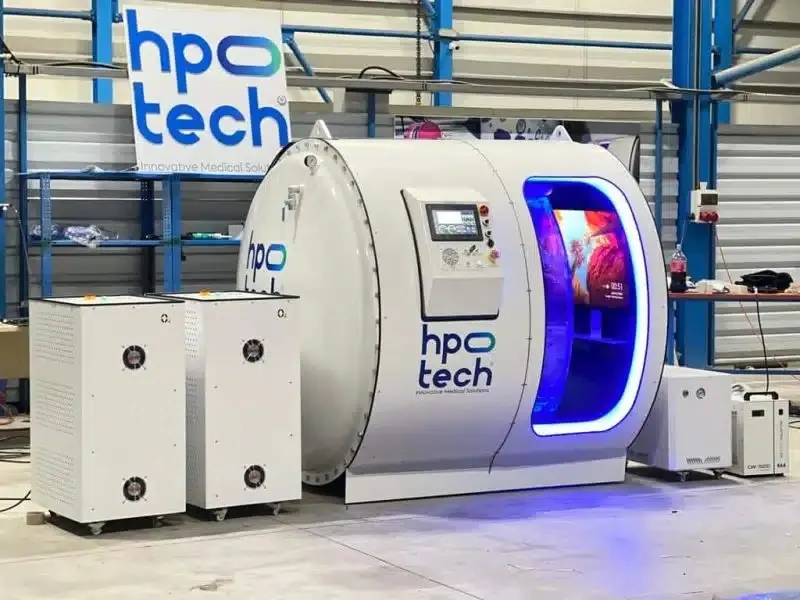
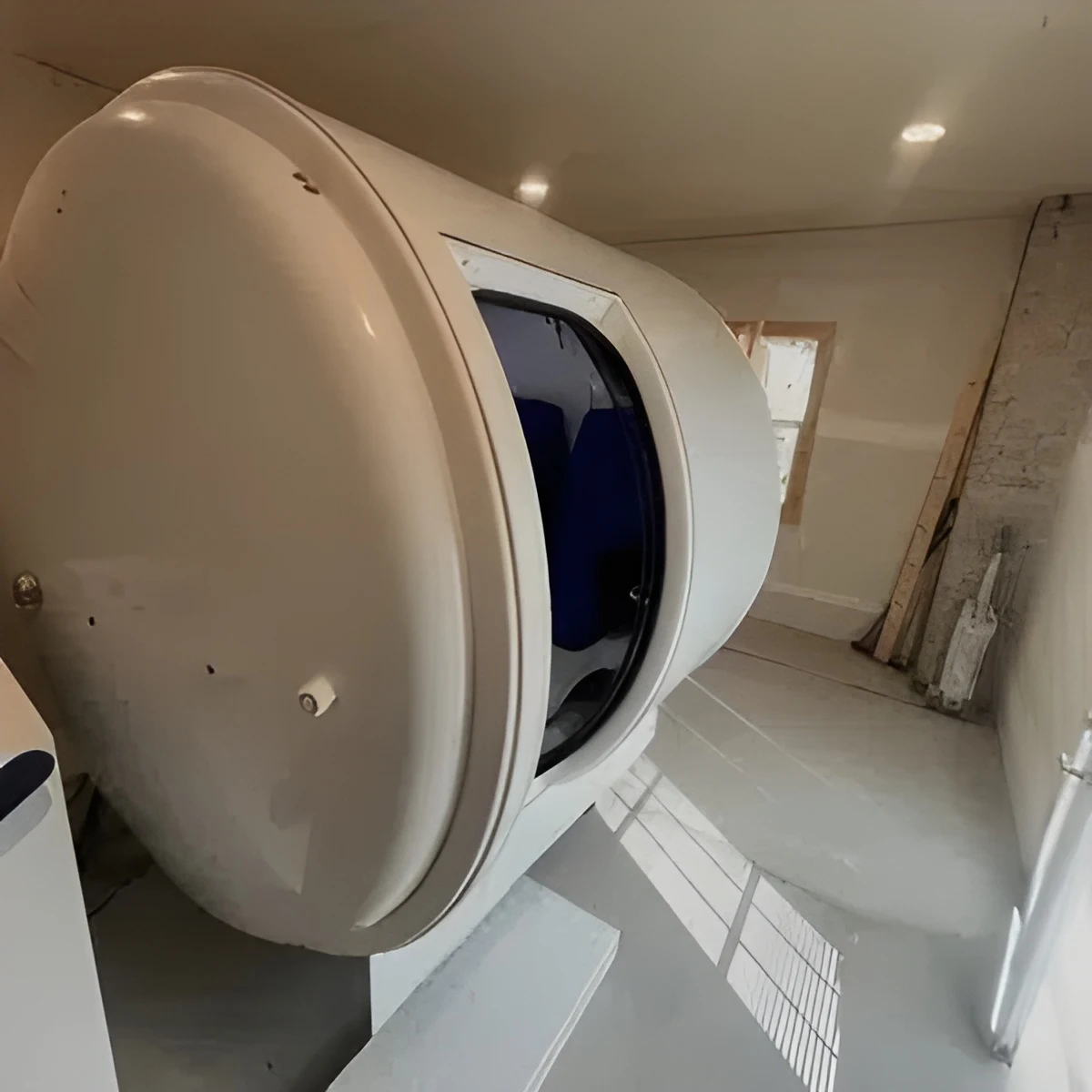
Hyperbaric chambers come in different configurations, sizes, pressure capabilities, and materials. Some chambers accommodate one person, while larger systems can accommodate multiple patients. You can also find hard-shell and soft-sided designs, depending on the intended application.
A hard chamber generally provides a rigid treatment environment and may offer higher pressure capabilities. Soft chambers typically use flexible materials and may suit specific applications where lower-pressure operation is appropriate.
Before comparing models, understand the differences between chamber types. Do not select equipment based only on appearance or price. Instead, evaluate the chamber’s specifications, construction quality, controls, ventilation, monitoring systems, and maintenance requirements.
Which Safety Features Should You Check?
Safety should remain your highest priority when purchasing a hyperbaric chamber. Ask manufacturers or suppliers about pressure-control systems, emergency release mechanisms, fire-safety provisions, communication systems, oxygen management, and monitoring equipment.
You should understand how operators control pressure during a session. The chamber should also provide clear information about pressure levels, treatment duration, and other important operating parameters.
Fire safety deserves particular attention because oxygen-rich environments can increase fire risks. Follow the manufacturer’s approved procedures and use only equipment and materials that are compatible with the chamber’s operating environment.
A quality supplier should provide clear safety documentation and operating instructions. Avoid purchasing equipment when the seller cannot explain its safety systems or provide appropriate documentation.
How Important Are Pressure Ratings and Specifications?
Pressure rating directly affects how a chamber operates and what applications it can support. However, a higher pressure rating does not automatically make one chamber better than another.
Review the manufacturer’s specifications carefully. Check the maximum operating pressure, chamber dimensions, oxygen-delivery method, electrical requirements, and environmental requirements. You should also understand which operating pressures are approved for the specific model.
Never assume that a chamber can safely operate beyond its stated specifications. Follow the manufacturer’s instructions and applicable professional standards at all times.
Why Does Chamber Size Matter?
Available space can influence your purchase as much as technical specifications. Measure the proposed installation area before ordering equipment. Consider the chamber’s length, width, height, access points, ventilation requirements, electrical connections, and space needed for operators.
You should also think about patient comfort. A chamber that feels cramped may create an uncomfortable experience, particularly during longer sessions. Larger facilities may benefit from systems that allow easier patient access and operator movement.
If you plan to expand your operation, consider future requirements before making the purchase. Choosing equipment that can support expected growth may reduce the need for an expensive replacement later.
What Should You Know About Hyperbaric Training?
Proper hyperbaric training plays an important role in safe chamber operation. Purchasing sophisticated equipment does not eliminate the need for qualified personnel. Operators should understand chamber procedures, safety protocols, emergency responses, monitoring requirements, and manufacturer-specific instructions.
Training can help staff recognize potential problems before they become serious. It can also improve consistency when operators prepare patients, conduct sessions, monitor the chamber, and complete post-treatment procedures.
Ask the supplier what training resources they provide with the equipment. Depending on your facility and local requirements, you may need additional education or certification from an appropriate training organization.
You should treat training as part of the overall investment rather than an optional expense. Well-trained personnel can help protect patients, staff, and equipment.
How Can You Evaluate the Manufacturer?
The manufacturer can affect your experience long after you complete the purchase. Research the company’s reputation, product history, technical support, documentation, warranty terms, and service network.
Ask how long the company has produced hyperbaric equipment and whether replacement parts remain available. You should also determine how the company handles technical problems and maintenance requests.
A reliable supplier should communicate clearly and provide detailed specifications. For example, Hyperbaric Business Solutions can serve as a useful reference point when researching business-focused hyperbaric equipment solutions and operational considerations.
Do not rely solely on promotional claims. Compare documentation, specifications, support options, and total ownership costs before committing to a supplier.
What Warranty and Maintenance Support Should You Expect?
Every chamber requires appropriate maintenance. Before buying, ask about scheduled inspections, replacement parts, cleaning procedures, calibration, and servicing requirements.
Read the warranty carefully. Determine which components the warranty covers, how long coverage lasts, and whether labor or transportation costs apply. Ask what happens if the equipment develops a technical issue during normal operation.
A low purchase price may become expensive if replacement parts are difficult to obtain or service support is limited. Calculate expected maintenance costs before comparing final prices.
Should You Buy New or Used Hyperbaric Chambers?
Used equipment can sometimes reduce the initial purchase price, but you should perform thorough due diligence before buying. Request the chamber’s service history, maintenance records, original specifications, and previous usage information.
Inspect the chamber for visible damage, wear, corrosion, seal problems, or outdated components. Ask whether the equipment has undergone appropriate inspections and whether replacement parts remain available.
When considering used hyperbaric chambers for sale, do not compare prices alone. A cheaper chamber can become costly if it requires major repairs or lacks reliable technical support.
If you cannot verify the equipment’s history or condition, consider the risks carefully before purchasing.
How Should You Compare Total Ownership Costs?
The purchase price represents only one part of the investment. Calculate installation expenses, training, maintenance, utilities, insurance, replacement parts, inspections, and facility modifications.
You should also consider how the chamber fits your business model. Estimate expected usage and determine whether the equipment can support your planned operating volume.
A simple cost comparison can help you make a better decision. List the initial purchase price alongside installation, training, maintenance, and expected service costs. This approach gives you a clearer picture of the chamber’s long-term value.
What Questions Should You Ask Before Making a Purchase?
Before signing an agreement, ask the supplier several practical questions:
- What pressure range does the chamber support?
- What safety systems does it include?
- What training does the manufacturer provide?
- What maintenance does the chamber require?
- How easily can replacement parts be obtained?
- What does the warranty cover?
- Who provides technical support?
- What facility requirements must you meet?
- Does the equipment comply with applicable regulations and standards?
- What are the installation and operating costs?
Clear answers can help you identify reliable suppliers and avoid unexpected problems.
How Can You Make a Confident Buying Decision?
The best purchasing decision comes from comparing safety, specifications, usability, support, training, and long-term value. Avoid choosing equipment simply because it has the lowest price or the most features.
Create a checklist based on your facility’s requirements. Compare several hyperbaric chambers for sale using the same criteria, then review the technical documentation with qualified professionals when necessary.
You should also plan for staff education and ongoing maintenance from the beginning. Hyperbaric Business Solutions can help illustrate why equipment selection should include both the chamber itself and the broader operational requirements surrounding it.
Ultimately, a hyperbaric chamber should fit your facility, staff capabilities, budget, and intended use. Careful research before purchase can help you select equipment that supports safe, efficient, and sustainable operations.