



October 8, 2026
Cadence CFD: Enhancing Engineering Design Through Advanced Simulation
In today’s competitive engineering landscape, designing efficient, reliable, and high-performing products requires more than traditional development methods. Engineers need advanced simulation technologies that can predict real-world behavior, identify potential design challenges, and accelerate innovation. Cadence CFD has become an important solution for organizations looking to perform sophisticated computational fluid dynamics (CFD) simulations across a wide range of engineering applications.
From automotive and aerospace to electronics, energy, and industrial equipment, CFD simulation helps engineers understand how fluids, heat, and gases interact with complex designs. With the right tools and expertise, companies can reduce physical prototypes, improve product performance, and make better engineering decisions earlier in the development process.
What Is Cadence CFD?
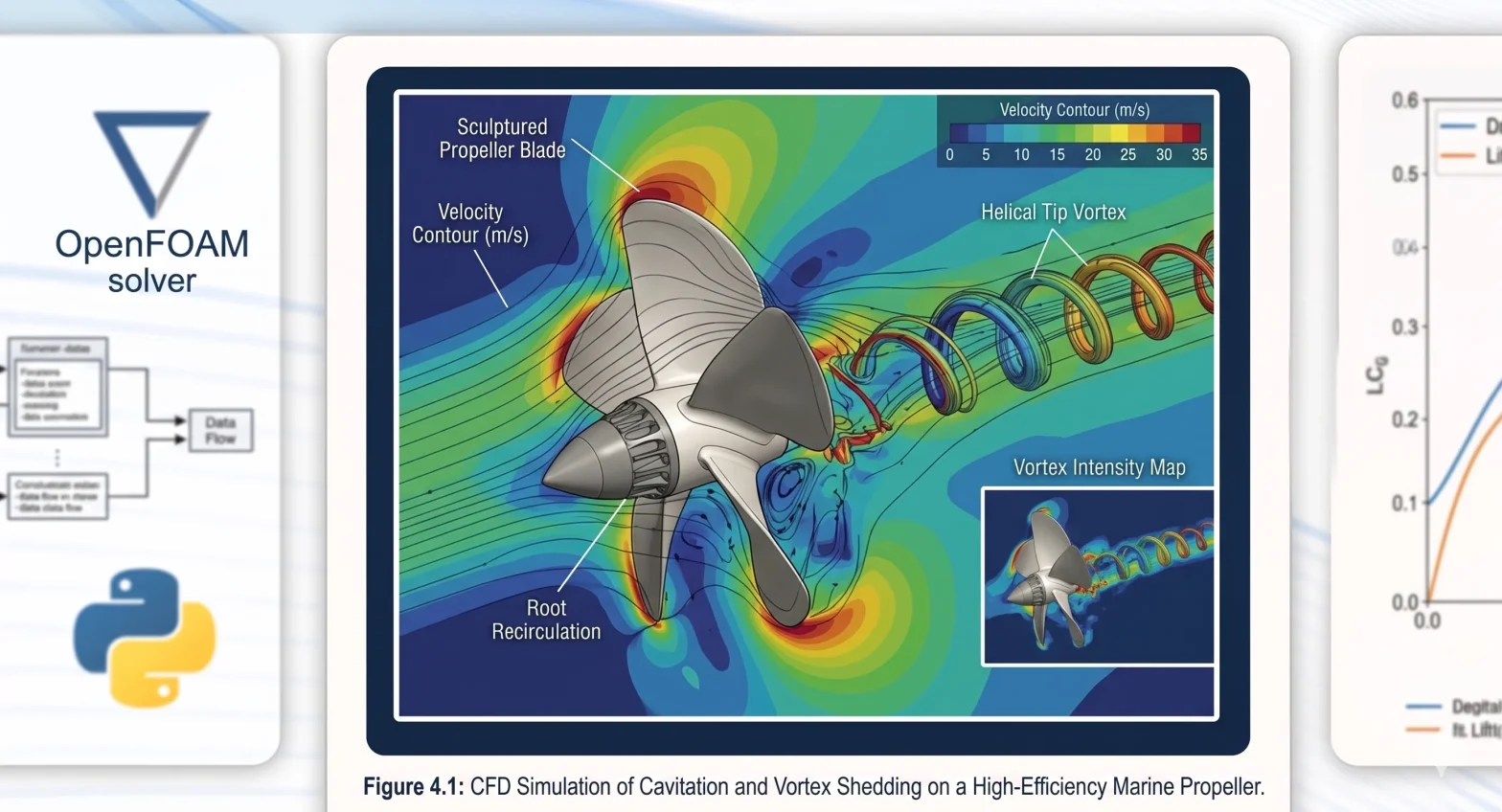
Cadence CFD refers to computational fluid dynamics solutions from Cadence that help engineers simulate and analyze fluid-flow and thermal behaviors. CFD allows engineers to create a virtual representation of a product or system and evaluate its performance under different operating conditions.
Instead of relying exclusively on expensive physical testing, engineers can use simulation to investigate important parameters such as pressure, velocity, temperature, turbulence, and heat transfer. This makes it easier to compare multiple design concepts and identify opportunities for optimization.
Cadence CFD can support complex simulation requirements while helping engineering teams streamline their workflows. By integrating simulation into the product development process, businesses can gain valuable insights before manufacturing or physical testing begins.
Why CFD Simulation Matters for Modern Engineering
Engineering products are becoming increasingly sophisticated. At the same time, organizations face pressure to reduce development cycles, control costs, and meet demanding performance requirements. CFD simulation addresses these challenges by enabling engineers to test and optimize designs virtually.
One of the major advantages of CFD is the ability to identify design problems early. For example, an automotive engineer can analyze airflow around a vehicle, while an electronics engineer can study thermal conditions around components. Identifying these issues during the design stage can prevent costly modifications later.
CFD can also help engineers evaluate numerous design variations efficiently. Rather than manufacturing several physical prototypes, teams can simulate different geometries and operating conditions to determine which concepts are most promising.
Applications of Cadence CFD
The flexibility of CFD makes it valuable across many industries.
Automotive: CFD can be used to study aerodynamics, cooling systems, underhood airflow, thermal management, and other vehicle-related applications. Better airflow and thermal performance can contribute to improved efficiency and reliability.
Aerospace: Aircraft and aerospace components require detailed analysis of airflow, pressure distribution, turbulence, and thermal behavior. CFD provides engineers with valuable information for optimizing aerodynamic performance.
Electronics: As electronic devices become smaller and more powerful, effective thermal management is essential. CFD simulations can help engineers understand heat generation and airflow, supporting the development of more effective cooling solutions.
Energy and Industrial Equipment: Turbomachinery, pumps, heat exchangers, HVAC systems, and industrial equipment can benefit from CFD analysis. Engineers can investigate flow characteristics and thermal performance to improve efficiency and reliability.
The Role of Cadence CFD Consulting
While advanced simulation software can provide powerful capabilities, obtaining accurate and useful results requires technical knowledge and appropriate methodology. This is where Cadence CFD Consulting can provide significant value.
CFD consulting services can help organizations with simulation strategy, model preparation, mesh development, solver setup, post-processing, and results interpretation. Experienced consultants can also assist with troubleshooting convergence issues and improving simulation workflows.
For companies that are new to CFD or have complex simulation requirements, working with specialists can shorten the learning curve and help avoid common mistakes. Consultants can recommend appropriate approaches based on the specific engineering objective, available computational resources, and required accuracy.
Benefits of Working With CFD Experts
Partnering with a specialized Cadence CFD Consulting team can offer several advantages. First, organizations can gain access to experienced simulation professionals without having to build a large in-house CFD team.
Second, consultants can help establish repeatable simulation workflows. A well-defined process can improve consistency across projects and make it easier for engineering teams to compare results.
Third, expert support can help organizations get more value from their simulation investment. Rather than using CFD only for basic analysis, companies can incorporate simulation into optimization, troubleshooting, design validation, and performance improvement activities.
Choosing the Right CFD Approach
Successful CFD simulation depends on more than selecting software. Engineers must understand the physics involved, define suitable boundary conditions, create an appropriate computational mesh, select suitable models, and validate the results against experimental or theoretical data whenever possible.
This is why combining advanced tools such as Cadence CFD with engineering expertise is important. A structured approach ensures that simulation results are not only visually impressive but also technically meaningful and useful for decision-making.
Conclusion
As engineering organizations continue to pursue faster development and better-performing products, simulation is becoming an essential part of the design process. Cadence CFD provides engineers with advanced capabilities for investigating fluid flow and thermal behavior across diverse applications.
However, maximizing the value of CFD requires the right combination of technology, engineering knowledge, and simulation methodology. Cadence CFD Consulting can help organizations overcome technical challenges, optimize workflows, and apply CFD more effectively to real-world engineering problems.
By integrating CFD into product development, businesses can make informed design decisions, reduce development risks, improve product performance, and accelerate innovation. Whether the goal is aerodynamic optimization, thermal management, flow analysis, or design validation, Cadence CFD can play an important role in building the next generation of high-performance engineering solutions.