

November 18, 2026
How Corrosion Testing and Corrosion Testing Lab Help Improve Material Durability and Protection
Corrosion Testing is an important process for evaluating how metals and other materials react when exposed to environmental conditions such as moisture, chemicals, oxygen, and changing temperatures. Corrosion can gradually weaken equipment, pipelines, structural components, and industrial machinery. Understanding how materials behave under different conditions helps businesses select suitable materials, improve product quality, and reduce maintenance costs. Regular testing also supports safety by identifying potential material deterioration before it becomes a serious problem.
What Is Corrosion Testing?
Corrosion testing involves examining how a material responds to conditions that may cause chemical or electrochemical deterioration. Metals such as steel, iron, aluminium, and copper can experience corrosion when exposed to particular environments.
The purpose of testing is to understand the rate, pattern, and severity of corrosion under controlled conditions. Engineers and material specialists use test results to compare materials, evaluate protective coatings, and determine whether a product is suitable for its intended application.
Corrosion testing is widely used in industries such as construction, automotive manufacturing, oil and gas, marine engineering, chemical processing, and infrastructure development. These industries often use metal components that must perform reliably over extended periods.
Why Corrosion Testing Is Important
Corrosion can affect the strength, appearance, and functionality of materials. In industrial environments, damaged components may lead to equipment failures, unexpected shutdowns, leakage, or expensive repairs.
Testing helps identify materials that are more resistant to specific environmental conditions. It also allows manufacturers to evaluate whether protective treatments and coatings provide the expected level of protection.
For infrastructure projects, corrosion assessment is particularly important because metal structures, reinforcement, and pipelines may remain in service for many years. Understanding corrosion behaviour can support better material selection and maintenance planning.
Common Types of Corrosion
Corrosion can occur in several forms, depending on the material and surrounding environment. Uniform corrosion affects a relatively even area of a metal surface, gradually reducing its thickness.
Pitting corrosion creates small, localized holes that can penetrate deeply into a material. Although the affected surface area may appear limited, the damage can be significant.
Crevice corrosion can develop in narrow spaces where moisture and chemicals become trapped. Galvanic corrosion may occur when two different metals are electrically connected in the presence of an electrolyte.
Stress corrosion cracking involves the combined effects of tensile stress and a corrosive environment. Identifying the type of corrosion is important because different forms may require different prevention and repair methods.
How a Corrosion Testing Lab Supports Material Protection
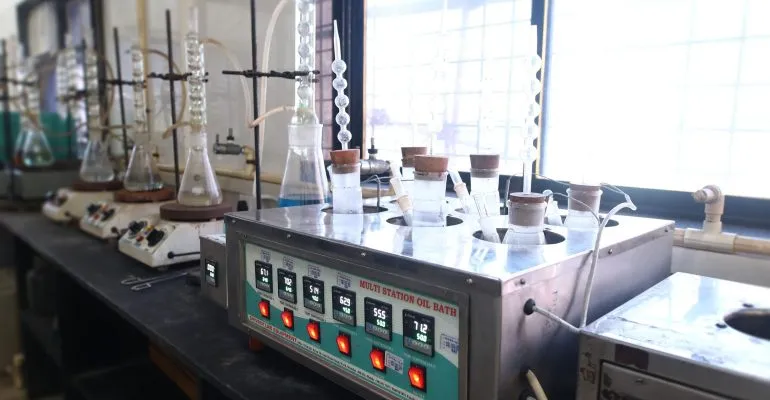
A Corrosion Testing Lab provides controlled testing facilities where materials can be examined for their resistance to corrosion. Laboratories use specialized equipment and established procedures to expose samples to selected environmental conditions.
One commonly used method is salt spray testing, which evaluates how materials or coatings respond to a controlled salt-containing atmosphere. Other methods may include immersion testing, electrochemical measurements, and exposure tests using specific chemicals or environmental conditions.
The appropriate method depends on the material, application, and testing objective. Laboratory results can help manufacturers compare different materials, evaluate protective coatings, and investigate possible causes of material deterioration.
Corrosion Testing Methods Used in Industries
Salt spray testing is commonly used to evaluate the corrosion resistance of coated and uncoated metal samples. It creates a controlled environment that helps assess how a material responds to salt exposure.
Immersion testing involves placing a sample in a selected liquid or chemical solution for a defined period. This method can help evaluate material behaviour in environments involving water, chemicals, or industrial fluids.
Electrochemical testing measures the electrical characteristics associated with corrosion reactions. These measurements can provide information about corrosion behaviour and the effectiveness of protective systems.
Visual examination and weight-loss measurements may also be used to assess corrosion damage. The testing method should always be selected according to the material and relevant industry standards.
Benefits of Regular Corrosion Assessment
Regular corrosion assessment can help businesses identify material deterioration before it causes major operational problems. It supports preventive maintenance by providing information about the condition and performance of materials.
Manufacturers can use testing results to improve product design and select suitable protective coatings. Construction companies may use corrosion assessments to understand the durability of metal components and reinforcement systems.
Testing can also support quality assurance by verifying whether materials meet specified performance requirements. This is particularly important for products used in demanding industrial and environmental conditions.
Choosing the Right Laboratory
Selecting a suitable laboratory requires attention to its technical capabilities, equipment, testing procedures, and staff expertise. Businesses should confirm whether the facility can perform the specific corrosion tests required for their materials and applications.
It is also important to check whether the laboratory follows recognized testing standards and has relevant accreditation for the required testing scope. A clear report should explain the testing method, sample details, observations, and results.
Before submitting samples, discuss the testing purpose, expected duration, sample preparation requirements, and reporting format. This helps ensure that the assessment provides useful information for engineering and quality-control decisions.
Conclusion
Corrosion testing plays a valuable role in understanding material durability and preventing premature deterioration. By evaluating how metals and protective coatings respond to different environments, businesses can make informed decisions about material selection, product quality, and maintenance. Working with a capable laboratory and choosing suitable testing methods can help improve reliability, reduce unexpected failures, and support the long-term performance of industrial and construction materials.