




September 17, 2026
How Does Hyperbaric Chamber Certification Ensure Patient Safety?
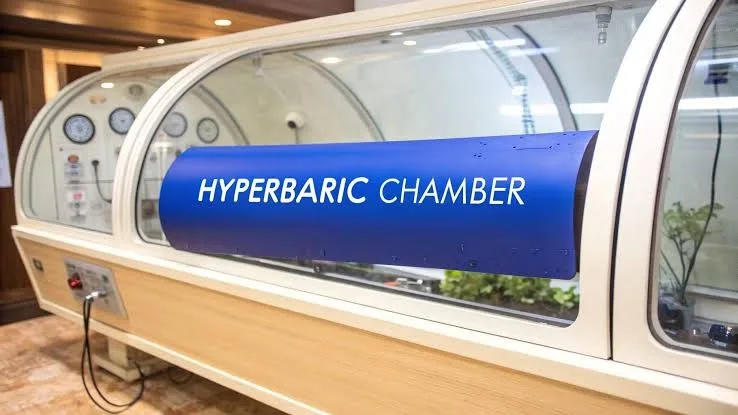
Hyperbaric oxygen therapy uses increased atmospheric pressure to help patients breathe oxygen in a controlled environment. Because this treatment involves pressure, oxygen concentration, specialized equipment, and trained personnel, safety must remain a top priority. Hyperbaric chamber certification provides an important framework for verifying that equipment, installation, operation, and safety procedures meet established requirements.
Healthcare facilities that operate a chamber should treat certification as more than a paperwork requirement. Proper certification supports safer operation, routine maintenance, emergency preparedness, and staff accountability. Whether a facility operates a small chamber or a commercial hyperbaric chamber, following recognized safety requirements can help reduce operational risks and protect patients and staff.
Why Is Hyperbaric Chamber Certification Important?
A hyperbaric chamber creates an environment that differs significantly from a normal treatment room. Pressure changes affect how the chamber operates and how patients and staff interact with the equipment. Certification helps confirm that important components have been evaluated against applicable technical and safety requirements.
Certification may address areas such as chamber construction, pressure systems, electrical components, oxygen management, fire prevention, emergency systems, and operating procedures. These requirements help facilities identify potential hazards before they affect patient care.
Certification also encourages healthcare providers to maintain consistent safety practices. Instead of relying only on informal procedures, staff can follow documented standards and inspection requirements.
How Does Certification Check Chamber Construction?
The physical construction of a hyperbaric chamber plays a major role in patient safety. A certified system should be designed and manufactured according to appropriate engineering and regulatory requirements.
Inspectors or qualified professionals may evaluate pressure vessels, viewing windows, doors, seals, valves, piping, gauges, and other critical components. These inspections help verify that the chamber can safely withstand its intended operating conditions.
A facility should also maintain documentation related to the chamber’s design, installation, testing, and maintenance. This information creates a useful record for future inspections and servicing.
For a commercial hyperbaric chamber, proper construction and installation become particularly important because the system may support frequent treatments and multiple operational requirements.
How Does Certification Address Oxygen and Fire Safety?
Oxygen-rich environments require careful fire prevention. Oxygen itself does not burn, but it can significantly increase the intensity of combustion. For this reason, hyperbaric facilities must control ignition sources and carefully manage materials used around the chamber.
Hyperbaric chamber certification supports safety by requiring attention to oxygen-compatible components, electrical equipment, cleaning materials, furnishings, and other items used near the treatment environment.
Facilities should also establish clear rules regarding prohibited items. Staff training can help prevent patients from bringing unsuitable electronics, personal products, or other materials into the chamber.
Fire prevention procedures should work alongside emergency response plans. Staff need to understand how to respond if smoke, equipment malfunction, or another emergency occurs during treatment.
How Does Certification Support Equipment Testing?
Regular testing helps identify problems before equipment failure affects treatment. Certification programs and applicable standards can establish inspection or testing requirements for important chamber systems.
Technicians may evaluate pressure gauges, alarms, communication systems, valves, oxygen delivery equipment, emergency controls, and other components. Facilities should document completed inspections and repairs.
Routine testing also helps healthcare organizations identify components that require replacement or professional servicing. A chamber should never be treated as maintenance-free simply because it has passed an earlier certification process.
A properly maintained commercial hyperbaric chamber requires an ongoing safety program that combines manufacturer instructions, applicable regulations, professional inspections, and facility procedures.
Why Is Staff Training Part of Patient Safety?
Even well-designed equipment depends on properly trained personnel. Staff members need to understand chamber controls, treatment procedures, contraindications, emergency protocols, communication systems, and basic safety practices.
Training should also prepare staff to recognize unusual conditions during treatment. Patients may have questions, experience discomfort, or require assistance while inside the chamber. Clear communication procedures allow staff to respond efficiently.
Facilities should provide appropriate training before allowing personnel to operate specialized equipment independently. Refresher training can also help employees stay familiar with procedures they may not use every day.
At Atlanta Hyperbaric Center, a strong safety culture can complement equipment certification by emphasizing preparation, documentation, communication, and consistent operating practices.
How Does Certification Help With Emergency Preparedness?
Emergency planning represents another important part of hyperbaric safety. Facilities should prepare for situations such as power interruptions, communication failures, equipment malfunctions, medical emergencies, and other unexpected events.
A safety-focused facility develops written procedures that explain how staff should respond. Employees should know their responsibilities before an emergency occurs rather than attempting to determine procedures under pressure.
Emergency systems should also undergo appropriate testing. Communication equipment, alarms, backup systems, and emergency controls need regular attention to ensure they remain operational.
Drills can help staff practice these procedures and identify gaps in their emergency plans. Documentation from drills and inspections can further support continuous improvement.
How Does Certification Improve Maintenance Practices?
A certification program can encourage facilities to maintain detailed records for inspections, repairs, servicing, and equipment testing. These records create a history of the chamber’s condition and maintenance activities.
Preventive maintenance can help detect worn seals, faulty gauges, damaged components, or other issues before they become serious problems. Facilities should follow the manufacturer’s maintenance instructions and use qualified technicians for specialized work.
Maintenance should never be delayed simply because the chamber appears to function normally. Some equipment problems may not be visible during routine use.
Regular professional inspections provide another layer of protection and help confirm that critical systems continue to operate as intended.
What Should Facilities Consider Before Buying a Commercial Hyperbaric Chamber?
Healthcare organizations should evaluate safety requirements before purchasing a chamber rather than treating certification as an afterthought. Buyers should review the manufacturer’s documentation, applicable standards, installation requirements, maintenance needs, training provisions, and available technical support.
Facilities should also consider whether their building can accommodate the chamber and its supporting systems. Electrical infrastructure, ventilation, oxygen supply, emergency access, room configuration, and staff workflow can all affect safe operation.
A qualified professional can help the facility determine which requirements apply to its intended installation and treatment model.
Atlanta Hyperbaric Center can use these principles to develop a structured approach that connects equipment selection, staff training, maintenance, emergency planning, and patient safety.
How Can Patients Benefit From a Certified Hyperbaric Environment?
Patients benefit when healthcare facilities create a controlled and well-maintained treatment environment. Certification does not guarantee that every possible risk will disappear, but it provides an important framework for managing equipment and operational hazards.
Patients should receive appropriate information before treatment and should be encouraged to communicate any concerns with qualified healthcare professionals. Staff can then provide instructions specific to the patient’s treatment and facility procedures.
A safe hyperbaric program combines certified equipment with qualified professionals, appropriate patient screening, careful monitoring, regular maintenance, and effective emergency planning.
What Role Does Ongoing Compliance Play in Hyperbaric Safety?
Certification should not be viewed as a one-time achievement. Hyperbaric equipment requires continuing attention throughout its service life. Facilities need to keep up with inspections, maintenance, staff training, documentation, and applicable regulatory requirements.
Standards and local requirements can change, so healthcare organizations should periodically review their safety programs. They should also address manufacturer updates and recommendations when applicable.
Ongoing compliance helps create a culture where safety becomes part of everyday operations rather than a task completed only before an inspection.
How Does Hyperbaric Chamber Certification Support Safer Patient Care?
Hyperbaric chamber certification supports patient safety by encouraging facilities to verify equipment, manage oxygen-related hazards, train personnel, maintain critical systems, and prepare for emergencies. It provides a structured approach to operating specialized pressure equipment responsibly.
For healthcare organizations considering a commercial hyperbaric chamber, certification and ongoing compliance should remain central considerations from installation through daily operation. When facilities combine certified equipment with trained staff, preventive maintenance, documented procedures, and effective emergency planning, they create a more controlled environment for hyperbaric oxygen therapy.
Ultimately, patient safety depends on consistent attention to every part of the treatment process. Certification provides an important foundation, while responsible operation and continuous oversight help turn that foundation into an effective safety program.