

November 5, 2026
How to Design a Wildlife Sanctuary with Sustainable Greenhouse Glass Construction
Wildlife conservation and sustainable architecture play an important role in protecting the environment and maintaining ecological balance. As natural habitats continue to face challenges due to urbanisation, deforestation, and climate change, creating protected spaces for wildlife has become increasingly important. A well-planned wildlife sanctuary not only provides a safe environment for animals and birds but also supports biodiversity and environmental education.
One of the most effective ways to create an environmentally friendly sanctuary is to combine thoughtful landscape planning with modern construction techniques. In particular, Design Wildlife Sanctuary concepts and Greenhouse Glass Construction can work together to create sustainable spaces that support wildlife, encourage plant growth, and promote environmental awareness.
1. Understanding the Importance of Wildlife Sanctuary Design
A wildlife sanctuary is more than just a protected area. It is a carefully planned ecosystem where animals, birds, insects, and plants can coexist naturally. Effective sanctuary planning begins with understanding the local environment, wildlife species, vegetation, soil conditions, and water resources.
When planning to Design Wildlife Sanctuary spaces, architects and environmental planners should prioritise natural habitat preservation. Existing trees, water bodies, grasslands, and vegetation should be protected wherever possible.
A successful sanctuary design should include:
- Natural habitats suitable for different wildlife species.
- Protected breeding and nesting areas.
- Clean water sources and feeding zones.
- Native plants and trees that support biodiversity.
- Safe pathways for visitors and researchers.
- Dedicated conservation and educational spaces.
These elements help create a balanced environment where wildlife can thrive without unnecessary human interference.
2. Integrating Greenhouse Glass Construction into Sanctuary Planning
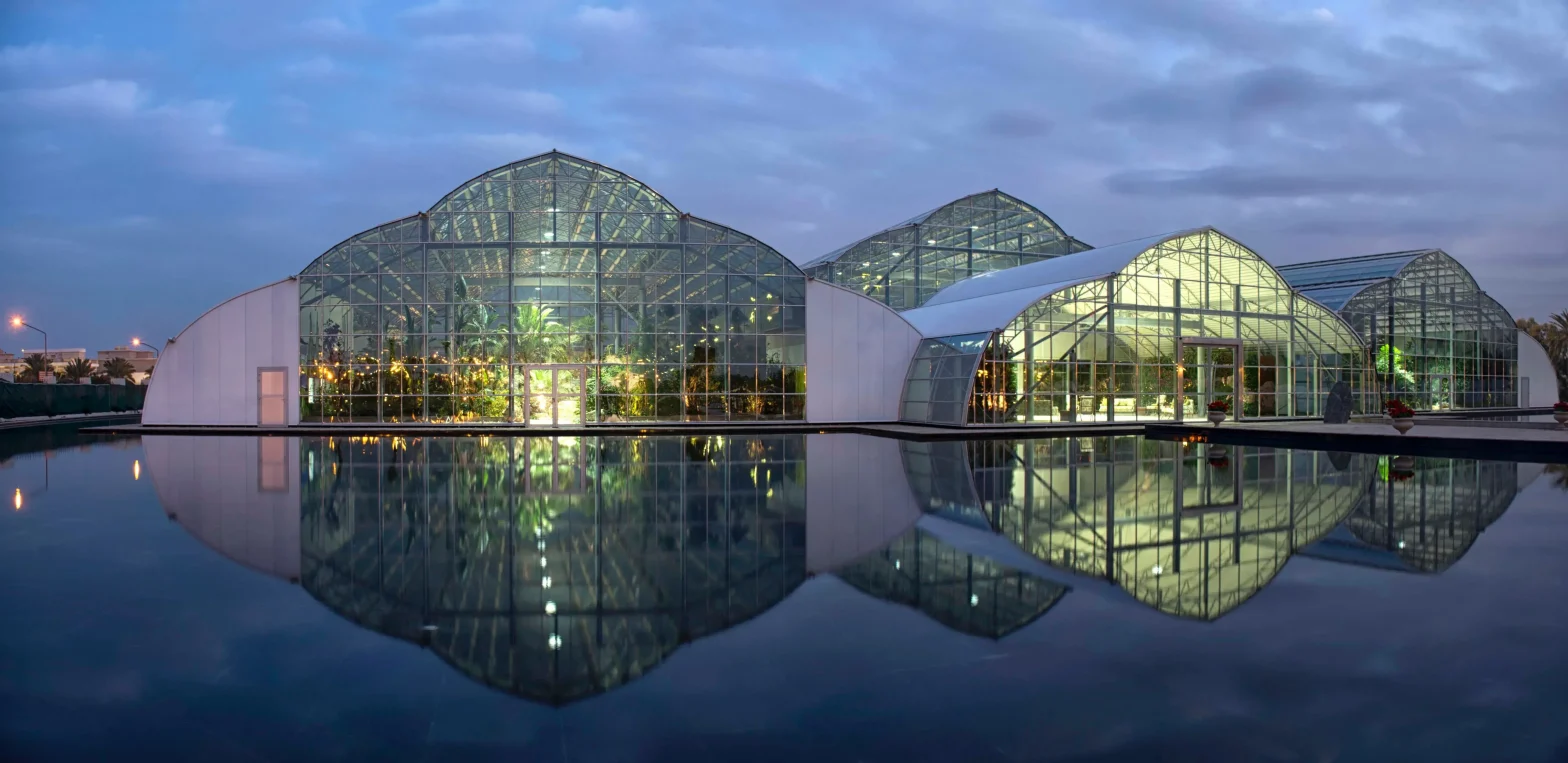
Modern construction technology offers several opportunities to improve environmental sustainability. Greenhouse Glass Construction is one such approach that can support controlled plant cultivation, botanical research, and ecological education within wildlife sanctuaries.
Glass greenhouses allow natural sunlight to enter while providing a controlled environment for growing plants. They can be used to cultivate native plant species, preserve rare vegetation, and develop nurseries for habitat restoration projects.
For example, a wildlife sanctuary can include a dedicated greenhouse facility where conservationists grow indigenous plants that are later introduced into degraded natural habitats.
Some important benefits include:
- Better control over temperature and humidity.
- Increased availability of natural sunlight.
- Opportunities for year-round plant cultivation.
- Support for native plant conservation.
- Dedicated research and educational facilities.
However, greenhouse structures should be carefully located away from sensitive wildlife habitats to avoid unnecessary disturbance.
3. Choosing the Right Location and Landscape
Location plays a significant role in the success of any wildlife sanctuary. Before beginning construction, it is essential to conduct environmental assessments and understand the natural characteristics of the site.
The selected location should provide sufficient space for wildlife movement, vegetation growth, and water conservation. Areas containing natural forests, wetlands, grasslands, or other valuable ecosystems should be preserved.
For greenhouse construction, planners should identify a separate area with suitable sunlight, proper drainage, and convenient access to water.
A well-organised master plan can divide the sanctuary into different zones, including wildlife habitats, conservation areas, visitor facilities, research centres, and greenhouse spaces.
This approach ensures that development activities do not interfere with the natural behaviour of animals.
4. Using Sustainable Materials and Construction Techniques
Sustainability should remain a priority throughout the sanctuary development process. Choosing environmentally responsible construction materials can reduce the project’s overall environmental impact.
For Greenhouse Glass Construction, high-quality safety glass, durable aluminium framing, energy-efficient ventilation systems, and suitable shading solutions can improve performance and longevity.
Other sustainable construction practices include:
- Using recycled and locally sourced materials.
- Installing rainwater harvesting systems.
- Incorporating solar energy wherever practical.
- Using natural ventilation and daylight.
- Minimising construction waste.
- Protecting existing trees and vegetation.
These measures can reduce resource consumption while creating functional and environmentally responsible infrastructure.
5. Creating a Wildlife-Friendly Greenhouse Environment
Although greenhouses are primarily designed for plant cultivation, they can also contribute to conservation education and ecological research.
A thoughtfully designed greenhouse can feature native flowering plants, medicinal vegetation, and species that attract beneficial pollinators. It can become a valuable educational space where visitors learn about plant diversity, climate conditions, and habitat restoration.
However, it is important to prevent wildlife from becoming trapped or exposed to unsuitable greenhouse conditions. Appropriate glazing, safe access points, and wildlife-sensitive lighting should be considered during planning.
Greenhouse facilities should also avoid introducing invasive plant species that could negatively affect the surrounding ecosystem.
6. Improving Visitor Experience Through Eco-Friendly Design
Wildlife sanctuaries also provide opportunities for environmental education and responsible tourism. Visitors should be able to explore the sanctuary without disturbing its natural inhabitants.
Designers can incorporate observation decks, nature trails, educational displays, and designated viewing areas. These facilities should be located strategically to minimise noise and human interaction with sensitive wildlife.
Greenhouse spaces can serve as educational attractions where visitors discover sustainable agriculture, native plant species, and the importance of biodiversity.
Using clear signage and guided educational programmes can encourage visitors to become more environmentally responsible.
7. Long-Term Maintenance and Environmental Management
A successful sanctuary requires continuous monitoring and maintenance. Wildlife populations, vegetation health, water quality, and habitat conditions should be regularly evaluated.
Greenhouse facilities also require proper maintenance, including glass cleaning, ventilation checks, irrigation management, and temperature monitoring.
Regular environmental assessments help identify potential problems early and ensure that the sanctuary continues to meet its conservation objectives.
Working with wildlife experts, landscape architects, environmental consultants, and greenhouse construction professionals can further improve the project’s long-term success.
Conclusion
Creating a sustainable wildlife sanctuary requires a thoughtful combination of ecological understanding, responsible architecture, and modern construction practices. By focusing on natural habitat preservation and integrating Greenhouse Glass Construction, developers can create spaces that support biodiversity, plant conservation, and environmental education.
A well-planned approach to Design Wildlife Sanctuary projects ensures that infrastructure complements nature rather than replacing it. With sustainable materials, careful zoning, and long-term environmental management, wildlife sanctuaries can become valuable centres for conservation and ecological awareness.
Ultimately, the goal is to create an environment where wildlife and nature receive the protection they deserve while people gain a better understanding of the importance of preserving our planet.