

September 19, 2026
Plastic Adhesive and Brick Slip Adhesive: Choosing the Right Adhesive for Your Project
Adhesives play an important role in construction, manufacturing, repair, and renovation projects. Choosing the right adhesive can make a significant difference to the strength, durability, and appearance of the finished application. Two products commonly used for different purposes are plastic adhesive and brick slip adhesive. While both are designed to create strong bonds, they are formulated for different materials and applications.
Understanding the characteristics and uses of these adhesives can help professionals, DIY enthusiasts, builders, and renovators select the most suitable product for their specific requirements.
What Is Plastic Adhesive?
Plastic adhesive is a specially formulated bonding solution designed to join plastic surfaces. Since plastics vary considerably in their chemical composition and surface properties, selecting an adhesive that is compatible with the particular type of plastic is essential.
Plastic adhesives can be used for a wide range of applications, including household repairs, automotive components, industrial products, furniture, electrical items, packaging, and plastic fabrication. Depending on the formulation, these adhesives may provide excellent resistance to moisture, temperature changes, impact, and everyday wear.
One of the key benefits of plastic adhesive is its ability to create a reliable bond without the need for mechanical fasteners such as screws or clips. This can result in a cleaner and more attractive finish while also simplifying the assembly process.
Before applying a plastic adhesive, the surfaces should generally be clean, dry, and free from grease, dust, or other contaminants. Proper surface preparation can significantly improve adhesion and long-term performance.
Common Applications of Plastic Adhesive
Plastic adhesive can be used in both professional and everyday applications. Some common uses include:
- Repairing broken plastic components
- Bonding plastic panels and sheets
- Manufacturing plastic products
- Automotive interior and exterior components
- Joining plastic fittings and accessories
- Household and DIY repairs
- Craft and model-making projects
Different plastic materials may require different adhesive technologies. For example, an adhesive suitable for rigid plastics may not provide the same results on flexible or low-surface-energy plastics. Therefore, checking product specifications and compatibility before use is important.
What Is Brick Slip Adhesive?
Brick slip adhesive is designed specifically for fixing brick slips to walls and other suitable surfaces. Brick slips are thin sections of brick used to create the appearance of traditional brickwork without the weight and depth associated with full-size bricks.
Brick slips are increasingly used for interior feature walls, exterior façades, fireplaces, commercial spaces, extensions, and renovation projects. They offer an effective way to achieve a traditional brick finish while providing greater flexibility in design.
A suitable brick slip adhesive needs to provide strong and durable adhesion while supporting the weight of the brick slips. It should also be appropriate for the intended substrate and environmental conditions.
Benefits of Using Brick Slip Adhesive
Using a purpose-designed brick slip adhesive offers several advantages. It can help provide a secure bond between the brick slip and the wall surface while making installation more efficient.
Some key benefits include:
- Strong and reliable bonding
- Suitable for many brick slip installation systems
- Easier and cleaner application
- Support for long-lasting wall finishes
- Reduced need for mechanical fixing in suitable applications
- Compatibility with various interior and exterior projects
The correct adhesive can also help maintain the alignment and positioning of brick slips during installation. This is particularly important when creating large feature walls where consistency and appearance are essential.
Plastic Adhesive vs. Brick Slip Adhesive
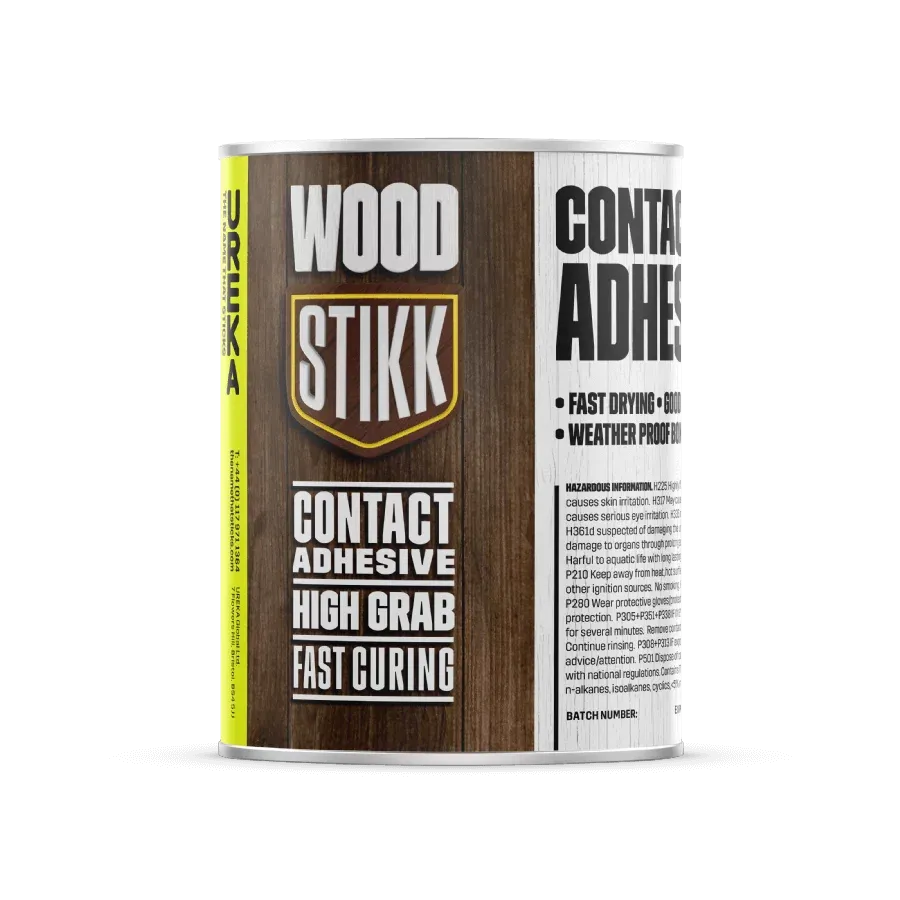
Although both products are adhesives, plastic adhesive and brick slip adhesive should not generally be considered interchangeable. Their formulations are developed to meet the requirements of different materials.
Plastic adhesive focuses on creating a bond between plastic surfaces, while brick slip adhesive is formulated to attach brick slips to appropriate wall substrates. Factors such as material composition, weight, flexibility, environmental exposure, and application method all influence adhesive performance.
For this reason, it is important to select an adhesive based on the material being bonded rather than simply choosing a product based on its general bonding strength.
How to Choose the Right Adhesive
When selecting an adhesive, consider several factors. First, identify the materials you need to bond. Next, consider whether the application is indoors or outdoors and whether the bonded area will be exposed to moisture, heat, chemicals, or movement.
Application method is another important consideration. Some adhesives are supplied in cartridges or tubes, while others may require mixing before use. Always follow the manufacturer’s instructions regarding surface preparation, application thickness, curing time, and safety precautions.
For brick slip installations, the condition of the substrate is especially important. A clean, stable, and appropriately prepared surface can help ensure better adhesion and a more durable finish.
Conclusion
Choosing the right adhesive is essential for achieving a strong, durable, and professional result. Plastic adhesive is a practical solution for bonding compatible plastic materials across a variety of repair, manufacturing, and DIY applications. Meanwhile, brick slip adhesive is specifically designed to help secure brick slips to suitable surfaces and create attractive brick-effect finishes.
By understanding the differences between these products and considering factors such as material compatibility, environmental conditions, surface preparation, and application requirements, you can select the adhesive that best matches your project. Always consult the manufacturer’s technical guidance to ensure the chosen adhesive is suitable for your intended application.