



October 16, 2026
Residential Extensions Scotland: Why Quality Construction and Reliable Drainage Work Matter
Homeowners across Scotland are increasingly looking for practical ways to improve their living spaces without the expense and disruption of moving to a new property. Whether you need an extra bedroom, a larger kitchen, a home office, or an open-plan living area, extending your home can be an excellent investment. However, successful home improvements require more than attractive designs and quality materials. Proper planning, structural work, and effective drainage are equally important.
When considering Residential Extensions Scotland, it is essential to work with experienced professionals who understand local building requirements and construction standards. Similarly, reliable Drainage Work Scotland is crucial for protecting your property from water damage, dampness, and costly future repairs.
Understanding the Benefits of Residential Extensions in Scotland
A residential extension provides an opportunity to create additional space that suits your family’s changing needs. Instead of relocating, you can transform your existing property into a more comfortable and functional home.
One of the biggest advantages of extending your home is the ability to customise the layout. A single-storey extension can create a spacious kitchen or dining area, while a double-storey extension may provide additional bedrooms and bathrooms. Home offices, utility rooms, and accessible ground-floor living spaces are also popular choices.
Another benefit is the potential to increase property value. A thoughtfully designed extension can make your home more appealing to prospective buyers, particularly when it improves natural lighting, energy efficiency, and the overall use of available space.
When planning Residential Extensions Scotland, homeowners should consider the property’s existing structure, available garden space, access requirements, and the architectural character of the surrounding area. These factors help ensure the finished extension complements the original building.
Planning Your Residential Extension Project
Careful planning is essential for achieving a successful construction project. Before work begins, establish a realistic budget, determine your requirements, and consult qualified construction professionals.
Depending on the size, location, and design of your proposed extension, planning permission or a building warrant may be required. Scottish building regulations differ from those in other parts of the UK, so it is important to check the relevant requirements with your local authority and obtain the necessary approvals before starting work.
Choosing suitable materials is another important consideration. Scotland’s climate can bring heavy rainfall, strong winds, and cold temperatures. High-quality insulation, appropriate roofing systems, effective weatherproofing, and suitable external finishes can help protect your extension and improve year-round comfort.
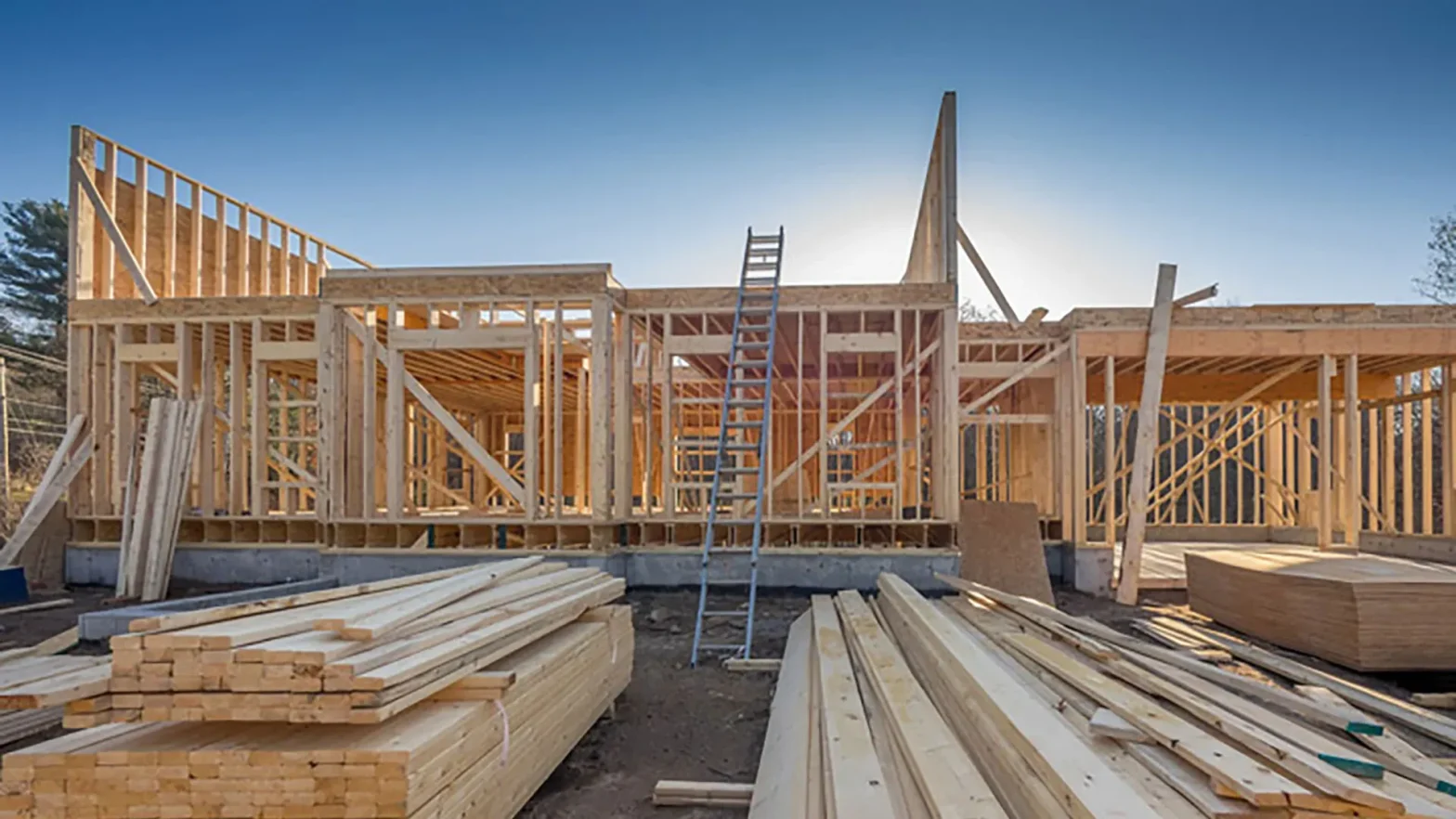
Working with an experienced contractor can simplify the process, from initial design and groundwork to structural construction and final finishing. Professional project management also helps coordinate different trades and reduce avoidable delays.
Why Drainage Work in Scotland Is Essential
Drainage is one of the most important aspects of any residential construction project, although it is sometimes overlooked during the early planning stages.
Scotland experiences frequent rainfall, making effective surface water management particularly important. Poor drainage can lead to standing water around foundations, damp walls, erosion, unpleasant odours, and damage to landscaping. In more serious cases, drainage problems can affect the stability and long-term condition of a property.
Professional Drainage Work Scotland helps ensure wastewater and rainwater are managed appropriately. Depending on the site and project requirements, drainage services may include installing underground drainage pipes, repairing damaged drains, connecting suitable systems, improving surface water drainage, and installing soakaways where appropriate.
Before beginning an extension, contractors should assess existing drainage routes and identify underground pipes, manholes, inspection chambers, and other relevant infrastructure. This assessment can help prevent accidental damage and identify any alterations needed to accommodate the new building.
A well-designed drainage system supports the performance of the extension while reducing the risk of future maintenance issues.
Integrating Drainage into Residential Extension Projects
Residential extensions and drainage improvements should be planned together rather than treated as separate projects. Integrating both elements from the beginning can save time, reduce disruption, and help avoid expensive changes later.
For example, extending a kitchen or bathroom may increase the demand on existing wastewater pipework. A qualified professional can assess whether the current system is suitable or whether modifications are necessary.
Similarly, adding an extension to a garden may change how rainwater flows across the property. New roofs, paved areas, and driveways can increase surface runoff, making appropriate drainage solutions essential.
Professional Drainage Work Scotland should account for ground conditions, drainage capacity, property levels, and applicable regulations. Depending on the circumstances, solutions may include channel drains, suitable rainwater systems, permeable paving, or properly designed soakaways.
Where a property is located in an area with a higher flood risk, additional assessment may be necessary to identify suitable preventative measures.
Choosing the Right Construction and Drainage Professionals
Selecting a reliable contractor is an important step towards achieving lasting results. Look for professionals with relevant residential construction experience, suitable qualifications, appropriate insurance, and a clear understanding of Scottish building requirements.
Ask for examples of previous projects, detailed quotations, realistic timescales, and information about the materials and methods they intend to use. It is also sensible to establish who will coordinate building work, drainage installation, inspections, and any required approvals.
A trustworthy contractor should explain the proposed work clearly, highlight potential challenges, and communicate throughout the project. Written agreements and transparent pricing can help prevent misunderstandings and keep the work organised.
Conclusion
Investing in a home extension can improve comfort, functionality, and long-term property appeal. However, the best results come from combining thoughtful design with sound construction practices and dependable drainage solutions.
Whether you are planning a larger kitchen, an additional bedroom, or a complete home improvement project, professional Residential Extensions Scotland services can help turn your ideas into practical living spaces. At the same time, quality Drainage Work Scotland helps protect your investment by managing water effectively and reducing the likelihood of costly problems.
By planning carefully, choosing experienced professionals, and addressing drainage from the outset, you can create a durable, attractive, and functional extension that meets your family’s needs for years to come.