



July 30, 2026
What Design Trends Are Shaping Food Retail Construction Today?
The food retail industry continues to evolve as customer expectations, technology, and sustainability goals influence store designs. Modern food retail construction now focuses on creating flexible, attractive, and customer-friendly spaces that offer more than just product displays. Retailers are investing in innovative layouts, improved customer experiences, and sustainable solutions to stay competitive in a changing market.
A professional retail construction company understands that successful food retail spaces require careful planning, efficient designs, and high-quality construction techniques. Today’s stores combine functionality with visual appeal to create environments where customers enjoy spending more time. From supermarkets and convenience stores to specialty food outlets, design trends are shaping how businesses approach construction projects.
Why Are Customer-Centred Designs Becoming Essential in Food Retail Construction?
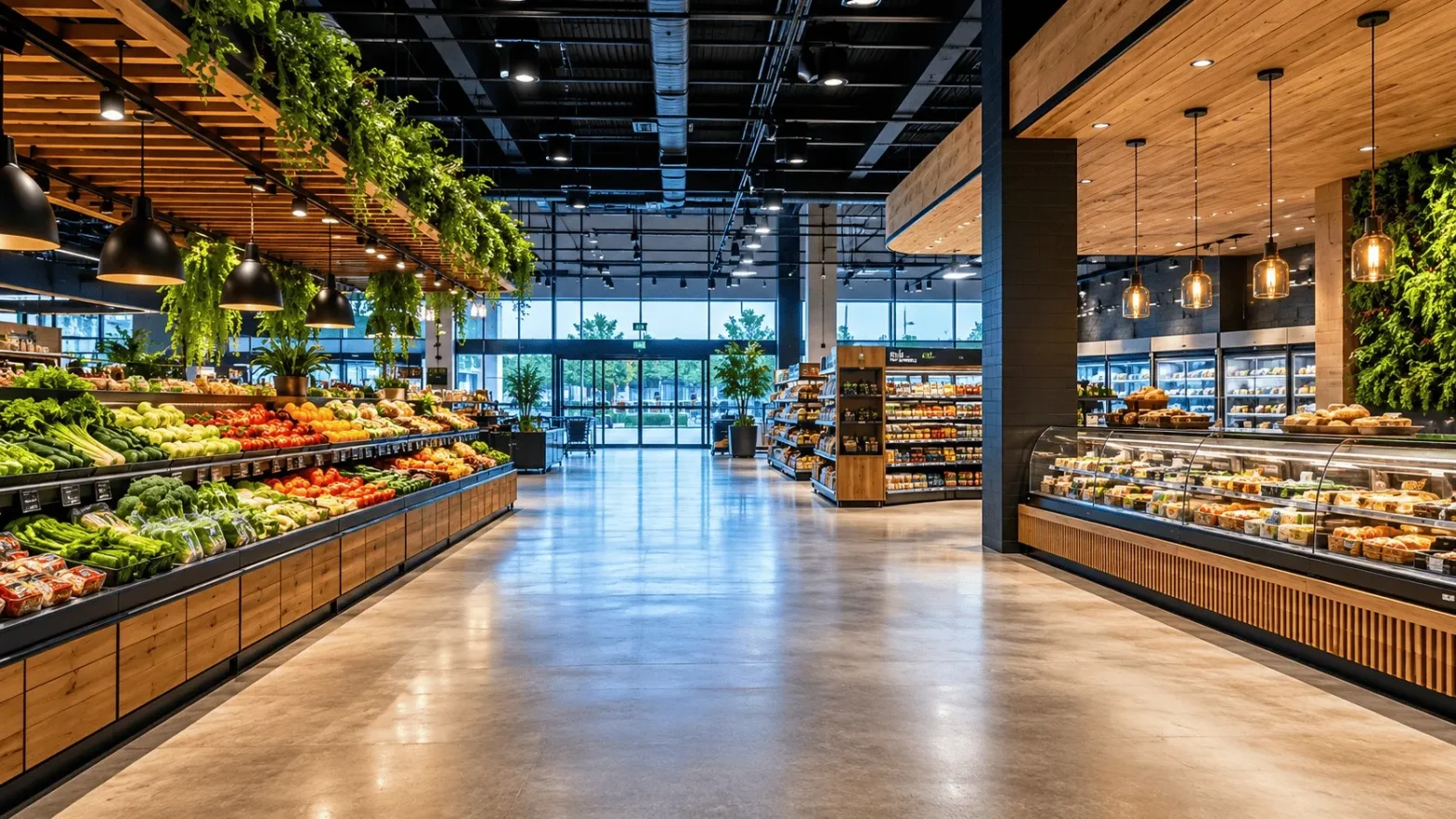
Customer experience has become one of the biggest priorities in modern food retail construction. Retailers now design spaces around customer behaviour, making shopping easier, faster, and more enjoyable. Open layouts, clear product zones, and comfortable walking paths help customers navigate stores without confusion.
Many food retailers are introducing dedicated areas such as fresh food sections, bakery corners, coffee stations, and ready-to-eat meal zones. These features encourage customers to explore more products while creating a welcoming atmosphere.
A skilled retail construction company considers every detail, including lighting, flooring, shelving placement, and customer flow. These elements work together to create a store environment that improves convenience and strengthens brand identity.
How Are Sustainable Materials Influencing Food Retail Construction Designs?
Sustainability has become a major focus across the construction industry, and food retail spaces are no exception. Businesses are choosing environmentally responsible materials, energy-efficient systems, and waste-reduction strategies to create greener stores.
Modern food retail construction incorporates features such as LED lighting, energy-saving refrigeration systems, recycled materials, and efficient ventilation solutions. These improvements help retailers reduce operational costs while supporting environmental goals.
Sustainable design also improves the overall appearance of retail spaces. Natural materials, indoor plants, and eco-friendly finishes create a fresh and inviting atmosphere. As customers become more environmentally conscious, sustainable stores help businesses build stronger connections with their audiences.
What Role Does Technology Play in Modern Food Retail Construction?
Technology is transforming the way food retail spaces operate and interact with customers. Smart technology solutions are now included during the planning stages of many construction projects to improve efficiency and convenience.
Digital ordering stations, self-checkout areas, automated inventory systems, and interactive displays are becoming common features in modern stores. These technologies require careful integration into the building design to ensure smooth operation.
An experienced retail construction company plans spaces that support current technology while allowing future upgrades. Flexible electrical systems, adaptable layouts, and advanced infrastructure help retailers keep pace with technological changes.
Why Are Flexible Store Layouts Important for Food Retailers?
Flexibility is another important trend shaping food retail construction today. Retailers need spaces that can adapt to changing customer demands, seasonal promotions, and new business models.
Traditional fixed layouts are being replaced with adjustable designs that allow businesses to modify product displays, dining areas, and service zones. Flexible spaces also support the growing demand for online ordering, click-and-collect services, and delivery operations.
Retail Construction Contractors focuses on creating practical spaces that support long-term business growth. By designing adaptable stores, retailers can make changes without requiring major renovations in the future.
How Are Food Retail Stores Creating More Community-Focused Spaces?
Food retailers are increasingly designing stores as community destinations rather than simple shopping locations. Customers now expect experiences that combine shopping, dining, and social interaction.
Many modern stores include seating areas, cafes, demonstration kitchens, and community spaces where customers can relax and connect. These features create a stronger emotional connection between brands and shoppers.
Food retail construction projects now require a deeper understanding of customer lifestyles. Designers and builders must consider how people use spaces beyond purchasing products. A well-planned retail environment can increase customer loyalty and encourage repeat visits.
How Is Lighting Design Transforming Food Retail Environments?
Lighting plays a critical role in creating attractive and functional food retail spaces. Modern designs use strategic lighting solutions to highlight products, improve visibility, and influence customer moods.
Fresh food sections often use specialised lighting to make products appear more appealing, while warm lighting can create a comfortable atmosphere in dining areas. Energy-efficient lighting systems also support sustainability objectives.
A professional retail construction company integrates lighting plans early in the construction process to achieve the desired appearance and functionality. Proper lighting design improves the customer experience while enhancing the overall store presentation.
Why Are Premium Finishes Becoming Popular in Food Retail Construction?
Food retailers are investing in high-quality finishes to create premium shopping experiences. Materials such as natural wood, decorative surfaces, modern tiles, and stylish fixtures help stores stand out from competitors.
Customers often associate attractive store environments with product quality and brand reliability. As a result, businesses are using design elements to communicate their values and create memorable experiences.
Retail Construction Contractors helps businesses develop modern retail spaces that balance aesthetics, durability, and practicality. Choosing the right materials ensures that stores maintain their appearance while handling daily customer activity.
How Are Convenience and Speed Influencing Retail Store Designs?
Convenience remains a key factor driving changes in food retail construction. Customers increasingly want faster shopping experiences, which has encouraged retailers to redesign layouts and introduce efficient service options.
Compact store formats, dedicated collection points, and streamlined checkout areas are becoming more popular. These designs help customers save time while allowing retailers to improve operational efficiency.
Construction planning must consider customer movement, staff requirements, and technology integration. A well-designed store creates a smoother experience for both shoppers and employees.
What Future Trends Will Continue Shaping Food Retail Construction?
The future of food retail construction will continue to focus on innovation, sustainability, and customer engagement. Retailers will invest in smarter buildings, flexible spaces, and designs that respond to changing consumer expectations.
Future stores are likely to combine physical shopping with digital experiences, creating seamless connections between online and offline retail. Energy-efficient systems, modular designs, and personalised customer experiences will remain important priorities.
Choosing the right construction partner is essential for achieving these goals. A reliable retail construction company can help businesses create spaces that meet modern standards while supporting future growth.
As the industry continues to change, Retail Construction Contractors delivers solutions that reflect current design trends and the evolving needs of food retailers. By combining creative planning, quality construction, and industry expertise, businesses can develop food retail spaces that attract customers and deliver long-term value.
Conclusion
Design trends are reshaping the future of food retail construction by focusing on customer experience, sustainability, technology, and flexibility. Modern food stores are no longer just places to purchase products; they are becoming engaging environments designed around customer needs.
Working with an experienced retail construction company allows retailers to transform ideas into practical, attractive, and efficient spaces. With innovative designs and thoughtful planning, food retail businesses can create stores that remain successful in an increasingly competitive market.