




September 8, 2026
What Should You Do After Experiencing Flood Damage in Toronto?
Flooding can happen suddenly and leave your home or business with serious water damage. From soaked flooring and damaged drywall to mould growth and structural problems, the effects can become worse if you delay action. Knowing what to do after a flood helps you protect your property, reduce losses, and begin the recovery process safely.
If you have experienced flood damage Toronto, take a calm and organised approach. The right steps can prevent further damage and make restoration more efficient.
Why Should You Act Quickly After Flooding?
Water can spread quickly through floors, walls, furniture, and insulation. Even when the visible water disappears, moisture may remain behind walls or under flooring. This hidden moisture can create ideal conditions for mould and bacteria.
Quick action also helps limit the overall cost of restoration. Start by stopping the source of water if you can do so safely. If a burst pipe caused the problem, turn off the appropriate water supply. For severe flooding, contact qualified professionals rather than entering unsafe areas.
A professional restoration team can assess the property, identify affected areas, remove standing water, and begin drying the structure.
How Can You Protect Your Family and Property?
Safety should always come first after a flood. Avoid entering rooms where electrical outlets, appliances, or wiring may have been exposed to water. Floodwater can also contain contaminants, especially when it comes from outside or a sewage backup.
Keep children and pets away from affected areas. Do not use electrical equipment while standing in or near water.
If you notice structural damage, such as sagging ceilings, cracked walls, or unstable flooring, leave the area and seek professional assistance. You should never take unnecessary risks just to retrieve belongings.
Should You Document the Flood Damage?
Yes. Take photographs and videos of the affected areas before beginning major cleanup, provided you can do so safely. Document damaged walls, floors, ceilings, furniture, appliances, personal belongings, and other property.
Make a written list of damaged items and include details such as approximate age, purchase price, and condition. This information may help when you communicate with your insurance provider.
Avoid throwing away heavily damaged belongings immediately unless they create a health or safety risk. Your insurer may need to inspect certain items before you dispose of them.
When Should You Contact Your Insurance Company?
Contact your insurance company as soon as possible. Explain what happened and ask about your coverage, documentation requirements, deductibles, and next steps.
Your insurer may recommend an adjuster or restoration professional. Keep copies of receipts for emergency services, temporary repairs, cleaning supplies, accommodation, and other eligible expenses.
Do not assume that every type of flooding receives the same insurance coverage. Policies can differ depending on the source of water and the type of protection you purchased.
How Should You Remove Standing Water?
Standing water requires prompt removal because it continues to damage building materials. Water can soak into carpets, wooden floors, drywall, cabinets, and insulation.
For a small amount of clean water in a safe area, homeowners may be able to remove it using appropriate equipment. However, larger floods require professional extraction equipment and controlled drying.
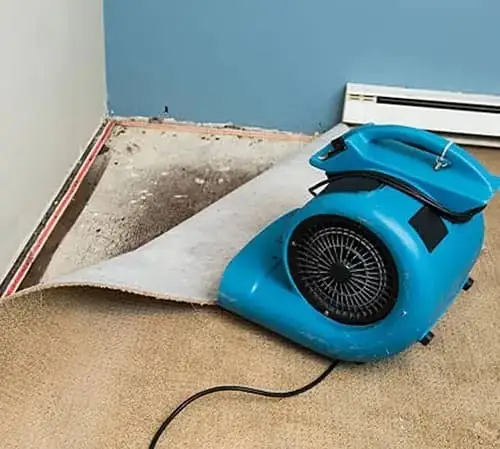
Professionals can use pumps, wet vacuums, air movers, and dehumidifiers to remove moisture more effectively. They can also measure moisture levels to determine whether walls, floors, and other materials have dried properly.
Why Is Professional Drying Important?
Removing visible water does not mean the property is completely dry. Moisture can remain in areas that you cannot easily see.
Professional drying focuses on the entire affected structure. Technicians can inspect walls, flooring, ceilings, cabinets, and other materials for trapped moisture.
This process matters because prolonged dampness can contribute to mould growth, unpleasant odours, material deterioration, and additional repair work. Proper drying helps restore a healthier indoor environment and reduces the risk of recurring problems.
What Should You Do About Mould After a Flood?
Mould can develop when moisture remains in a building for too long. You may notice musty smells, discolouration, or visible growth around damp materials.
Do not simply paint over mould or cover it with another material. The underlying moisture problem must be addressed first.
For extensive mould growth or contamination, hire qualified professionals who can identify the source, contain affected areas, remove contaminated materials where necessary, and clean the property appropriately.
How Can You Prevent Further Damage?
Take reasonable temporary measures while waiting for professional restoration. For example, move undamaged belongings to a dry area if doing so is safe. Remove wet items from affected rooms when possible and place furniture on blocks or another suitable surface if appropriate.
Do not make permanent repairs before documenting the damage and speaking with your insurer unless immediate action is necessary to prevent additional loss.
Temporary protection can help, but it should never replace professional assessment when the damage is extensive.
Can Flood Damage Affect Your Heating and Electrical Systems?
Floodwater can affect electrical systems, heating equipment, appliances, and other mechanical components. Never assume that an appliance is safe simply because it appears dry.
Have qualified professionals inspect systems that came into contact with water. In some cases, equipment may require cleaning, repair, or replacement.
The same principle applies to furnaces, electrical panels, water heaters, and other major systems. Professional inspection can reduce safety risks and help determine the appropriate restoration approach.
What Can Homeowners Learn From Flood Damage Calgary?
The lessons associated with flood damage Calgary can also apply to property owners in Toronto and other Canadian cities. Flood preparedness starts before an emergency occurs.
Keep important documents in protected locations and understand where your main water shut-off valve is located. Consider maintaining an emergency kit with flashlights, batteries, basic tools, and essential supplies.
You can also review your insurance policy before a disaster occurs. Understanding your coverage in advance makes it easier to respond when flooding happens.
How Can Ideal Response Help After a Flood?
A flood can leave you unsure about what to do next. Ideal Response can be part of a structured recovery process by helping property owners address water damage, drying, cleaning, and restoration needs.
Professional restoration focuses on identifying the extent of damage and taking appropriate steps to return the property to a safe and usable condition. Acting early can also help reduce the chance of secondary damage.
When selecting a restoration company, look for experience, clear communication, appropriate equipment, and a process that addresses both visible and hidden moisture.
What Should You Remember After Experiencing Flood Damage?
The most important step after a flood is to act quickly without compromising safety. Protect people first, stop the water source if possible, document the damage, contact your insurer, and arrange a professional assessment when necessary.
Do not ignore damp materials, unpleasant odours, or areas that appear unaffected. Water can travel into hidden spaces and create problems long after the original flood.
Whether you are dealing with flood damage Toronto or preparing for potential flood damage Calgary, a clear response plan can make recovery easier. With prompt action, professional assessment, and proper drying, you can reduce further damage and move toward restoring your property.
Ideal Response can help property owners understand the restoration process and take practical steps toward recovery after unexpected water damage.