



September 8, 2026
What Should You Look for in a Dementia Care Home Builder?
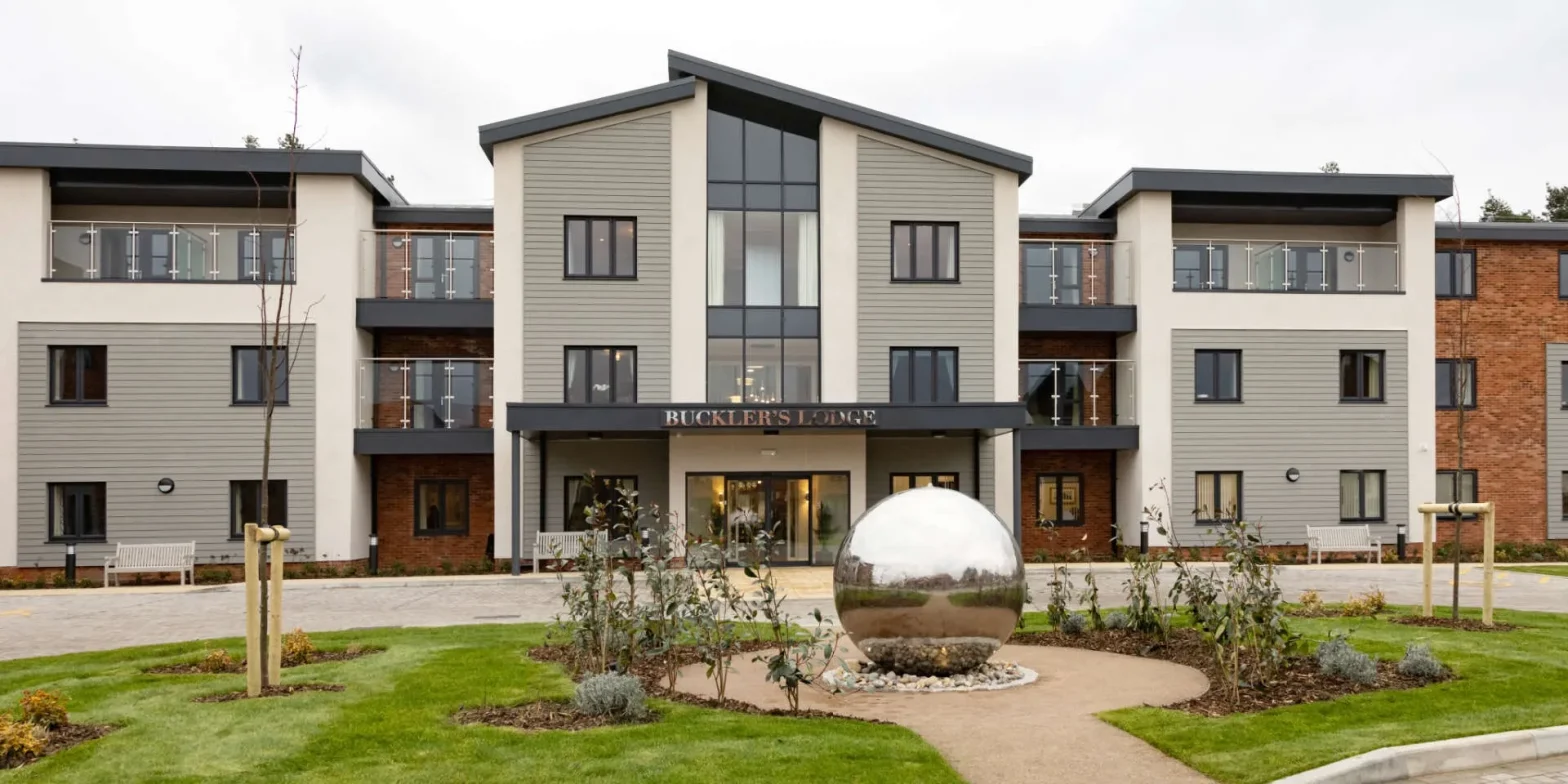
Choosing the right dementia care home builder requires careful planning, specialist knowledge, and a strong understanding of the needs of people living with dementia. A care home should provide more than accommodation. It should create a safe, comfortable, welcoming, and supportive environment where residents can maintain dignity and independence.
The design and construction of a dementia care facility can directly influence residents’ daily experiences. From accessible layouts to natural lighting and secure outdoor areas, every detail matters. Therefore, care providers and investors should work with experienced Care Home Developers who understand both construction requirements and the specific needs of dementia care.
But what qualities should you look for before choosing a builder? Let’s explore the key factors.
Why Is Dementia-Specific Building Experience Important?
Dementia care homes have different requirements from standard residential or commercial buildings. Residents may experience memory loss, confusion, mobility challenges, and difficulty navigating unfamiliar spaces. A suitable building must address these needs through thoughtful design.
An experienced dementia care home builder understands how to create simple layouts, clear circulation routes, comfortable communal areas, and secure environments. They can also consider features such as appropriate flooring, accessible bathrooms, safe entrances, and calming spaces.
Choosing a builder with relevant experience can help reduce design mistakes and create an environment that supports residents and care staff.
How Can a Builder Create a Dementia-Friendly Layout?
A well-planned layout can make a major difference to how easily residents move around a care home. Complicated corridors, confusing entrances, and identical-looking rooms can make navigation difficult.
Experienced Care Home Developers should consider intuitive layouts that allow residents to understand where they are and where they need to go. Designers can use recognizable landmarks, clear pathways, visible communal spaces, and carefully positioned signage.
Bedrooms should provide privacy while remaining accessible to staff. Communal spaces should encourage social interaction without creating unnecessary noise or confusion.
A thoughtful layout can help residents feel more confident within their surroundings.
What Safety Features Should a Dementia Care Home Include?
Safety should remain one of the highest priorities when constructing a dementia care facility. Residents may have difficulty recognizing hazards or remembering safety instructions.
A professional builder should understand how to incorporate practical safety measures into the design. These may include secure access points, suitable handrails, slip-resistant flooring, accessible bathrooms, appropriate lighting, and carefully planned circulation areas.
Fire safety and emergency access also require careful consideration. The builder should coordinate with architects, consultants, and other professionals to ensure that the project meets applicable building and safety requirements.
The goal should be to create a secure environment without making residents feel restricted.
How Important Is Natural Light in Dementia Care Design?
Natural light can make indoor environments feel more comfortable and welcoming. A good dementia care home design should make effective use of windows, skylights, courtyards, and other sources of daylight where practical.
A dementia care home builder should consider how natural light enters bedrooms, communal rooms, dining spaces, and corridors. Good lighting can also help residents identify different areas of the building and support a pleasant daily routine.
At the same time, designers should manage glare and harsh contrasts because these can make movement more difficult for some residents.
Should a Dementia Care Home Have Outdoor Spaces?
Yes, well-designed outdoor spaces can add significant value to a dementia care environment. Gardens, courtyards, seating areas, and walking paths can give residents opportunities to spend time outdoors.
Outdoor areas should balance accessibility, comfort, and security. Smooth walking surfaces, appropriate seating, planting, shade, and clearly defined pathways can make gardens easier to use.
Experienced Care Home Developers can integrate outdoor spaces into the overall design rather than treating them as an afterthought. A garden that residents can access easily from communal areas can encourage activity and social interaction.
How Can the Builder Improve Resident Comfort?
Comfort should influence every stage of care home construction. Bedrooms need appropriate space for furniture and personal belongings, while communal areas should provide enough room for residents and staff to move comfortably.
Acoustics also deserve attention. Excessive background noise can create an uncomfortable environment, particularly for people who have difficulty processing sounds.
A skilled builder should work with the design team to select appropriate materials, finishes, doors, flooring, and insulation. These choices can contribute to a quieter and more comfortable environment.
Temperature control, ventilation, and accessibility should also form part of the planning process.
Does the Builder Understand Accessibility Requirements?
Accessibility should never become an optional feature in dementia care construction. Residents may use walking aids, wheelchairs, or other mobility equipment, so the building must accommodate different levels of physical ability.
A capable dementia care home builder should understand accessible entrances, corridors, bathrooms, bedrooms, communal areas, and outdoor routes. Door widths, circulation spaces, ramps, lifts, and handrails should receive careful attention.
Accessible design benefits care staff as well because it can make everyday tasks such as assisting residents, moving equipment, and responding to emergencies easier.
How Should You Evaluate a Builder’s Previous Projects?
Before selecting a builder, review their previous work. Ask about care homes, assisted living developments, nursing facilities, or other specialist projects they have completed.
Look beyond photographs. Ask how the builder approached planning, accessibility, safety, timelines, budgets, and unexpected construction challenges.
Speaking with previous clients can also provide useful insight into communication, reliability, workmanship, and aftercare.
At Care Home Builders, experience and attention to detail can help create projects that balance practical construction requirements with the needs of residents and care teams.
Can the Builder Manage the Entire Development Process?
Care home projects involve many moving parts. Planning, architectural design, construction, building services, compliance, landscaping, and project management all need coordination.
Working with experienced Care Home Developers can simplify the process because they understand the complexity of specialist care developments. A strong development team should communicate clearly and keep the project organized from initial planning through completion.
Ask potential builders how they manage subcontractors, schedules, budgets, quality control, and project updates. Clear communication can prevent misunderstandings and help keep construction on track.
How Important Are Quality Materials and Finishes?
The materials used in a dementia care home should combine durability, safety, comfort, and easy maintenance. Care facilities experience regular foot traffic and require frequent cleaning, so surfaces must withstand everyday use.
Flooring should provide appropriate slip resistance without creating unnecessary difficulties for residents using mobility aids. Wall finishes should be durable and easy to maintain. Fixtures and fittings should also support accessibility and safe use.
A reputable dementia care home builder can recommend suitable materials based on the building’s purpose, expected usage, and maintenance requirements.
What Should You Ask Before Hiring a Dementia Care Home Builder?
Before signing a contract, prepare a list of important questions. Ask about relevant experience, completed projects, construction timelines, project management, quality standards, and communication processes.
You should also discuss budgets and potential additional costs at an early stage. A transparent builder should explain what the quotation includes and identify areas that could affect the final cost.
Check qualifications, references, insurance, and relevant experience before making your final decision. Taking time to compare builders can help you select a company that matches your project’s requirements.
Why Does the Right Builder Make a Difference?
A dementia care home needs to support people, not simply provide rooms. Good design can promote independence, improve comfort, simplify navigation, and create a safer environment for residents and staff.
The right Care Home Developers will understand that every design decision can influence the everyday experience of residents. They should combine construction expertise with careful planning and attention to the unique requirements of dementia care.
When selecting a dementia care home builder, look for experience, communication, quality workmanship, accessibility knowledge, safety awareness, and a commitment to resident-focused design.
At Care Home Builders, a thoughtful approach to planning and construction can help create care environments that feel secure, comfortable, and welcoming. By choosing an experienced development partner and focusing on residents’ needs from the beginning, you can create a care home designed for long-term functionality, dignity, and quality of life.