



August 8, 2026
When Should You Consider Joint Replacement Treatment at Mundra Hospital?
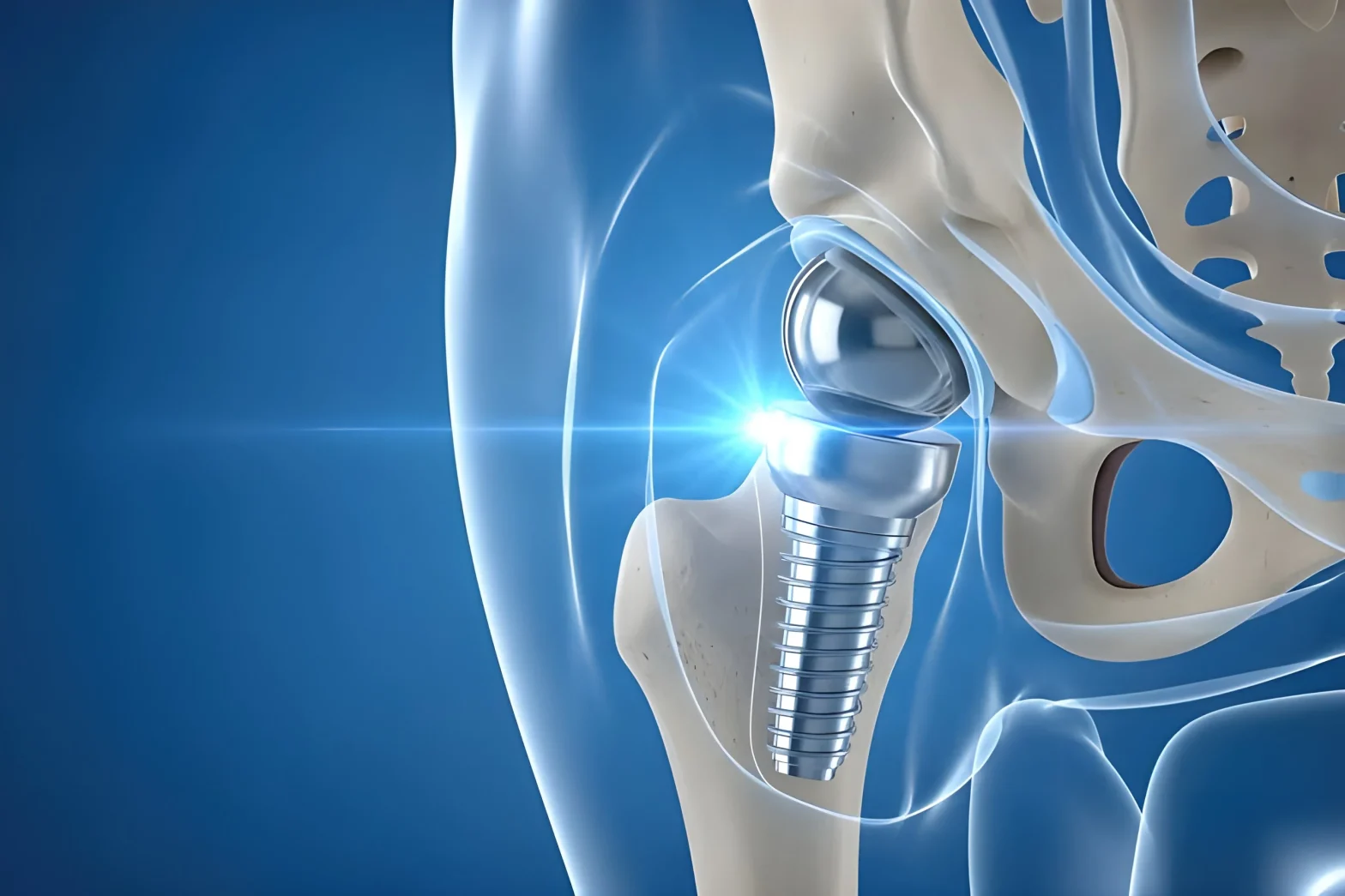
Joint pain can affect simple activities such as walking, climbing stairs, sitting, or getting out of bed. While mild pain may improve with rest, medication, physiotherapy, or lifestyle changes, severe joint damage may require a more effective long-term solution. Joint replacement treatment in Bilaspur can help suitable patients regain mobility and reduce persistent discomfort when other treatments no longer provide sufficient relief.
Doctors generally consider joint replacement when the joint becomes severely damaged and starts affecting a person’s daily life. Conditions such as advanced arthritis, previous joint injuries, or age-related degeneration can damage the cartilage and make normal movement difficult. A qualified orthopaedic specialist can assess the condition and recommend the right treatment based on symptoms, medical history, imaging results, and overall health.
What Symptoms May Indicate That You Need Joint Replacement Treatment?
Persistent joint pain represents one of the most common signs that a person may need further evaluation. However, pain alone does not automatically mean that you need surgery. Doctors usually look at several symptoms before recommending joint replacement.
You may need an orthopaedic evaluation if you experience:
- Persistent pain that continues despite conservative treatment
- Difficulty walking or standing for extended periods
- Stiffness that limits normal movement
- Swelling around the affected joint
- Pain that interferes with sleep
- Difficulty performing everyday activities
- Reduced joint strength or stability
- Limited improvement after medicines or physiotherapy
These symptoms can indicate significant joint deterioration. Early consultation can help your doctor determine whether non-surgical treatment can still manage the condition or whether replacement may provide a better outcome.
How Can Severe Arthritis Lead to Joint Replacement?
Arthritis can gradually damage the protective cartilage between the bones. As cartilage wears away, the bones can begin rubbing against each other. This process can cause pain, inflammation, stiffness, and reduced mobility.
Osteoarthritis commonly affects weight-bearing joints such as the knees and hips. In advanced cases, everyday movement can become increasingly uncomfortable. Patients may begin avoiding physical activities because they expect pain whenever they move.
Doctors usually start with conservative approaches such as medication, physical therapy, weight management, activity modification, or supportive devices. When these methods no longer provide adequate relief and the joint damage becomes severe, replacement surgery may become an option.
When Should You Visit an Orthopaedic Specialist?
You should consider visiting an orthopaedic specialist when joint pain persists or begins to interfere with your routine. Waiting too long can make everyday movement more difficult and may reduce your ability to stay active.
A specialist can perform a physical examination and recommend diagnostic tests, such as X-rays, when necessary. These evaluations help identify the extent of joint damage and determine whether surgery is appropriate.
You should especially seek an evaluation if pain continues for several weeks, becomes progressively worse, or prevents you from performing routine tasks. An early consultation does not necessarily mean you will need surgery. Instead, it gives you an opportunity to understand your condition and explore all suitable treatment options.
Can Non-Surgical Treatments Delay Joint Replacement?
Yes, many patients can manage joint problems without surgery for a significant period. Doctors often recommend non-surgical treatments before considering joint replacement, depending on the severity and cause of the condition.
Common approaches include physiotherapy, prescribed medicines, weight management, exercises, assistive devices, and changes to daily activities. These treatments can improve strength, flexibility, and joint function.
However, severe structural damage may eventually limit the effectiveness of conservative care. If pain remains severe despite appropriate treatment, your doctor may discuss surgical options with you.
How Does Joint Damage Affect Your Daily Activities?
A damaged joint can affect much more than physical comfort. It can change how you work, exercise, travel, and perform household activities. For example, knee arthritis may make stairs difficult, while hip problems can make standing up from a chair challenging.
Some people gradually reduce their activities because they want to avoid pain. Over time, this reduced movement can affect muscle strength and overall physical function.
When joint problems consistently prevent you from doing activities you enjoy or need to perform, it may be time to discuss advanced treatment options with an orthopaedic specialist.
What Happens During an Evaluation for Joint Replacement?
The evaluation begins with a discussion about your symptoms, medical history, lifestyle, and previous treatments. Your doctor will also examine the affected joint to assess movement, strength, swelling, and stability.
Imaging tests can help the specialist understand the condition of the joint. X-rays may show narrowing of the joint space, bone changes, or other signs of degeneration.
The doctor then considers the severity of your symptoms alongside the examination and imaging results. Age alone does not determine whether you qualify for joint replacement. Your overall health, activity level, joint condition, pain severity, and quality of life also matter.
Why Should You Choose an Experienced Hospital for Joint Replacement?
Joint replacement requires careful evaluation, surgical planning, and postoperative care. Choosing an experienced healthcare facility can help ensure that you receive a structured approach throughout your treatment journey.
Patients should look for a hospital that provides access to qualified orthopaedic specialists, diagnostic facilities, surgical care, and rehabilitation support. A coordinated approach can make it easier to understand your treatment options and prepare for recovery.
For people searching for the Best hospital in Mangla Chowk Bilaspur, it is important to consider the hospital’s orthopaedic services, medical expertise, facilities, patient support, and approach to postoperative rehabilitation rather than choosing solely on convenience.
How Can Mundra Hospital Support Your Joint Replacement Journey?
Mundra Hospital focuses on providing patients with access to medical evaluation and appropriate treatment planning. For individuals experiencing persistent joint problems, consultation with an orthopaedic specialist can help identify the underlying cause and determine the most suitable next step.
Mundra Hospital can help patients understand their condition and explore available treatment options based on their individual needs. Patients can discuss their symptoms, previous treatments, lifestyle limitations, and concerns with their healthcare team before making a decision about surgery.
What Benefits Can Successful Joint Replacement Provide?
Joint replacement can offer significant benefits for appropriately selected patients. The main goal is to reduce pain and improve the function of the affected joint.
After successful treatment and rehabilitation, many patients can experience improvements such as:
- Reduced chronic joint pain
- Better mobility
- Improved ability to perform everyday activities
- Greater independence
- Improved sleep when pain previously disrupted rest
- Increased confidence during movement
- Better participation in suitable physical activities
Recovery varies between individuals. Following the surgeon’s instructions, attending rehabilitation sessions, maintaining a healthy lifestyle, and gradually increasing activity can support the recovery process.
How Important Is Rehabilitation After Joint Replacement?
Rehabilitation plays an important role after joint replacement. Surgery addresses the damaged joint, but patients also need to rebuild strength and improve movement through appropriate exercises.
A physiotherapist may recommend exercises that gradually improve flexibility, muscle strength, balance, and functional movement. Patients should follow their prescribed rehabilitation plan rather than increasing activity too quickly.
Consistent rehabilitation can help patients return to everyday activities safely. The recovery timeline varies depending on the joint replaced, surgical technique, overall health, and individual progress.
Is Joint Replacement the Right Choice for Everyone?
No. Joint replacement does not suit every patient with joint pain. Doctors first consider whether other treatments can effectively manage the condition.
The decision depends on factors such as the severity of joint damage, pain level, mobility limitations, response to previous treatment, overall health, and impact on quality of life.
A specialist should make the final recommendation after a complete assessment. Patients should also discuss the potential benefits, risks, recovery process, and expected outcomes before deciding on surgery.
When Should You Take the Next Step for Joint Replacement Treatment in Bilaspur?
If persistent joint pain prevents you from walking comfortably, sleeping properly, working normally, or enjoying everyday activities, consider scheduling an Best hospital in Mangla Chowk Bilaspur consultation. You do not need to wait until the pain becomes unbearable before seeking professional advice.
Early evaluation can help identify the cause of your symptoms and determine whether conservative treatment remains appropriate. If severe joint damage has progressed and other treatments no longer provide adequate relief, your doctor may discuss joint replacement as a possible solution.
Choosing the right healthcare team also matters. With appropriate evaluation, surgical planning, and rehabilitation, joint replacement can help suitable patients move toward a more active and comfortable lifestyle.