

September 26, 2026
When Should You Start Flood Damage Restoration After Water Damage?
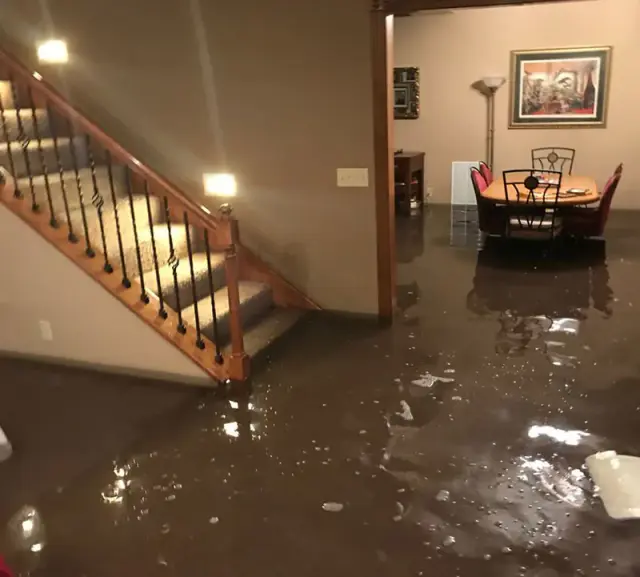
Water damage can quickly become a serious problem for homes and businesses. Whether a property experiences flooding because of heavy rain, a burst pipe, an overflowing appliance, or drainage problems, acting quickly can reduce long-term damage. Many property owners wonder when they should begin Flood Damage Restoration. The simple answer is as soon as it is safe to do so.
Delaying restoration can allow water to spread into walls, flooring, furniture, and other materials. It can also create conditions that encourage mould growth and unpleasant odours. Understanding when to call a professional Flood Damage Restoration Service can help you protect your property and reduce unnecessary repair costs.
Why Should You Start Flood Damage Restoration Immediately?
The first few hours after water enters a property can make a significant difference. Standing water can soak into porous materials such as carpets, wood, drywall, insulation, and upholstery. The longer these materials remain wet, the harder they may become to clean, dry, or restore.
Fast action also helps prevent secondary damage. Water can weaken building materials, damage electrical systems, and affect personal belongings. A professional restoration team can assess the situation, remove standing water, and begin the drying process before the damage becomes more extensive.
What Should You Do During the First Few Hours?
Before starting any cleanup, make safety your priority. Do not enter areas where floodwater may have created electrical hazards or structural instability. If necessary, switch off electricity from a safe location and follow appropriate emergency guidance.
Once the property is safe to enter, remove valuable items from affected areas where possible. Move furniture, documents, electronics, and other belongings to a dry location. However, avoid attempting to handle contaminated floodwater yourself.
Contacting a professional Flood Damage Restoration Service early allows trained specialists to determine the source and extent of the damage. They can then create an appropriate restoration plan.
How Can Quick Water Removal Reduce Property Damage?
Standing water continues to affect a property until someone removes it. Water can seep beneath flooring, behind walls, and into hidden spaces. These areas may remain wet even when the visible surface appears dry.
Professional restoration equipment can speed up water extraction. Restoration specialists may use pumps, wet vacuums, air movers, and dehumidifiers to remove moisture and improve airflow.
At Ideal Response, a structured restoration approach can help address visible water as well as moisture that may remain hidden beneath surfaces. Proper extraction and drying can reduce the risk of further deterioration.
When Can Mould Become a Concern After Flooding?
Mould can become a concern when moisture remains inside a property for an extended period. Warm, damp conditions provide an environment where mould can develop, particularly on materials such as wood, drywall, fabric, and carpet.
This is another reason why you should not wait several days before arranging restoration. Even if the water appears to have disappeared, hidden moisture can remain inside walls, floors, and furnishings.
A professional restoration team can use moisture detection equipment to identify damp areas. Thorough drying can help reduce the conditions that support mould growth.
Should You Wait for Your Insurance Company Before Starting Restoration?
Property owners sometimes hesitate to begin cleanup because they are waiting for an insurance inspection. However, unnecessary delays can allow damage to increase.
Contact your insurance provider as soon as possible and follow its instructions regarding documentation and claims. At the same time, take reasonable steps to prevent further damage when it is safe to do so.
Photograph or record affected areas before moving items or beginning cleanup whenever possible. Keep receipts and records related to emergency services and restoration work. These documents may help support your insurance claim, depending on your policy.
What Areas Need Professional Flood Damage Restoration?
Flooding can affect much more than the area where water is visibly standing. Water may travel through floors, walls, ceilings, and building cavities. Professional restoration may therefore involve several areas of a property.
Commonly affected areas include:
- Carpets and rugs
- Hardwood and laminate flooring
- Drywall and plaster
- Insulation
- Wooden furniture
- Cabinets and fixtures
- Electrical components
- Upholstery
- Basements and crawl spaces
A professional assessment can help identify areas that require drying, cleaning, repair, or replacement.
Why Is Professional Restoration Better Than Waiting?
Attempting to manage serious flood damage without professional assistance can leave hidden moisture untreated. Household fans or basic cleaning equipment may not provide enough drying power for extensive water damage.
Professional technicians have access to specialised equipment and established restoration procedures. They can assess moisture levels, extract water, dry affected materials, clean damaged areas, and identify items that may require additional treatment.
Professional Flood Damage Restoration also helps property owners approach the recovery process systematically rather than dealing with each problem separately.
How Long Should Flood Damage Restoration Take?
The restoration timeline depends on several factors, including the amount of water, the affected materials, the size of the property, and the source of the flooding. A minor water incident may require only a short drying period, while extensive flooding can require a longer restoration process.
The restoration process may include water extraction, moisture assessment, structural drying, cleaning, sanitisation, repairs, and final inspections.
Rather than focusing only on how quickly the visible water disappears, restoration professionals focus on achieving appropriate drying and reducing the risk of future problems.
What Should You Avoid After Water Damage?
Certain actions can make a difficult situation worse. Avoid using electrical appliances in wet areas, walking through potentially contaminated water, or attempting to remove heavily damaged materials without appropriate precautions.
You should also avoid covering damp areas with paint, flooring, or other materials before they have dried properly. Trapping moisture can contribute to further deterioration.
Instead, arrange a professional assessment and follow the recommended restoration process.
Why Should You Choose a Professional Restoration Team?
Flood damage can affect the appearance, safety, and functionality of a property. A professional restoration team can help you respond quickly and identify problems that may not be visible.
When selecting a Flood Damage Restoration Service, consider the provider’s experience, response time, equipment, restoration process, and communication. A reliable team should explain the work clearly and help you understand what needs immediate attention.
Ideal Response understands that early action can make the restoration process more manageable. Professional assistance can help property owners move from emergency water removal toward proper drying, cleaning, and repairs.
What Is the Best Time to Start Flood Damage Restoration?
The best time to start is as soon as the property is safe and the immediate emergency has been controlled. Waiting for visible damage to worsen can increase restoration requirements and potentially create additional problems.
If your property has experienced flooding, arrange an assessment promptly. Early water extraction, drying, cleaning, and moisture control can help protect the building and its contents.
By responding quickly and working with an experienced Flood Damage Restoration Service, you can take practical steps toward restoring your property and preventing avoidable secondary damage. Ideal Response can support property owners through the restoration process with a structured approach focused on getting affected spaces dry, clean, and ready for repair.