



July 24, 2026
Why Are Aluminium Products Essential for High-Performance Engineering?
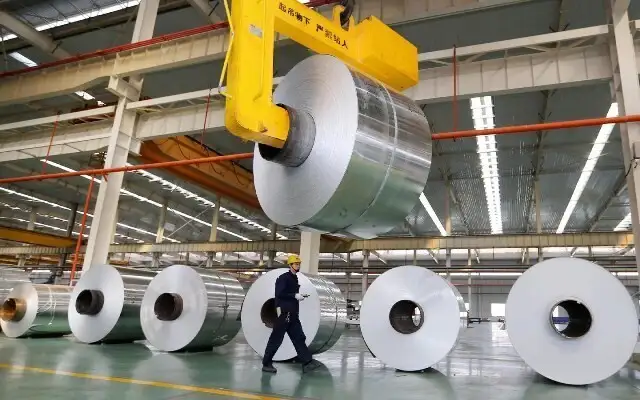
High-performance engineering demands materials that combine strength, durability, corrosion resistance, and lightweight properties. Aluminium has become one of the most trusted materials across industries because it delivers outstanding performance without adding unnecessary weight. Whether used in aerospace, automotive manufacturing, marine construction, electronics, or industrial machinery, aluminium helps engineers build reliable and efficient products.
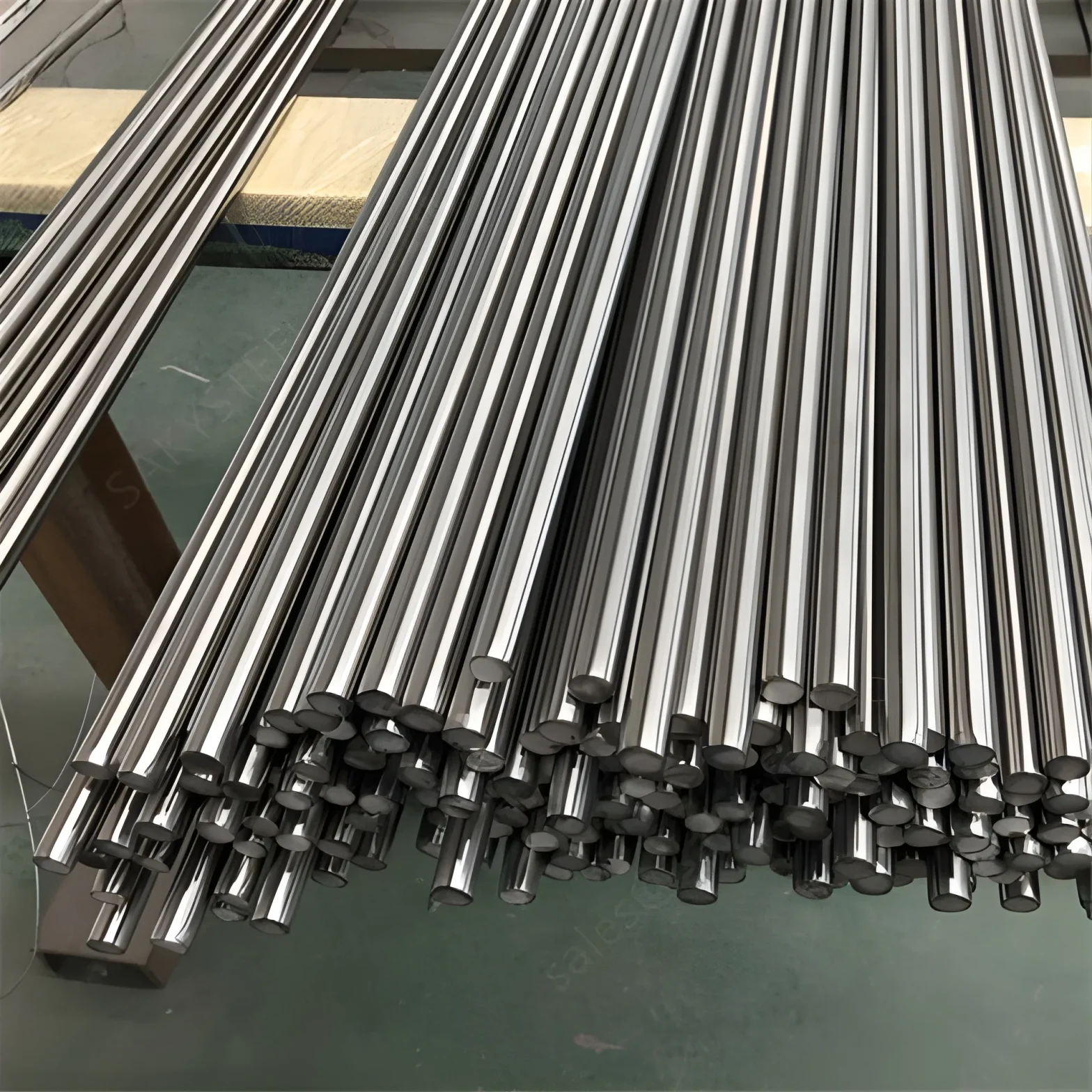
Businesses searching for a dependable Aluminium Supplier Singapore understand that material quality directly affects project success. From structural components to precision-engineered parts, aluminium offers the flexibility manufacturers need while maintaining excellent mechanical properties. At the same time, many engineering companies also work with a trusted Stainless Steel Supplier Singapore to meet applications requiring superior strength and wear resistance.
Companies such as Kian Huat Metal Pte Ltd provide a wide range of quality metal products that support modern engineering projects with reliable material solutions.
What Makes Aluminium Ideal for High-Performance Engineering?
Aluminium offers a unique combination of properties that few materials can match. It provides high strength while remaining significantly lighter than steel, making it an excellent choice for engineering applications where weight reduction improves overall performance.
Some of its most valuable advantages include:
- Lightweight construction
- Excellent corrosion resistance
- High strength-to-weight ratio
- Outstanding thermal conductivity
- Good electrical conductivity
- Easy fabrication and machining
- Excellent recyclability
- Long service life
These characteristics help manufacturers produce efficient, durable, and cost-effective engineering components.
How Does Aluminium Improve Structural Performance?
One of aluminium’s biggest advantages is its impressive strength-to-weight ratio. Engineers can design structures that remain strong while significantly reducing overall weight.
Lighter structures offer numerous benefits:
- Lower transportation costs
- Reduced energy consumption
- Improved operational efficiency
- Easier installation
- Better load management
- Increased fuel efficiency
For industries such as aerospace and automotive manufacturing, every kilogram saved contributes to better performance and lower operating costs.
A reliable Aluminium Supplier Singapore supplies various grades suitable for structural applications where precision and durability are essential.
Why Is Corrosion Resistance So Important?
Engineering components often operate in harsh environments where exposure to moisture, chemicals, and changing weather conditions can cause material degradation.
Aluminium naturally forms a protective oxide layer that shields it from corrosion. This natural protection reduces maintenance requirements while extending product lifespan.
Industries benefiting from aluminium’s corrosion resistance include:
- Marine engineering
- Offshore platforms
- Construction
- Transportation
- Renewable energy
- Food processing
- Chemical manufacturing
Unlike many materials that require constant protective coatings, aluminium maintains its appearance and structural integrity for years.
How Does Aluminium Enhance Manufacturing Efficiency?
Manufacturers appreciate aluminium because it is easy to fabricate using various production methods.
Common fabrication processes include:
- Cutting
- Welding
- Bending
- Extrusion
- Machining
- Rolling
- Stamping
- Casting
Its excellent machinability allows manufacturers to produce highly accurate components with minimal waste, reducing production costs and improving turnaround times.
This versatility makes aluminium suitable for both simple components and highly complex engineering designs.
Why Is Thermal Conductivity Important in Engineering?
Many engineering applications require materials that efficiently transfer heat.
Aluminium performs exceptionally well in heat management, making it suitable for products such as:
- Heat exchangers
- Cooling systems
- Electronic enclosures
- Radiators
- Air conditioning equipment
- Battery cooling systems
Efficient heat dissipation helps protect equipment from overheating while improving overall system reliability.
How Does Aluminium Support Sustainable Engineering?
Modern engineering increasingly focuses on environmental responsibility. Aluminium supports sustainable manufacturing because it is one of the world’s most recyclable metals.
Recycling aluminium requires significantly less energy than producing primary aluminium while maintaining the same quality and performance.
Environmental advantages include:
- Reduced carbon emissions
- Lower energy consumption
- Less industrial waste
- Conservation of natural resources
- Long product life cycles
- Improved sustainability ratings
Many companies choose aluminium because it supports green manufacturing initiatives without sacrificing engineering performance.
Why Do Engineers Combine Aluminium with Stainless Steel?
Although aluminium offers numerous advantages, certain engineering applications require additional hardness or wear resistance.
This is why many projects source materials from both an Aluminium Supplier Singapore and a Stainless Steel Supplier Singapore.
Typical material selection includes:
Aluminium
- Lightweight frameworks
- Aerospace parts
- Electrical enclosures
- Vehicle components
- Marine structures
Stainless Steel
- High-pressure systems
- Industrial equipment
- Food processing machinery
- Medical devices
- Heavy-duty structural applications
Using both materials allows engineers to optimise performance while meeting specific project requirements.
Which Industries Depend on Aluminium Products?
Today, aluminium serves almost every major engineering sector.
Aerospace
Aircraft manufacturers use aluminium because its lightweight properties improve fuel efficiency while maintaining structural strength.
Automotive
Modern vehicles use aluminium for engine components, body panels, wheels, and chassis parts to reduce vehicle weight and improve fuel economy.
Marine
Boats, ships, docks, and offshore structures benefit from aluminium’s excellent corrosion resistance in saltwater environments.
Construction
Architects and engineers use aluminium for windows, curtain walls, roofing systems, structural frames, and decorative elements.
Electronics
Aluminium helps manufacture heat sinks, electronic casings, connectors, and cooling systems that improve equipment reliability.
Renewable Energy
Solar panel frames, wind turbine components, and energy storage systems frequently use aluminium because of its durability and lightweight properties.
What Should You Consider When Choosing an Aluminium Supplier?
Material quality directly affects engineering performance. Selecting an experienced supplier helps ensure consistent product quality and reliable service.
Important factors include:
- Wide product availability
- Certified material quality
- Consistent stock levels
- Technical expertise
- Competitive pricing
- Reliable delivery schedules
- Custom processing capabilities
- Strong customer support
Working with an established supplier reduces project delays while ensuring materials meet engineering specifications.
Kian Huat Metal Pte Ltd offers an extensive inventory of aluminium products suitable for industrial, commercial, and engineering applications, helping businesses source quality materials with confidence.
How Does Aluminium Reduce Long-Term Costs?
Although initial material selection is important, long-term operational savings often determine the true value of an engineering material.
Aluminium helps reduce lifetime costs through:
- Lower maintenance expenses
- Improved corrosion resistance
- Reduced fuel consumption
- Longer service life
- Lower transportation costs
- Easier installation
- Better energy efficiency
- High recycling value
These benefits make aluminium an economical choice for projects requiring dependable long-term performance.
Why Will Aluminium Continue to Shape Future Engineering?
Engineering continues to evolve with increasing demands for lighter, stronger, and more sustainable materials. Aluminium remains at the forefront of this transformation because it supports innovation across multiple industries.
Advancements in aluminium alloys continue to improve strength, durability, and manufacturing flexibility. Combined with modern production technologies, aluminium enables engineers to design products that are safer, more efficient, and environmentally responsible.
Whether developing electric vehicles, renewable energy systems, smart buildings, or advanced industrial equipment, businesses rely on a trusted Aluminium Supplier Singapore to provide high-quality materials that meet demanding engineering standards. Many projects also benefit from partnering with a reliable Stainless Steel Supplier Singapore for applications requiring enhanced strength and corrosion resistance.
Conclusion
Aluminium has become an essential material for high-performance engineering because it offers an exceptional balance of lightweight construction, strength, corrosion resistance, thermal performance, and sustainability. Its versatility allows engineers to create innovative solutions across aerospace, automotive, marine, construction, electronics, and renewable energy industries.
By sourcing premium materials from experienced suppliers such as Kian Huat Metal Pte Ltd, businesses can improve manufacturing efficiency, product reliability, and long-term project performance. As engineering continues to advance, aluminium will remain one of the most valuable materials for building the next generation of high-quality, high-performance products.