




August 26, 2026
Why Is Cold Air Not Reaching the Refrigerator Compartment?
When a refrigerator freezer works normally but the refrigerator compartment stays warm, the problem often comes from restricted airflow. Modern refrigerators usually create cold air in the freezer and move it into the refrigerator section through vents. If something blocks this airflow, the freezer may remain cold while the refrigerator struggles to maintain a safe temperature.
This situation is commonly described as “fridge not cooling but freezer works.” Fortunately, several causes are easy to identify. Blocked vents, ice buildup, a faulty evaporator fan, dirty condenser coils, incorrect temperature settings, and damaged door seals can all affect cooling performance.
Understanding these causes can help you decide whether you can solve the issue yourself or need professional assistance.
Could Blocked Air Vents Stop Cold Air From Reaching the Fridge?
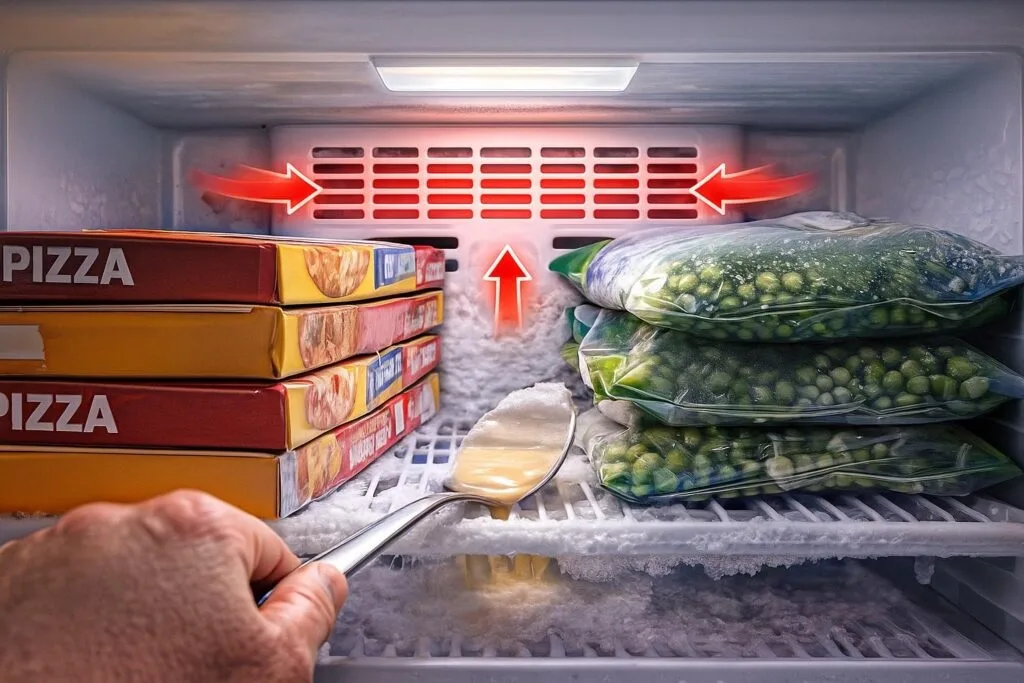
Blocked air vents are one of the simplest reasons for poor refrigerator cooling. The freezer produces cold air, but the refrigerator compartment depends on that air traveling through dedicated vents.
Food containers can accidentally cover these openings. Large packages may sit directly against the rear wall and restrict circulation. When air cannot move freely, some areas remain warm even though the freezer continues to freeze food.
Check the vents inside both compartments. Move containers away from the openings and avoid overpacking the refrigerator. Leave enough space around the vents for cold air to circulate.
Good organization does more than improve storage. It also helps your refrigerator maintain a consistent temperature.
Can Ice Buildup Block the Airflow?
Excessive ice buildup can prevent cold air from moving from the freezer into the refrigerator compartment. A layer of frost may form around the evaporator coil or inside the air passage.
Several components work together to remove frost automatically. These include the defrost heater, defrost thermostat, and electronic control system. If one of these components fails, ice can gradually cover the evaporator coil.
You may notice unusual frost inside the freezer or weak airflow from the refrigerator vents. In this situation, simply adjusting the temperature will not solve the underlying problem.
Unplug the refrigerator and allow significant ice buildup to melt safely if your appliance instructions permit it. Never use a sharp object to remove ice because you could damage the cooling system.
If frost returns quickly, arrange a professional inspection.
Could the Evaporator Fan Be the Problem?
The evaporator fan helps circulate cold air through the refrigerator. If this fan stops working, the freezer can remain relatively cold while the refrigerator compartment becomes warm.
Listen for the fan when the refrigerator operates. A quiet fan does not always mean failure because some models cycle the fan on and off. However, unusual clicking, grinding, buzzing, or complete silence may indicate a problem.
A damaged fan motor, blocked fan blade, or electrical fault can reduce airflow. Because accessing the fan often requires removing internal components, a qualified technician should handle complicated repairs.
Can Dirty Condenser Coils Affect Refrigerator Cooling?
Condenser coils release heat from the refrigerator. When dust and debris accumulate on these coils, the appliance may struggle to remove heat efficiently.
A refrigerator with dirty coils may run for long periods without maintaining the correct temperature. The compressor can also work harder, which may increase energy consumption.
If your refrigerator design allows safe access to the condenser coils, unplug the appliance before cleaning them. Use a suitable refrigerator-coil brush or vacuum attachment to remove dust carefully.
Check your owner’s manual before cleaning because coil locations vary between models.
Could the Temperature Settings Be Incorrect?
Sometimes the refrigerator does not have a mechanical problem at all. Someone may have accidentally changed the temperature setting, or the appliance may have been adjusted after adding a large amount of food.
A refrigerator compartment generally needs to stay colder than 40°F (4°C) to keep perishable food at a safer temperature. Follow the temperature recommendations in your refrigerator’s manual and use an appliance thermometer if you want to verify the actual temperature.
Avoid setting the refrigerator extremely cold to compensate for poor airflow. If the temperature remains high despite correct settings, investigate the airflow and cooling system instead.
Can a Damaged Door Seal Cause Warm Air Problems?
The refrigerator door gasket creates a seal that keeps cold air inside. A cracked, loose, dirty, or damaged gasket can allow warm air to enter continuously.
Inspect the gasket around the entire door. Look for tears, gaps, hardened sections, or areas that no longer sit firmly against the cabinet.
Clean dirt from the gasket using a mild cleaning solution and a soft cloth. Also make sure shelves and containers do not prevent the door from closing completely.
If the gasket has physical damage, replacing it may restore proper sealing and improve cooling efficiency.
How Does the Water Filter Relate to Refrigerator Performance?
A refrigerator water filter mainly affects the water and ice dispensing system, but filter maintenance remains important for overall appliance care. A clogged filter can reduce water flow and affect ice production in compatible models.
If you are searching for “how to change fridge water filter,” start by checking your refrigerator’s model-specific instructions. Filter designs vary. Some filters twist into place, while others slide into a housing or use a push-button release.
Before replacing the filter, confirm that you have the correct model-compatible replacement. Turn off the water supply if your appliance instructions require it, remove the old filter, install the new one securely, and flush the recommended amount of water through the system.
After installation, reset the filter indicator if your refrigerator includes one. Always follow the manufacturer’s instructions because replacement procedures differ between appliances.
Could the Refrigerator Be Overloaded?
An overcrowded refrigerator can restrict airflow and create uneven temperatures. Cold air needs room to move around shelves and containers.
Avoid placing hot food directly in the refrigerator. Allow freshly cooked food to cool according to safe food-handling practices before storing it, and divide large amounts into smaller containers when appropriate.
Keep frequently used items organized so you do not leave the door open for long periods. Better organization supports consistent airflow and reduces unnecessary temperature fluctuations.
When Should You Call a Refrigerator Technician?
You can safely check several basic issues, such as blocked vents, temperature settings, door seals, and visible frost. However, some problems require technical knowledge and specialized tools.
Contact a qualified technician if the compressor does not operate, the evaporator fan appears faulty, frost repeatedly returns, electrical components fail, or the refrigerator continues to stay warm after basic troubleshooting.
Do not attempt to repair sealed refrigeration components yourself. Refrigerant systems require appropriate equipment and trained handling.
How Can You Prevent Refrigerator Cooling Problems?
Regular maintenance can reduce the risk of cooling problems. Keep air vents clear, clean accessible condenser coils periodically, inspect door seals, avoid overloading shelves, and maintain appropriate temperature settings.
Replace the water filter according to the manufacturer’s recommended schedule. Also pay attention to unusual noises, excessive frost, or changes in cooling performance. Early attention can prevent a small issue from becoming a more expensive repair.
For homeowners who want straightforward appliance-care guidance, Fridge Mentor can also serve as a useful reference when learning about refrigerator maintenance and troubleshooting.
What Should You Remember About a Fridge That Is Not Cooling?
When you experience “fridge not cooling but freezer works,” start with the simplest possibilities. Check the temperature settings, clear blocked vents, inspect the door gasket, and look for excessive frost. Then consider the evaporator fan, condenser coils, and defrost system.
A refrigerator works as a connected system, so one airflow problem can affect the entire fresh-food compartment even when the freezer appears normal.
Regular maintenance makes problems easier to identify and can help your appliance operate efficiently. If basic checks do not restore cooling, professional diagnosis is the safest choice. With proper care and timely repairs, Fridge Mentor can help homeowners better understand their refrigerator and keep everyday cooling performance reliable.