

September 30, 2026
How Does Red Light Therapy Work for Collagen Production?
Red light therapy has become a popular non-invasive approach for supporting healthier-looking skin and promoting collagen production. Many people use red and near-infrared light as part of a skincare and wellness routine because the treatment does not require needles, harsh chemicals, or significant downtime. But how does red light therapy work when it comes to collagen?
Red light therapy exposes the skin to specific wavelengths of low-intensity light. These wavelengths can interact with cells and may support cellular energy production. Over time, this process may encourage skin cells to perform important functions involved in repair, elasticity, and collagen formation. Understanding the science behind this process can help you decide how red light therapy may fit into your wellness routine.
What Is Red Light Therapy?
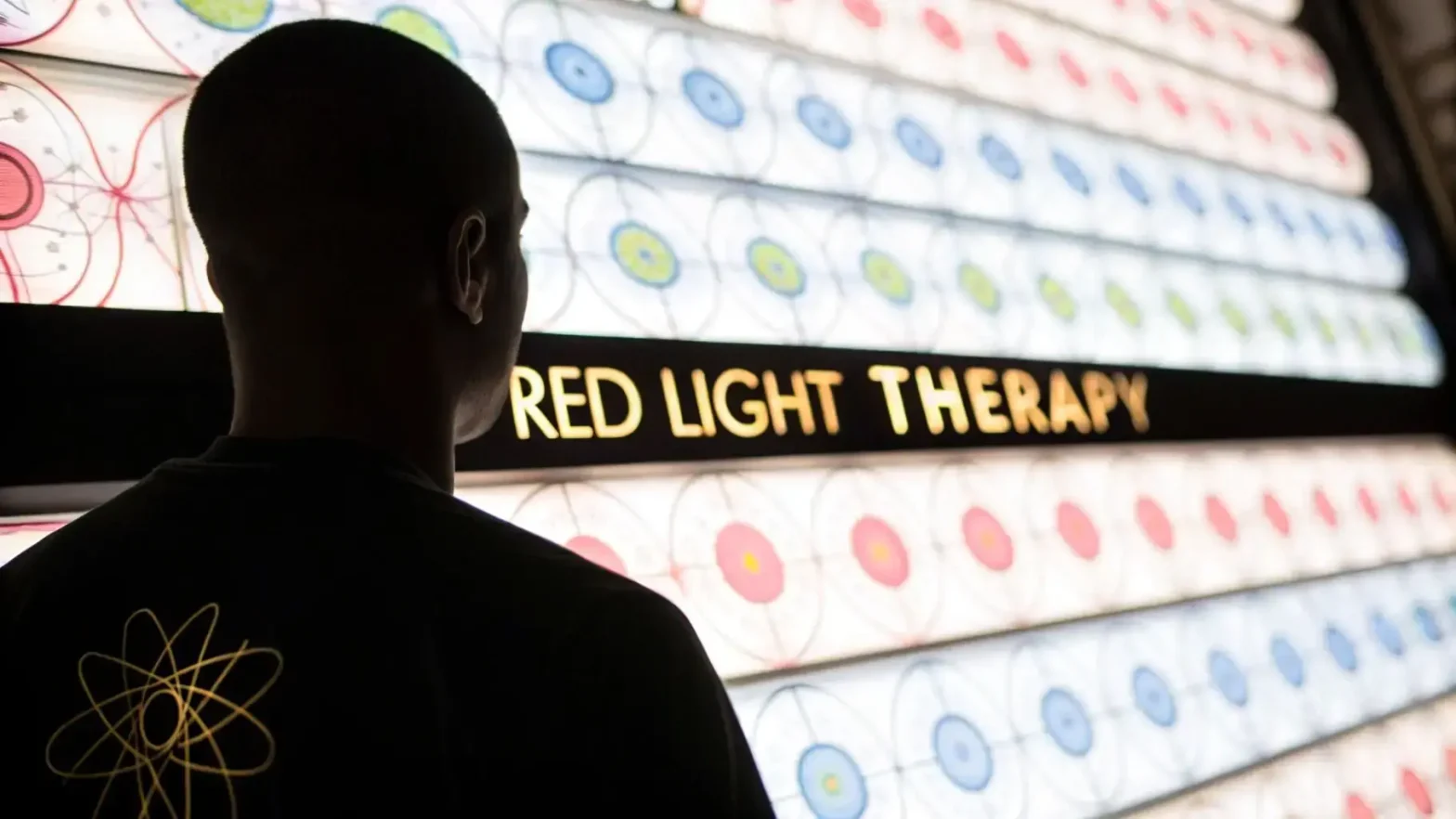
Red light therapy, also called photobiomodulation, uses specific wavelengths of red or near-infrared light to interact with biological tissues. Unlike ultraviolet light, which can damage skin cells, red light therapy uses non-ionizing light at controlled intensities.
Red light generally targets more superficial tissues, while near-infrared wavelengths can penetrate deeper. The treatment aims to influence cellular activity rather than heat or damage the skin.
People commonly explore red light therapy for several cosmetic and wellness goals, including supporting skin appearance, reducing the visible signs of aging, and promoting a more even-looking complexion.
How Does Red Light Therapy Work Inside Skin Cells?
To understand how does red light therapy work, it helps to look at the mitochondria, which produce energy inside cells. Red and near-infrared wavelengths can interact with components involved in cellular energy production.
This interaction may support the production of adenosine triphosphate, or ATP. Cells use ATP as an energy source for many biological processes. When cells have the energy needed to perform their functions, they can support processes associated with tissue maintenance and repair.
Researchers have studied photobiomodulation for its potential effects on cellular signaling, inflammation, blood flow, and tissue repair. The exact biological response can depend on factors such as wavelength, intensity, treatment duration, and individual characteristics.
Why Is Collagen Important for Healthy-Looking Skin?
Collagen is one of the main structural proteins found in the skin. It helps provide firmness, strength, and structural support. As people age, natural collagen production generally decreases, while environmental factors can also affect the skin’s appearance.
Lower collagen levels can contribute to visible changes such as fine lines, reduced firmness, and changes in skin texture. Supporting the body’s natural collagen processes therefore plays an important role in many skincare routines.
Red light therapy does not replace the body’s natural biology. Instead, research suggests that photobiomodulation may influence cellular pathways associated with collagen production and tissue repair.
Can Red Light Therapy Encourage Collagen Production?
Studies have investigated whether red and near-infrared light can stimulate fibroblast activity. Fibroblasts are important cells in connective tissue because they help produce collagen and other components of the extracellular matrix.
When light influences cellular signaling, it may encourage processes involved in collagen synthesis. Some clinical research has reported improvements in skin appearance following repeated light-based treatments.
However, results can vary. A person’s age, skin condition, treatment protocol, device quality, wavelength, and consistency can all affect outcomes. Red light therapy should therefore be viewed as a supportive treatment rather than a guaranteed way to increase collagen.
How Long Does It Take to See Results?
Collagen production is a gradual biological process, so red light therapy usually does not create instant structural changes. Some people may notice temporary improvements in skin appearance, while changes associated with collagen remodeling generally require repeated treatments over time.
Consistency matters because cellular and tissue responses develop gradually. Following the manufacturer’s instructions for treatment duration and frequency can help you use a device appropriately.
It is also important to avoid assuming that longer or more frequent sessions will automatically produce better results. Light therapy follows specific parameters, and excessive exposure may not provide additional benefits.
What Factors Affect Red Light Therapy Results?
Several factors can influence the effectiveness of red light therapy. Wavelength is particularly important because different wavelengths interact with tissue differently. Light intensity, distance from the device, exposure time, and treatment frequency also matter.
The condition of the skin can influence visible results as well. A comprehensive skincare routine that includes sun protection, adequate hydration, balanced nutrition, and appropriate topical products can complement a wellness-focused approach.
Device quality also matters. Consumers should check whether a device provides clear information about its wavelengths, output, recommended exposure, and safety instructions.
Is Red Light Therapy Safe for Most People?
Red light therapy is generally considered non-invasive and is often well tolerated when used according to manufacturer directions. It does not expose the skin to ultraviolet radiation.
However, people should still use appropriate precautions. Certain medications or medical conditions may increase sensitivity to light. Anyone with a specific medical concern, eye condition, photosensitivity, or treatment involving photosensitizing medication should consult a qualified healthcare professional before using light therapy.
Protective eyewear may also be appropriate depending on the device and its instructions.
How Does Red Light Therapy Compare With Other Collagen Treatments?
Red light therapy differs from procedures such as laser resurfacing, microneedling, and injectable treatments. It generally does not intentionally create controlled skin injury in the same way some procedures do.
This makes it appealing to people looking for a non-invasive option. However, different treatments work through different mechanisms and can produce different outcomes. A dermatologist or qualified healthcare professional can help determine which approach is appropriate for an individual’s skin goals.
Can Wellness Technology Support a Broader Recovery Routine?
Red light therapy often appears alongside other wellness technologies designed to support relaxation, recovery, and overall well-being. Life Force Med Beds represents a wellness-oriented approach in which technology can become part of a broader personal routine.
People exploring wellness equipment should focus on clear specifications, responsible use, realistic expectations, and evidence for the specific purpose they have in mind. Marketing claims can sometimes go beyond what research has established, so checking credible information remains important.
Interestingly, individuals researching hyperbaric technician training may also encounter discussions about different technologies used in wellness and clinical environments. Hyperbaric oxygen therapy and red light therapy are distinct approaches, however, and they should not be treated as interchangeable treatments. Hyperbaric technician training relates specifically to the operation and safety procedures associated with hyperbaric systems.
How Can You Use Red Light Therapy Responsibly?
Start by selecting a device with clearly stated specifications and safety instructions. Follow the recommended distance and exposure time instead of assuming that more light will produce faster results.
Consistency is also more useful than excessive sessions. Keep expectations realistic and evaluate changes over time rather than expecting immediate collagen production.
For people with medical conditions or concerns about skin changes, professional guidance can provide additional context before beginning treatment.
What Should You Remember About Red Light Therapy and Collagen?
So, how does red light therapy work for collagen production? Red and near-infrared light may interact with cellular processes and signaling pathways that support tissue maintenance and potentially collagen-related activity. Research continues to examine exactly how these mechanisms translate into visible skin improvements.
Red light therapy can be considered one component of a broader skincare and wellness routine. Life Force Med Beds can be part of conversations about wellness technology, but consumers should evaluate every device based on its intended use, specifications, safety guidance, and available evidence.
With consistent use and realistic expectations, red light therapy may offer a non-invasive option for people interested in supporting healthier-looking skin and the body’s natural regenerative processes.